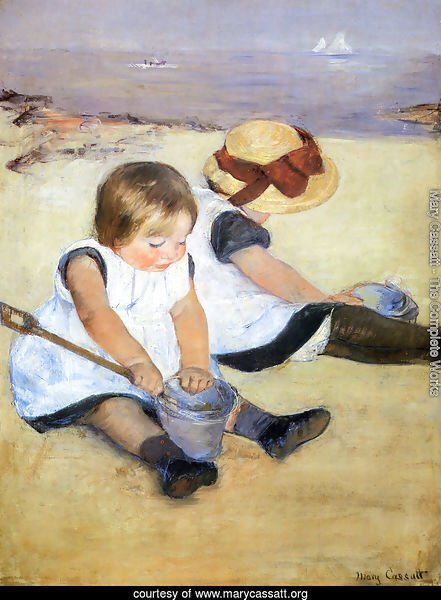
Children Playing on the Beach, 1884 by Mary Cassatt.
Mary Cassatt is well known for her paintings of children where she presents the children naturally as opposed to being idealized or as mini adults.
Children Playing on the Beach, 1884 by Mary Cassatt.
Mary Cassatt is well known for her paintings of children where she presents the children naturally as opposed to being idealized or as mini adults.
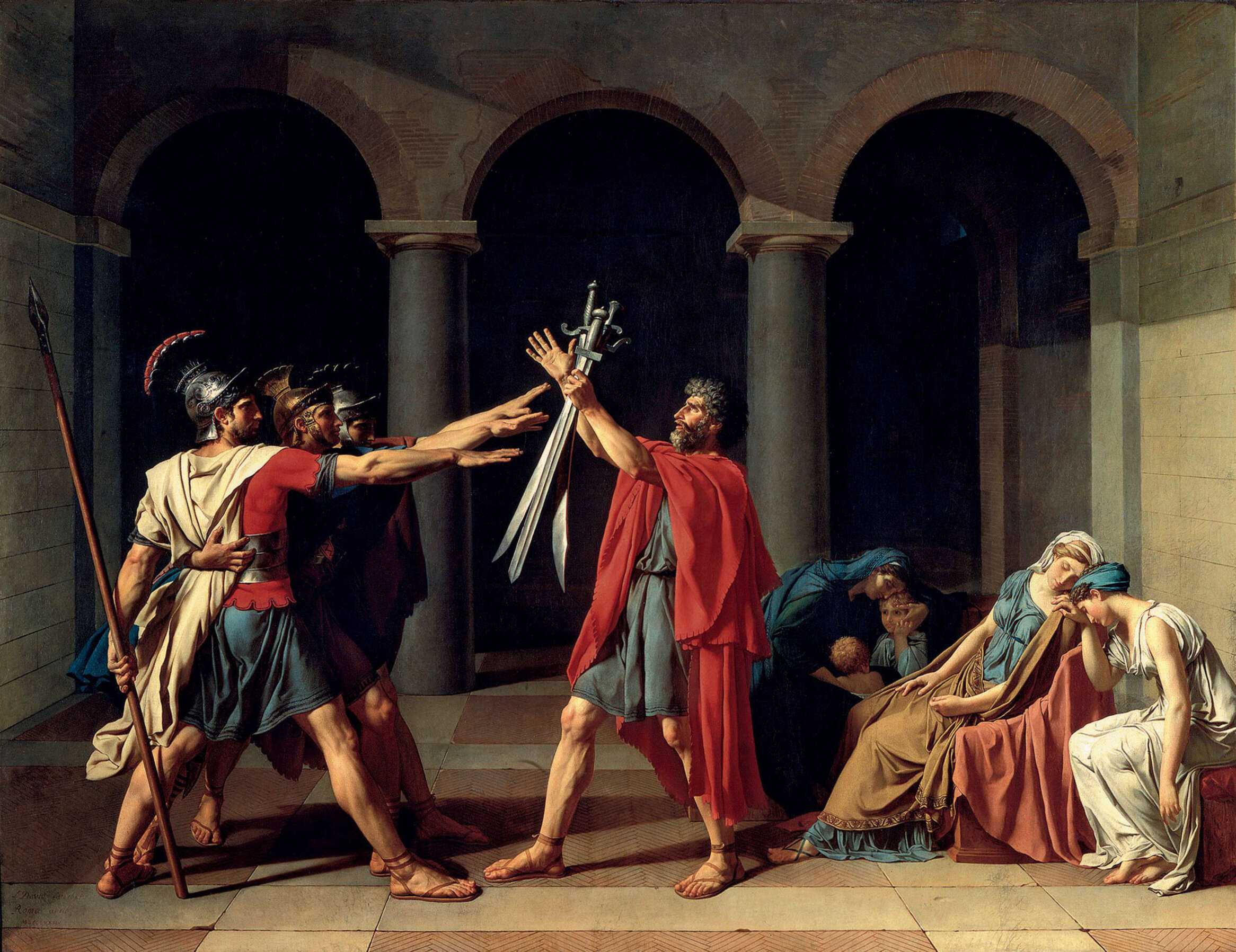
Oath of the Horatii, 1785 by Jacques-Louis David.
By painting an ancient historical subject, David was hoping to encourage people to look back at the ancient world and model their actions on that society which had been held-up by many at this time as an example to be emulated. This work helped launch the Neoclassical movement.
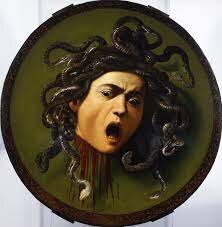
Medusa, c. 1598 by Caravaggio.
Medusa has always been a popular character in art. The combination of female and monster seems to have been so tantalizing that most ancient and Renaissance artists had to take their turn. This work is a depiction of a ceremonial shield where the Gorgon is used to frighten enemies; a usage common in ancient art.
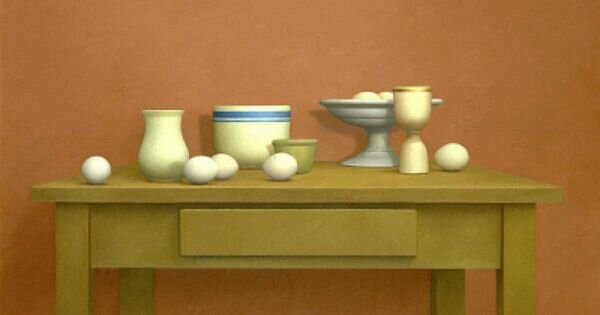
Still Life with Rose Wall and Compote 1973 by William Bailey.
Bailey still lifes are among my favorites. The simplicity appeals to me and the compositions look random, but you can tell are studied.
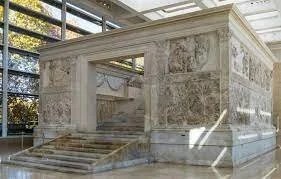
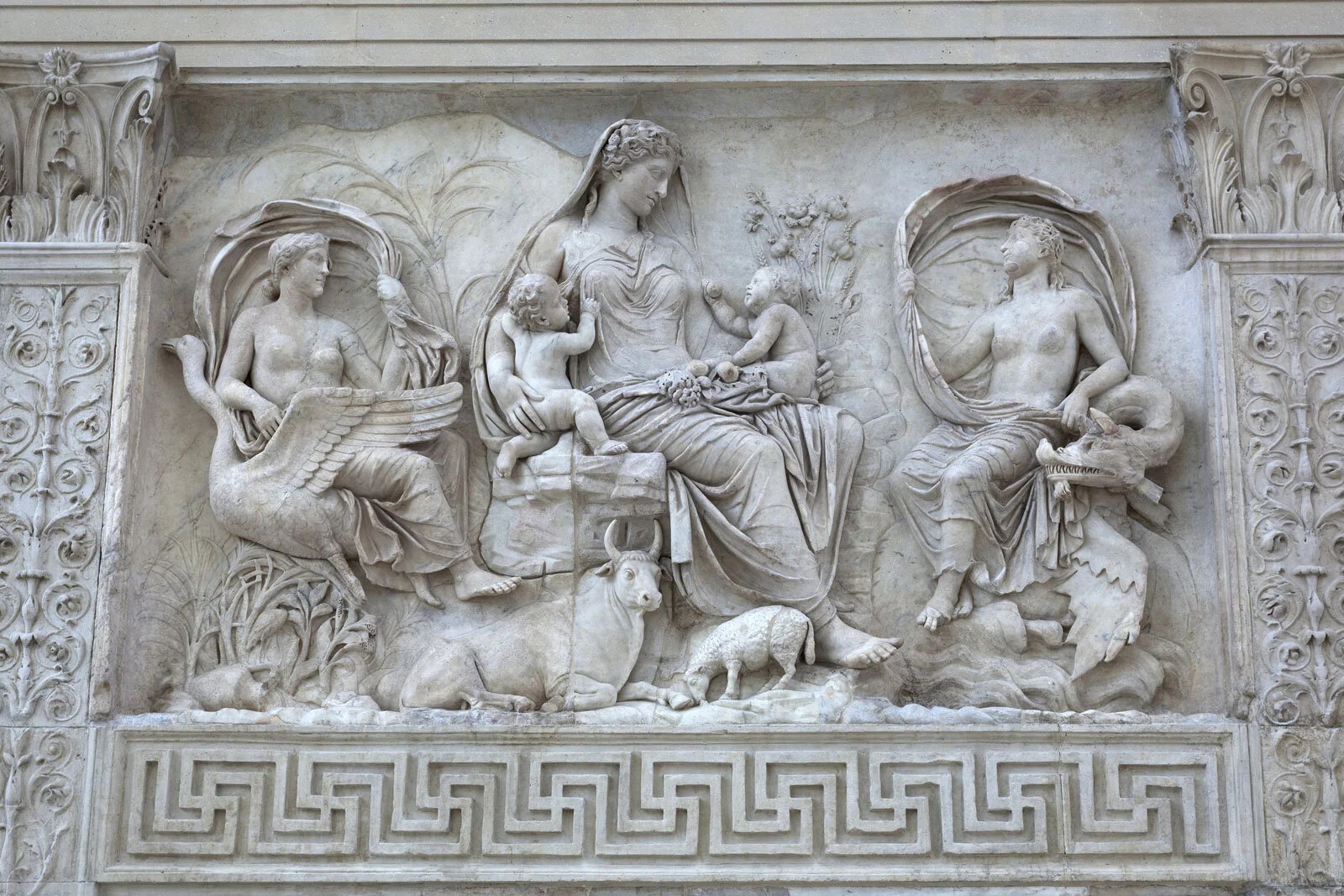
Ara Pacis, Roman Temple built for Augustus, 30-9 BCE, Rome.
Built to honor Augustus’ battles in Spain and Gaul, the Ara Pacis was built as a celebration to the power of the Roman Empire and “peace” their dominance brought to them. Over the years it was buried as the city grew and was finally excavated in the 20th century.

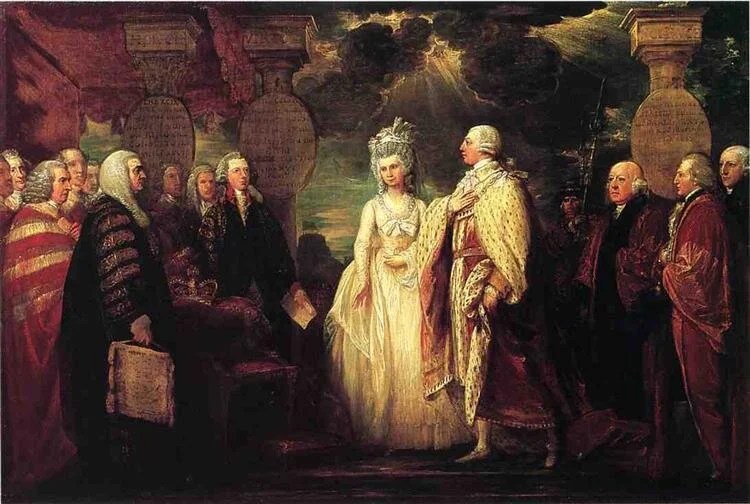
The Recovery of his Majesty in the Year 1789 by Benjamin West.
West was born in Philadelphia and was largely self-taught, although he did study painting. He was a friend of Benjamin Franklin, whose portrait he painted and eventually moved to England to paint for King George III who is pictured here. Don’t you love the heavens shining as the he returns to the throne.
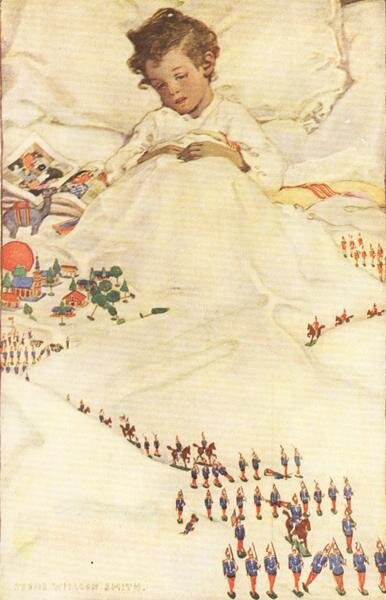
The Land of Counterpane by Jessie Wilcox Smith
The Land of Counterpane by Robert Louis Stevenson
When I was sick and lay a-bed,
I had two pillows at my head,
And all my toys beside me lay,
To keep me happy all the day.
And sometimes for an hour or so
I watched my leaden soldiers go,
With different uniforms and drills,
Among the bed-clothes, through the hills;
And sometimes sent my ships in fleets
All up and down among the sheets;
Or brought my trees and houses out,
And planted cities all about.
I was the giant great and still
That sits upon the pillow-hill,
And sees before him, dale and plain,
The pleasant land of
.
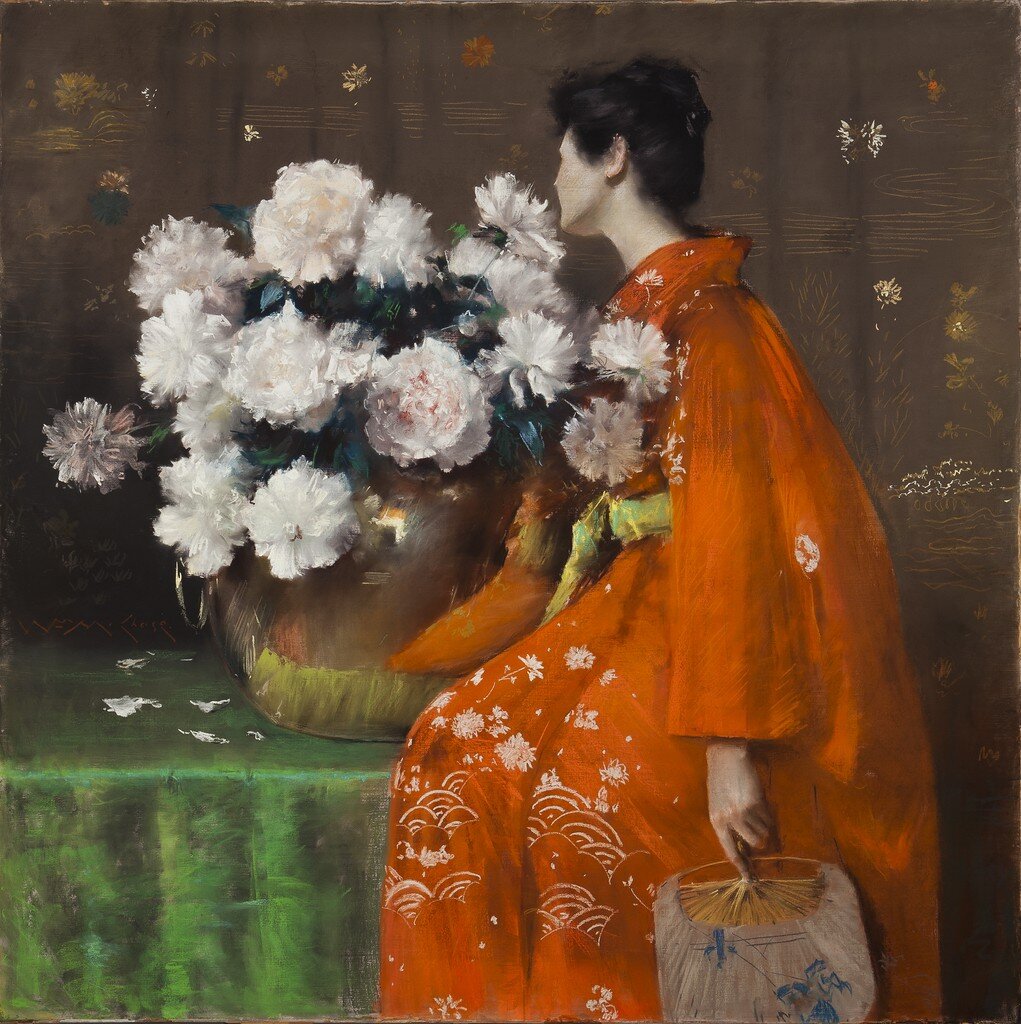
Spring Flowers, c. 1889 by William Merritt Chase.
Chase considered himself an observer of life and which was a French method he applied to American landscapes and settings. This work also refers to the fashion of Japanese styles adapted in American households.
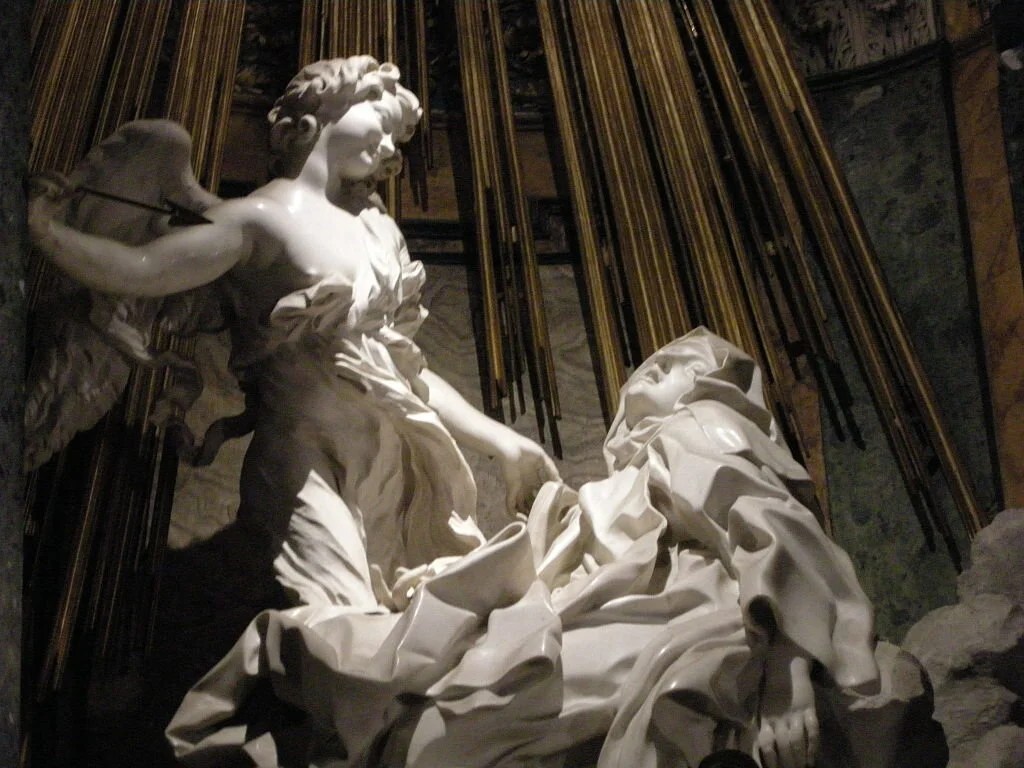
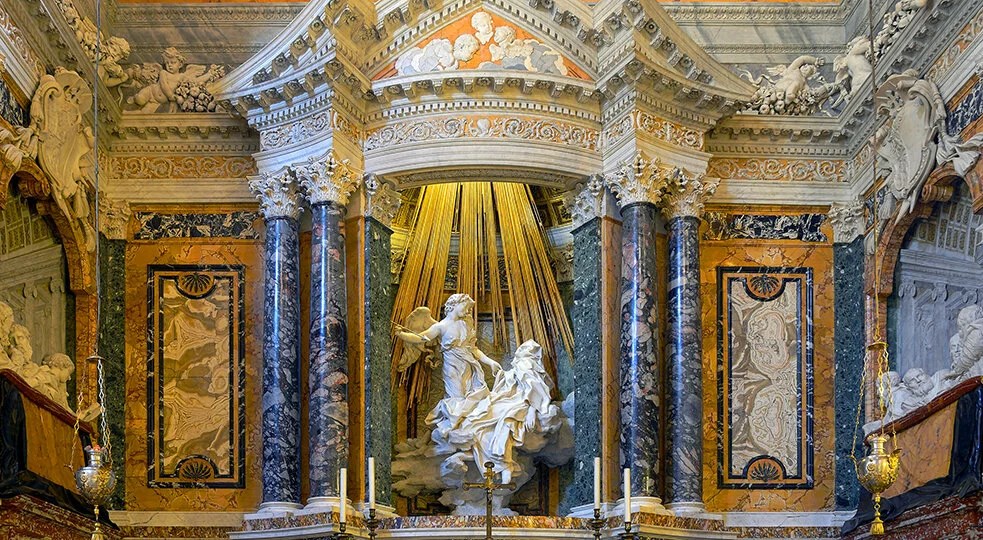
The Ecstacy of St. Teresa, 1645-1652 by Bernini, Cornaro Chapel.
“I saw an angel beside me toward the left side, in bodily form…He was not very large, but small, very beautiful, his face so blazing with light that he seemed to be one of the very highest angels, who appear all on fire. They must be those they call Cherubim…I saw in his hands a long dart of gold, and at the end of the iron there seemed to me to be a little fire. This I thought he thrust through my heart several times, and that it reached my very entrails. As he withdrew it, I thought it brought them with it, and left me all burning with a great love of God. So great was the pain, that it made me give those moans; and so utter the sweetness that this sharpest of pains gave me, that there was no wanting it to stop, nor is there any contenting of the soul with less than God”.
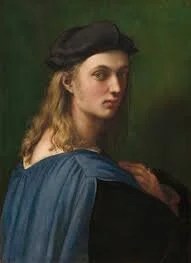
Bindo Altoviti, c. 1515 by Raphael.
Earlier interpretations thought that this work was a self-portrait. It is now generally agreed that it is an early portrait of the prominent Florentine banker, Bindo Altoviti.

