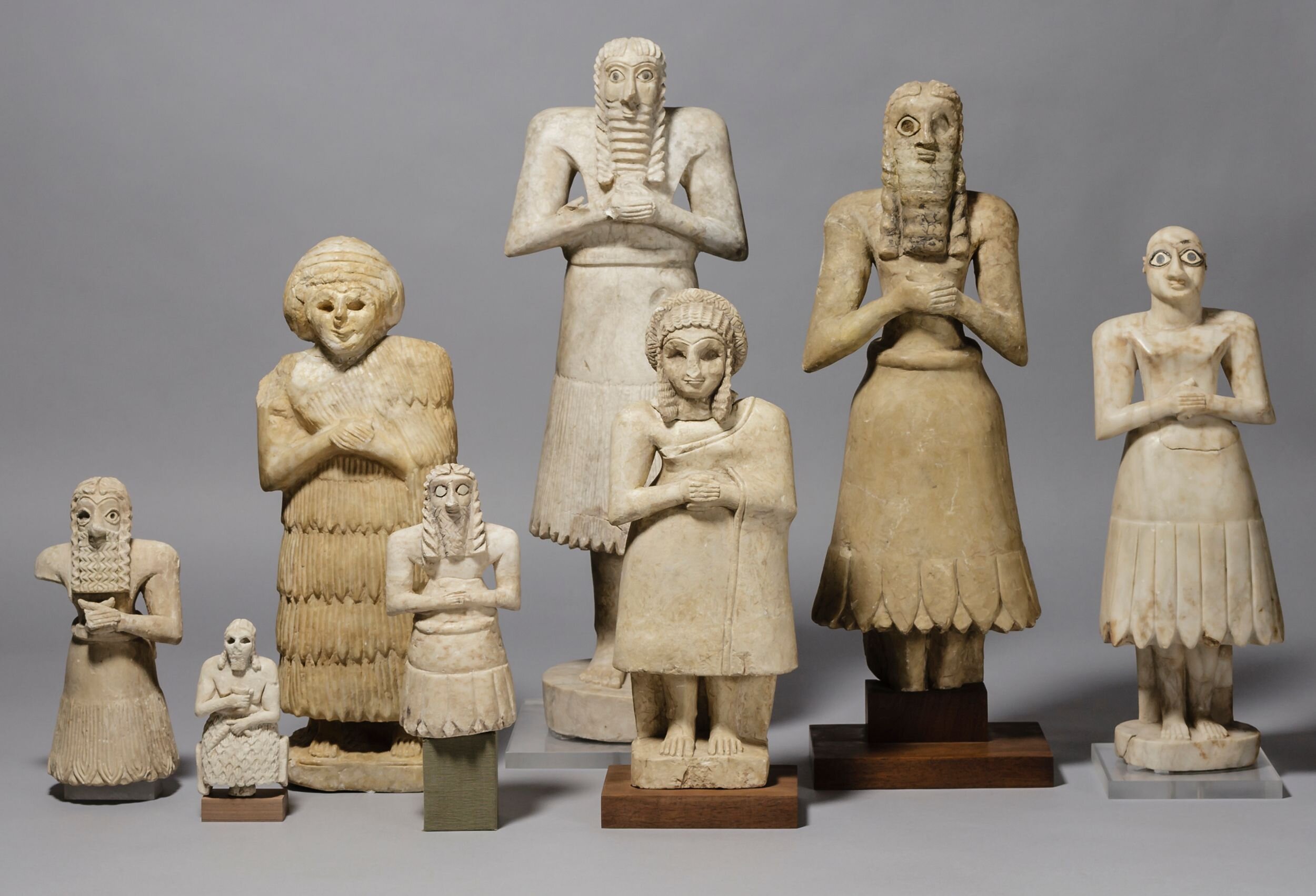
Tell Asmar Figures, c.2900 – 2350 BC, Mesopotamia.
These sculptures are thought to be part of religious ceremonies and to represent the devotional. Cylindrical figures with large eyes, and long hair and beards for the men, are typical.
Tell Asmar Figures, c.2900 – 2350 BC, Mesopotamia.
These sculptures are thought to be part of religious ceremonies and to represent the devotional. Cylindrical figures with large eyes, and long hair and beards for the men, are typical.
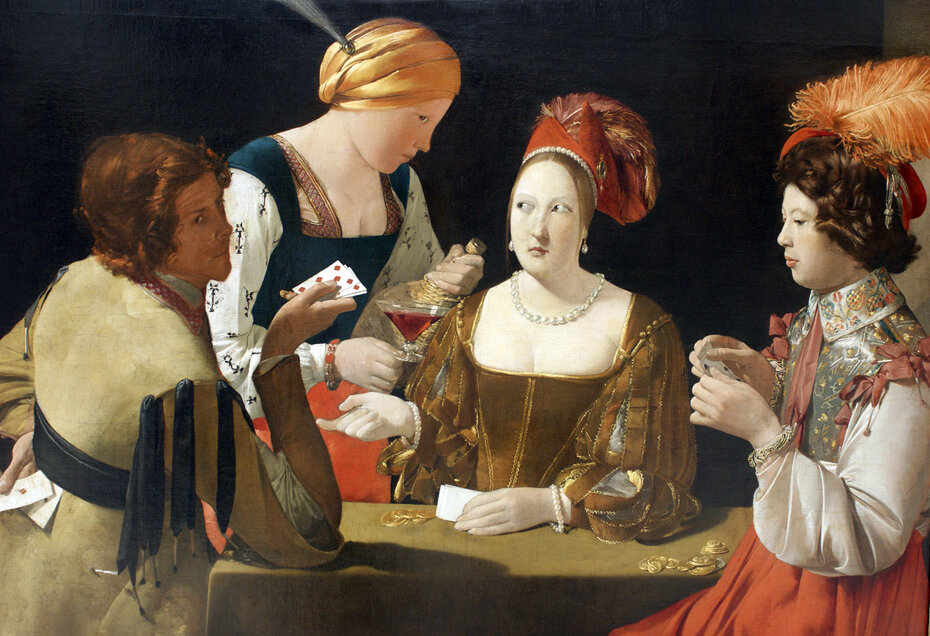
The Cheat with the Ace of Diamonds, c.1647 by Georges de la Tour.
It does not look like anyone at this table is playing by the rules especially the fellow with the extra cards behind his back. The background is totally dark but the clothing stands out and looks more rich because of it. de la Tour lit most of his paintings with candlelight.

A wonderful serene snow-covered landscape, named for the magpie perched on the fence gate.
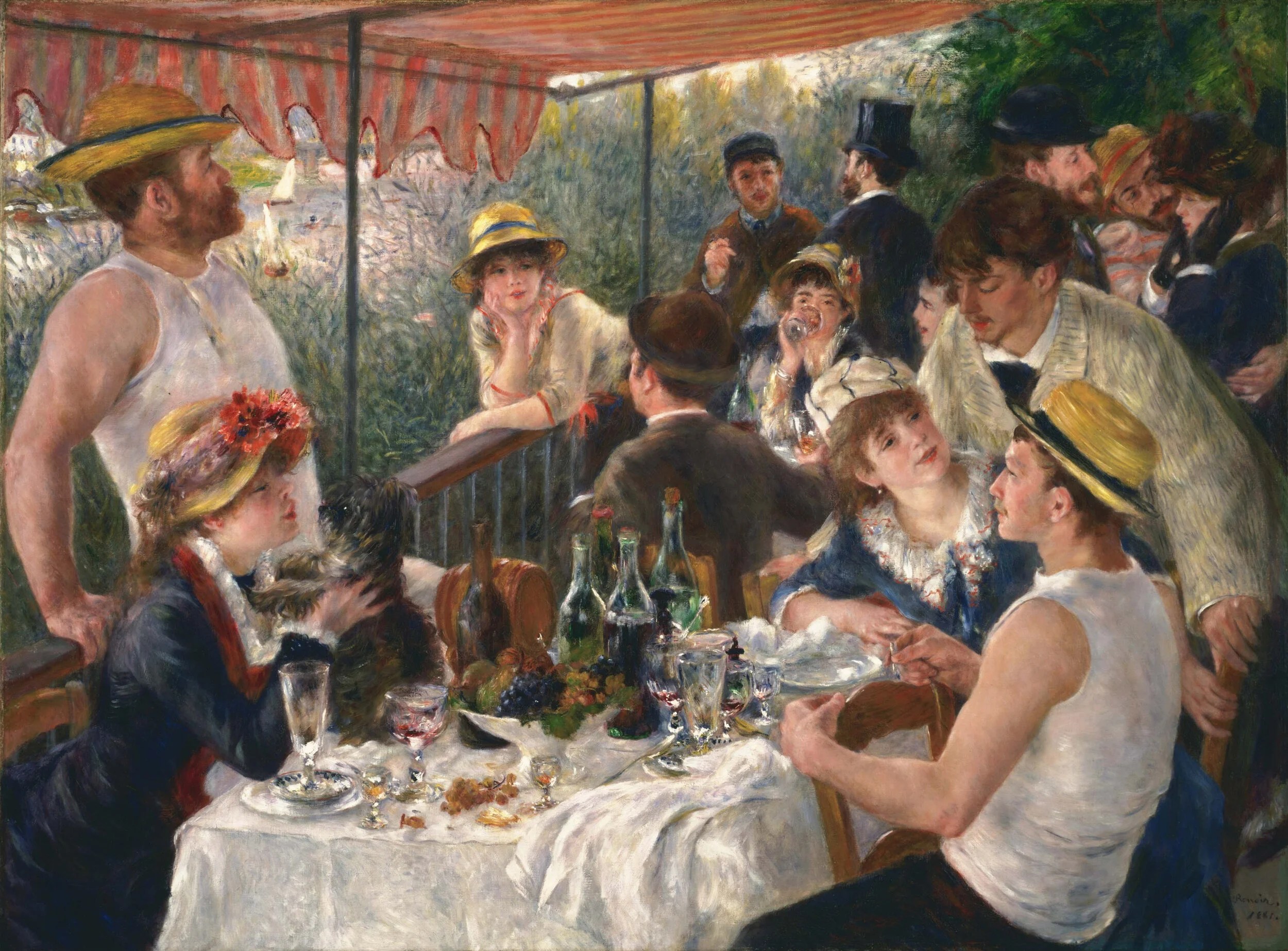
Luncheon at the Boating Party, 1880-1881 by Pierre Auguste Renoir.
The young woman holding the dog would eventually become Mme. Renoir and is frequently used by him as a model. Renoir was a very social person and painted scenes of the pastimes he participated in.
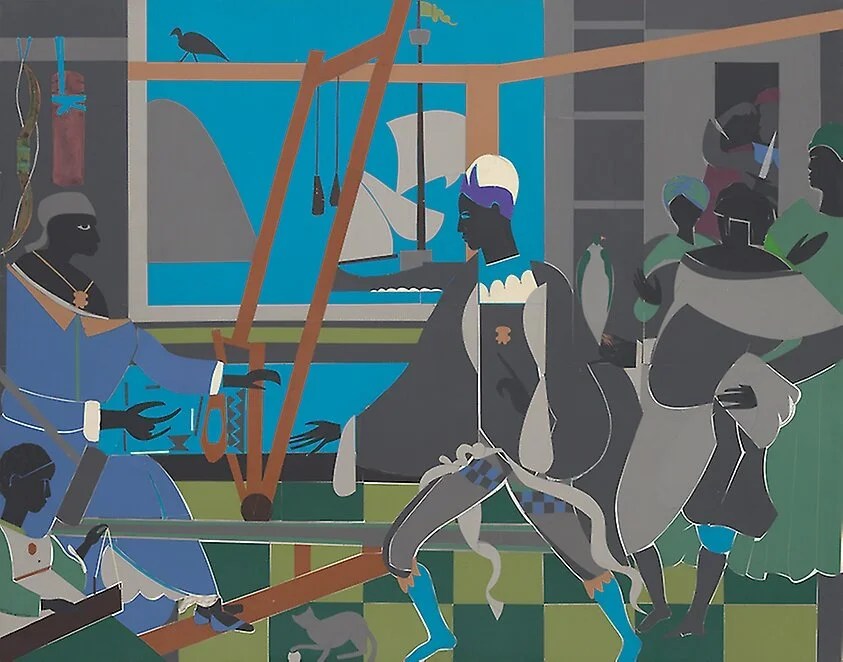
The Return of Odysseus (Homage to Pinturicchio and Benin), 1977 by Romare Bearden.
Bearden has re-cast the Greek hero if Homer’s epic The Odyssey as an African family as they might have been portrayed in art from the African Kingdom of Benin. He also references frescos by the Italian artist Pinturicchio in the composition (and the title).
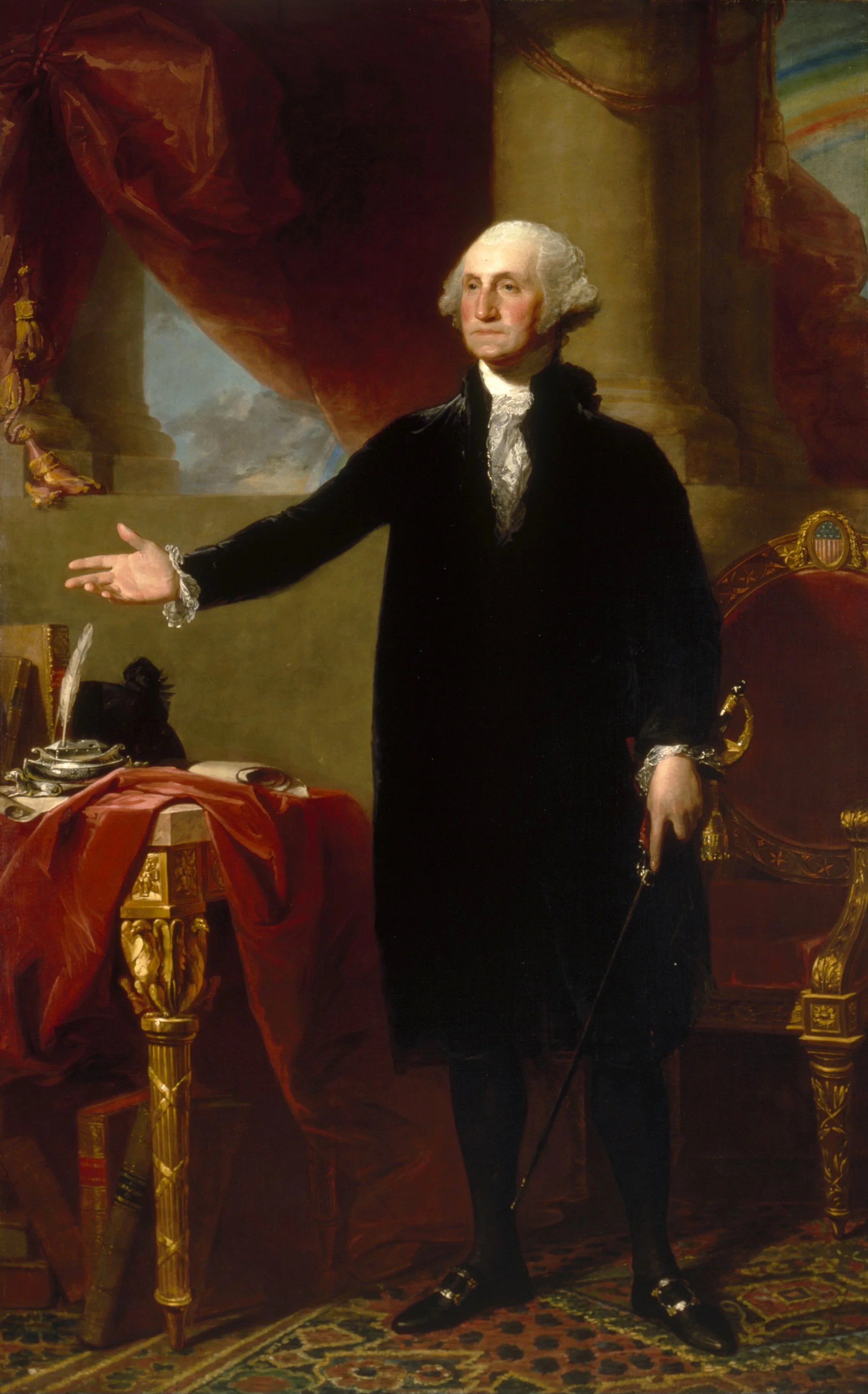
George Washington (Lansdowne portrait), 1796 by Gilbert Stuart, National Portrait Gallery, Smithsonian.
This portrait of Washington was on loan to the Smithsonian for many years until the owner decided to sell it. It was offered to the NPG for $20 million. A gift was given that allowed for its purchase and to renovate the gallery where it hangs.
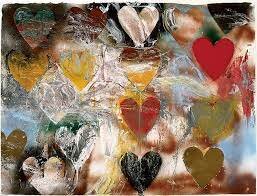
Meadow Heart #1, 1971 by Jim Dine.
Dine creates “multiples” of everyday objects. He also takes advantage of every medium available.
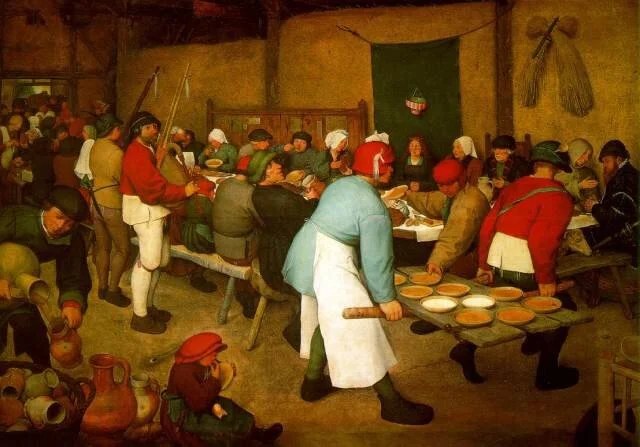
The Peasant Wedding by Pieter Bruegel The Elder, 1567.
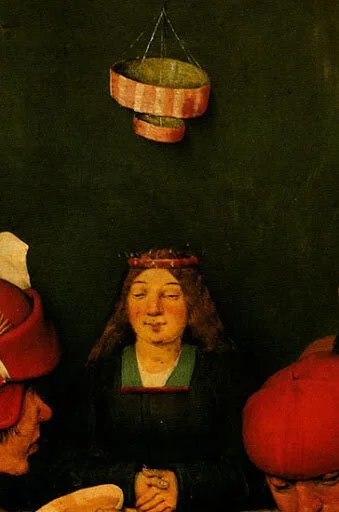
In this 16th century wedding celebration we see the bride sitting in front of a cloth and very proudly surveying the festivities on “her day.” The lore is that Bruegel would dress up as a peasant and did his research first hand. Notice the Bride sitting in front of the green cloth with a crown above her head.
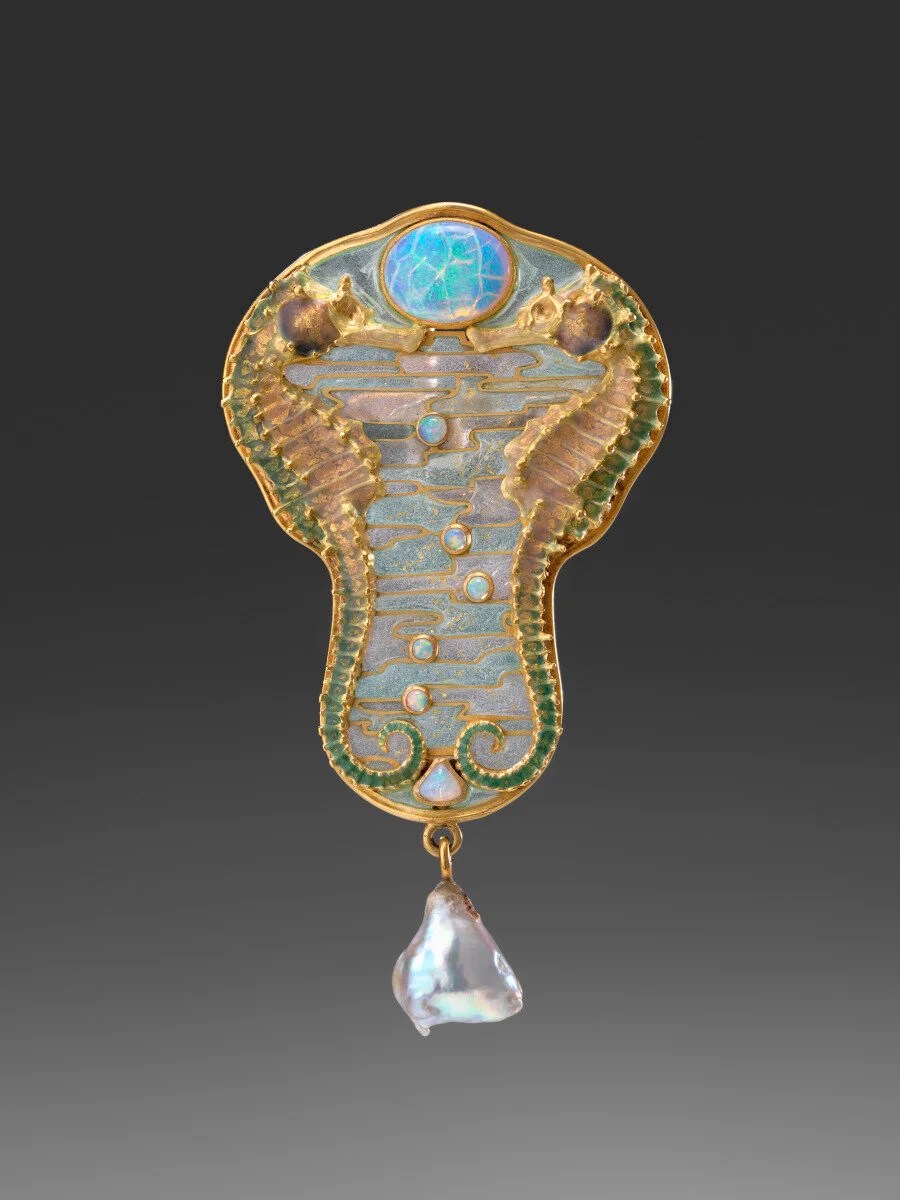
Seahorse Brooch, 1902 – 1905 by René Lalique.
Another example of Lalique’s amazing art nouveau jewelry designs. Nature and natural objects were favorite subjects of art nouveau artists.
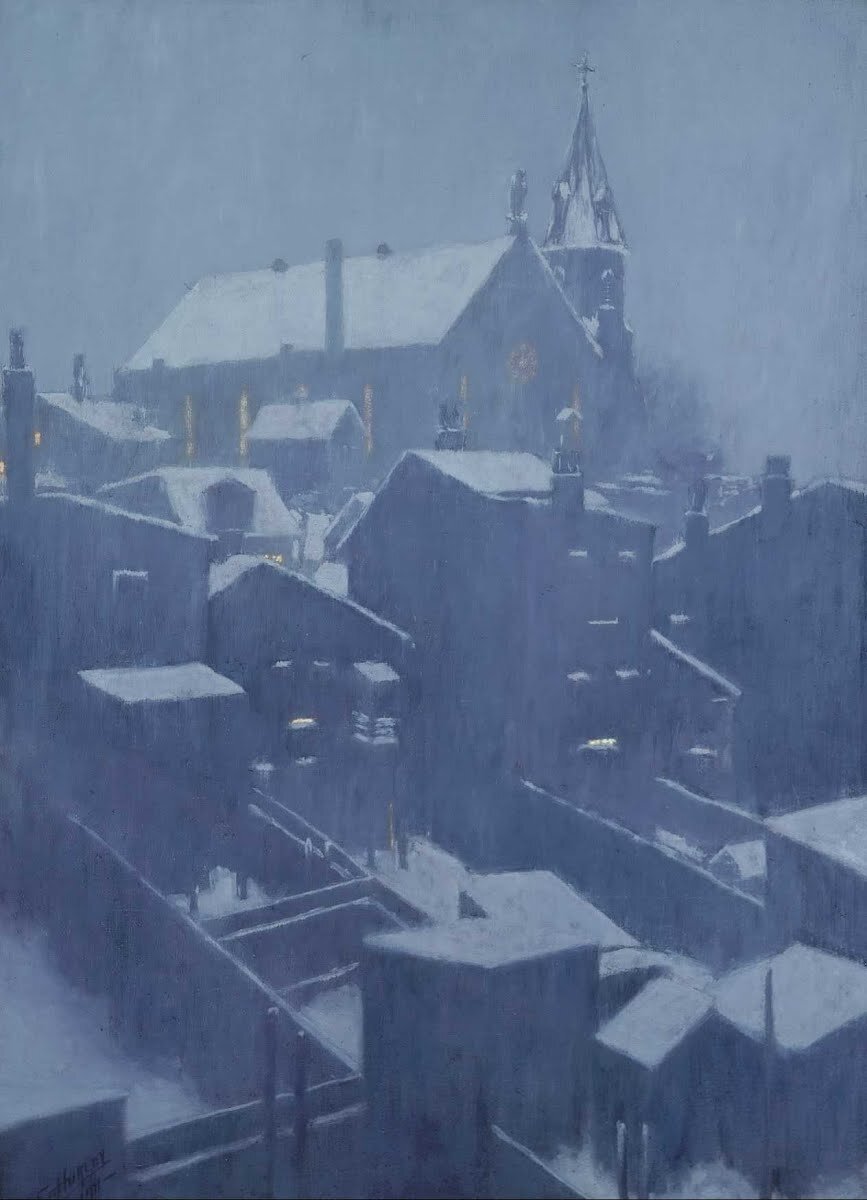
The Midnight Mass, 1911 by Edward Timothy Hurley, Cincinnati Art Museum.
A beautiful night time snow scene showing the rooftops and the majority of the light coming from the church as the faithful have left their homes to attend.

