Category: Artists

  • Fruits

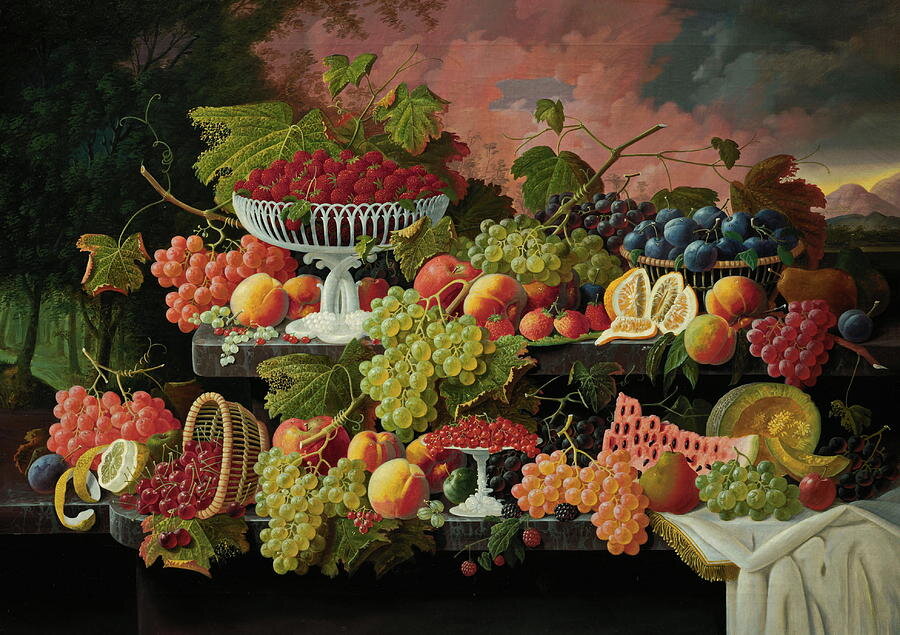
    Two-Tiered Still Life with Fruit and Sunset Landscape by Severin Roesen, The Nelson-Atkins Museum of Art

    The still-life study of the colorful fruit in this painting is framed by a spectacular landscape scene. One of the most difficult aspects of a still-life to get right is making the objects at the front look like they are laying realistically on the table – Roesen does it well in this 19th century painting.
  • Drifting

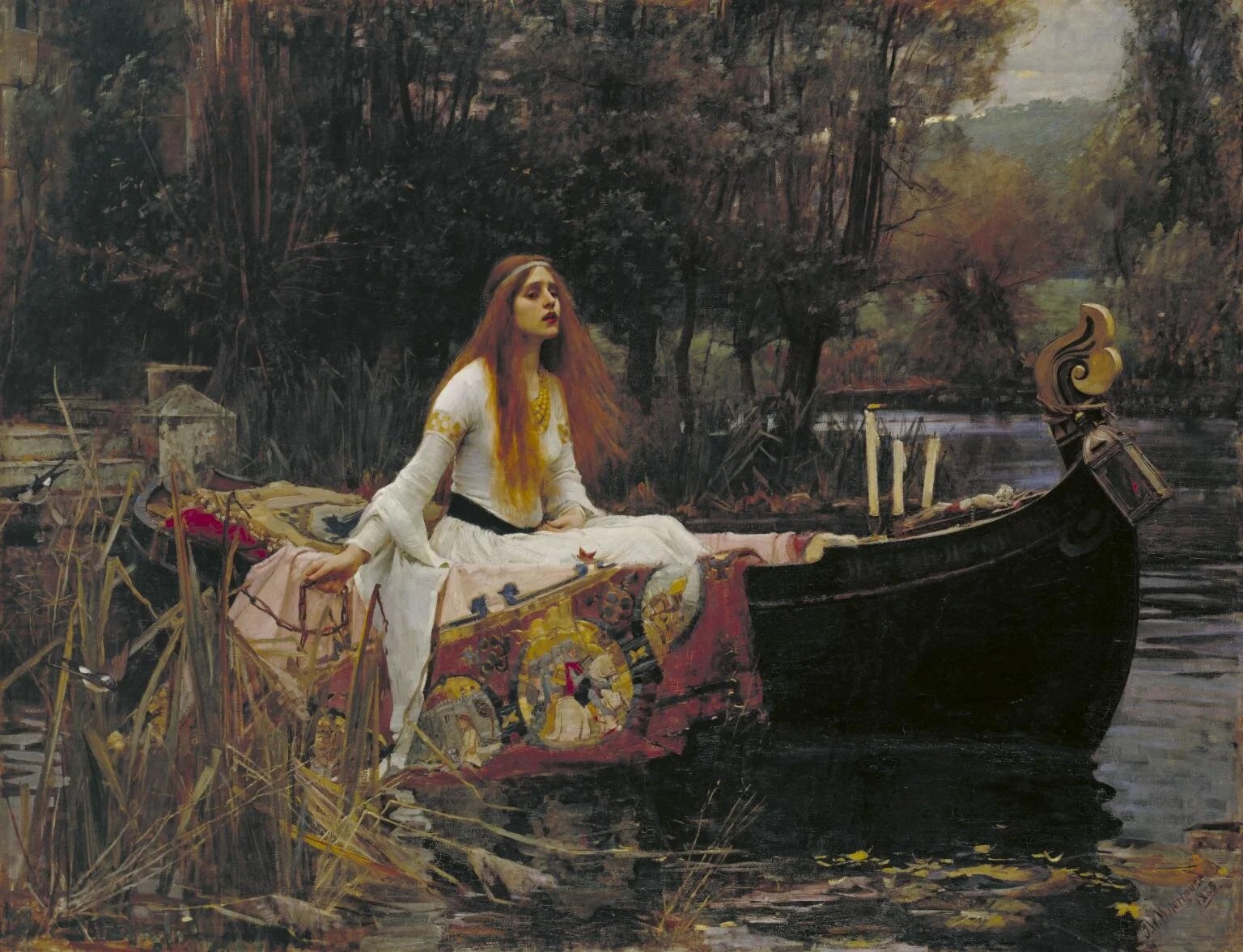
    The Lady of Shalott by John William Waterhouse, Tate Gallery, London.

    The subject is from Tennyson’s poem of the same name. Waterhouse was a follower of the Pre-Raphaelites and this can be seen in the style and subject matter of the painting. All around her is the tapestry she has woven of knights and Camelot.

  • Florence

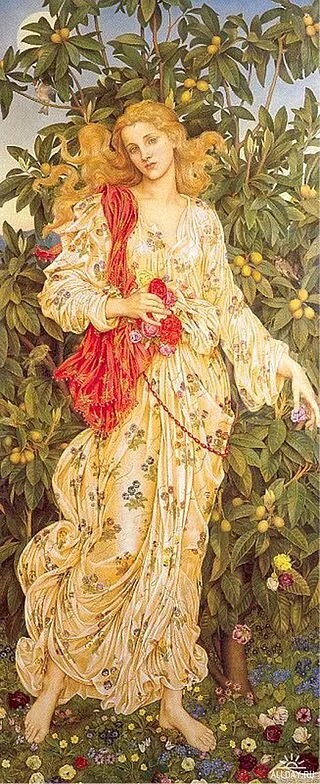
    Flora, 1894 by Evelyn De Morgan , The De Morgan Foundation, London.

    Married to William De Morgan who was associated with the Pre-Raphaelites, Evelyn has also become part of the group of artists who have come to be included in that genre. On the scroll at the bottom right hand corner of the painting is written in Italian:

    I am Flora who came from Florence

    The City which takes its name from flowers

    Amongst the flowers I was born and now changing

    home

    I have my dwelling in the mountainous north

    Welcome and amid the northern mists

    Let my treasure be dear to you.

  • Feminist Art or Just Art?

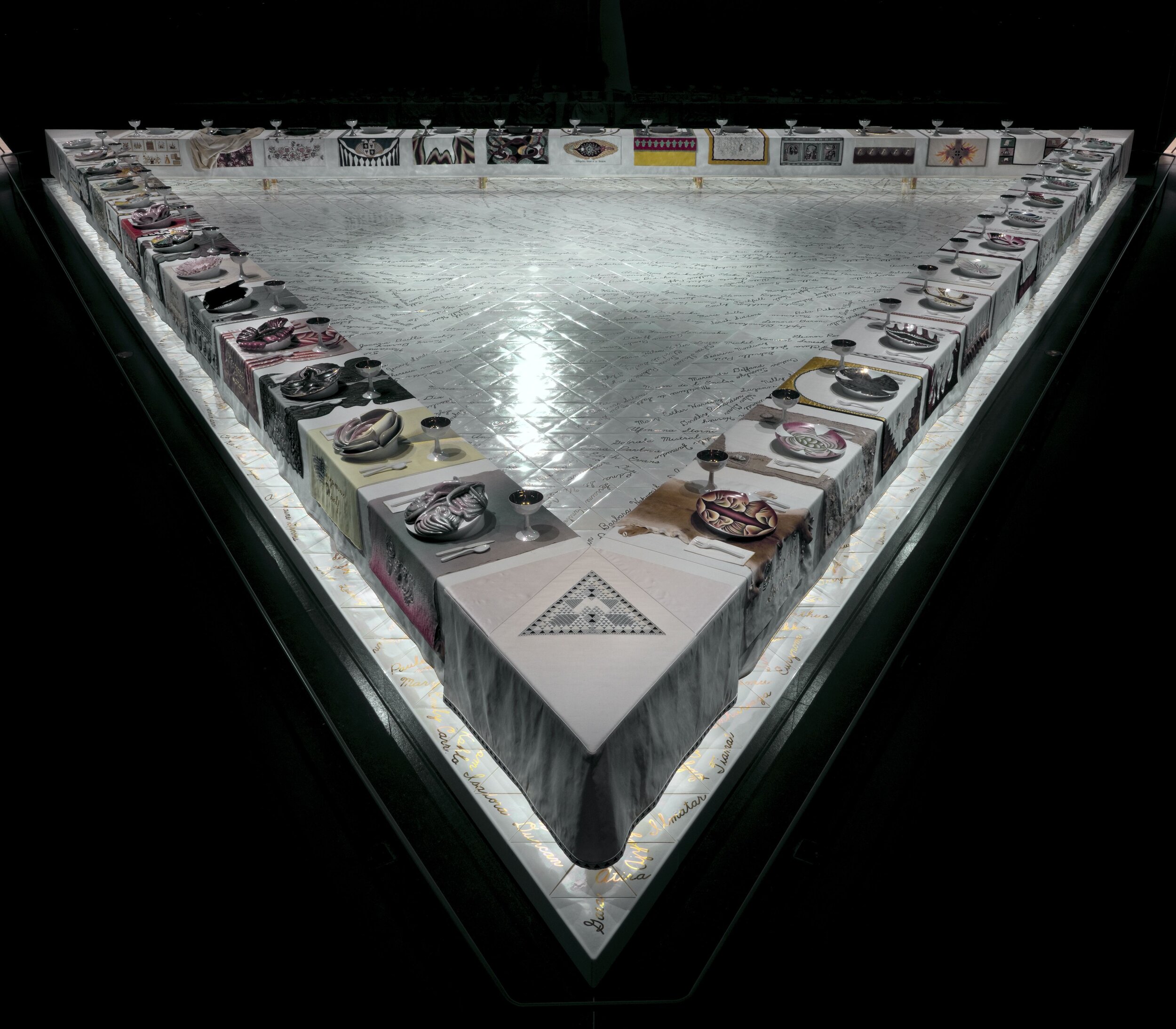
     The Dinner Party by Judy Chicago, 1974-79,  Brooklyn Museum 

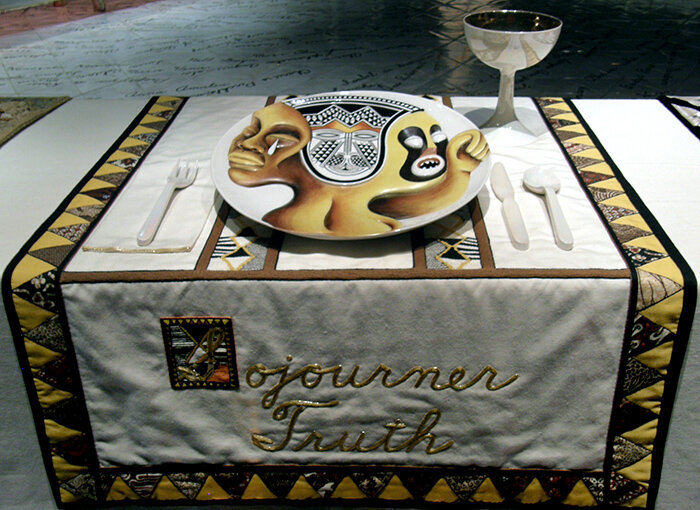
    There are two exhibitions at the National Museum for Women in the Arts in Washington DC right now that were organized by the Brooklyn Museum. They are a show featuring the work of artist Judy Chicago, often label as a Feminist, but naturally as labels go, she is that and so much more.

     detail from The Dinner Party by Judy Chicago
    detail from The Dinner Party by Judy Chicago
  • Reflection

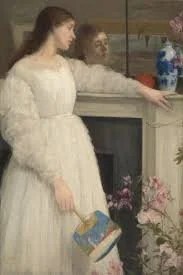
    Symphony in White No.2: Little White Girl by James Abbot McNeill Whistler, Tate Gallery, London.

    The Japanese theme in Whistler’s art can be seen in the decorations around the figure of the woman. Around the mid 19th century Japanese influences began to appear in Europe and became quite fashionable.

  • Dance Lesson

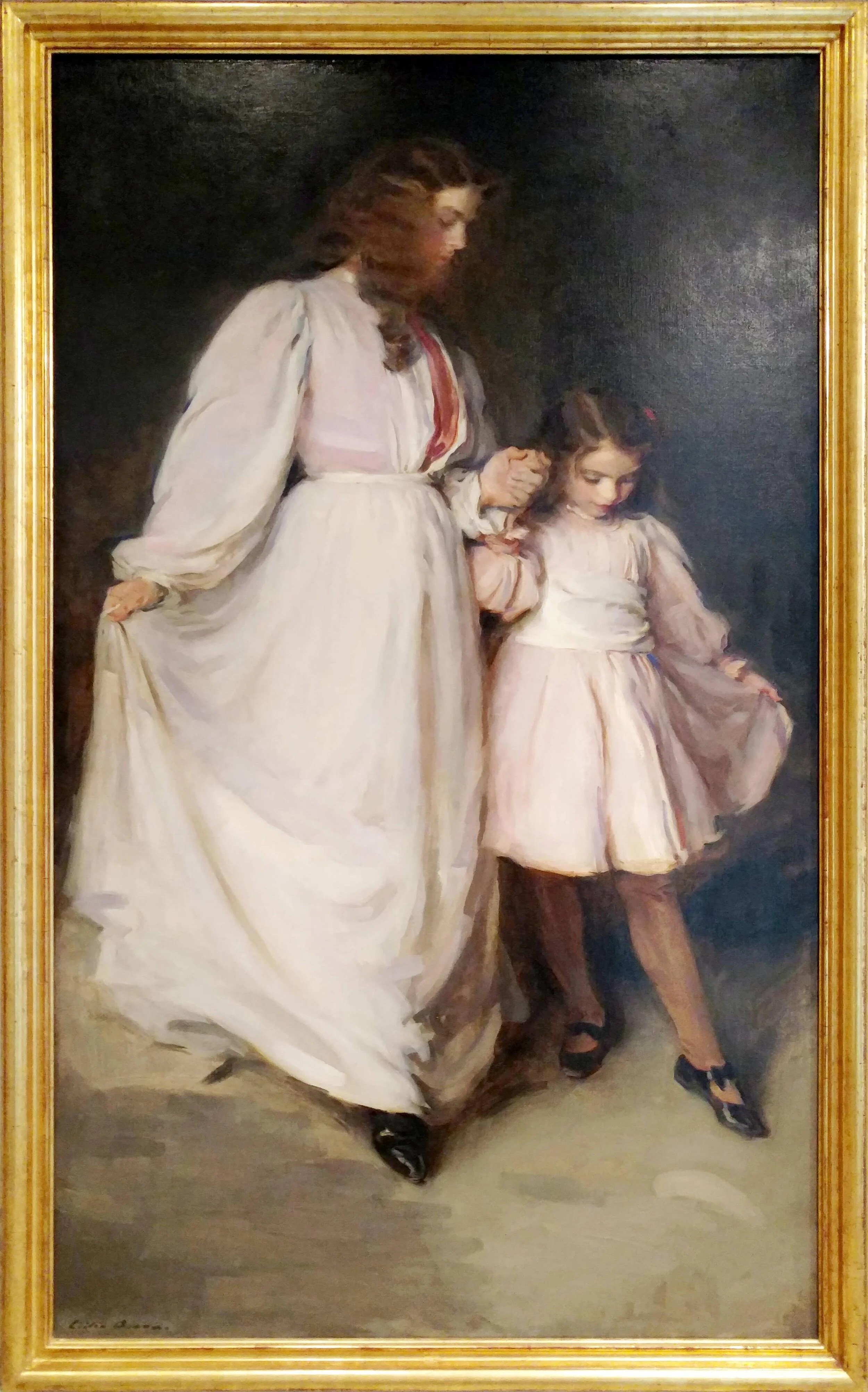
      Dorothea and Francesca , 1898 by  Cecelia Beaux
    Dorothea and Francesca , 1898 by Cecelia Beaux

    From Philadelphia, Beaux was a society painter in there and in New York. Her style was similar to the work of the most famous of the portraitists of the era, John Singer Sargent.

  • Kick Up Your Heels

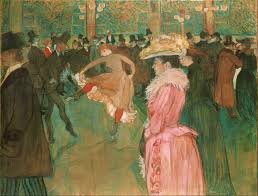
      Dance at the Moulin Rouge, 1890 by Henri Toulouse-Lautre c
    Dance at the Moulin Rouge, 1890 by Henri Toulouse-Lautre c

    Toulouse-Lautrec immersed himself in the world of dance halls, becoming friends with the performers. He saw the upper class men of his birth, visit these lower class venues looking for drink and prostitutes and must have felt that at least his working friends in the venues were the more honest about who they really were.

  • Who’s Watching Whom?

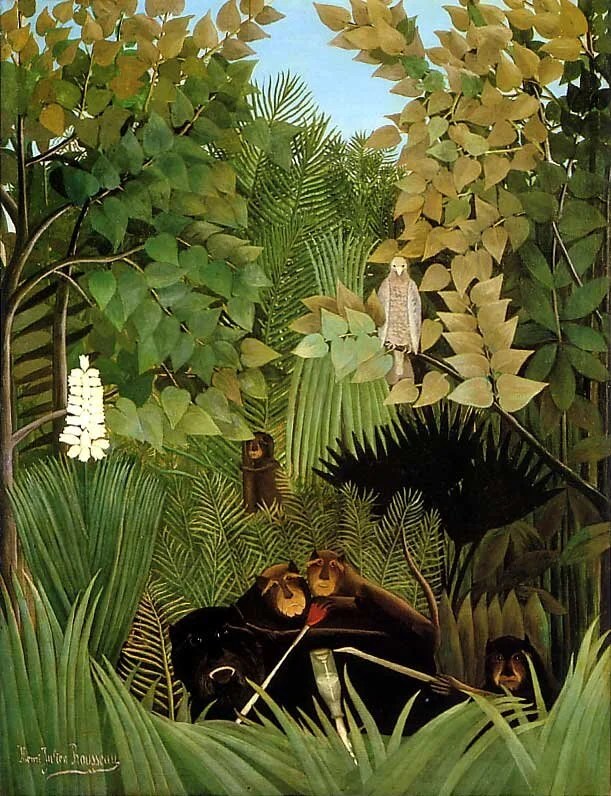
    Merry Jesters by Henri Rousseau 1906

    Rousseau frequently visited the botanical garden in Paris for inspiration, he then concocted scenes with wild animals in his imagination and put them on canvas. His style was admired by other artists for it’s straightforward and untrained style.

  • All Grown Up

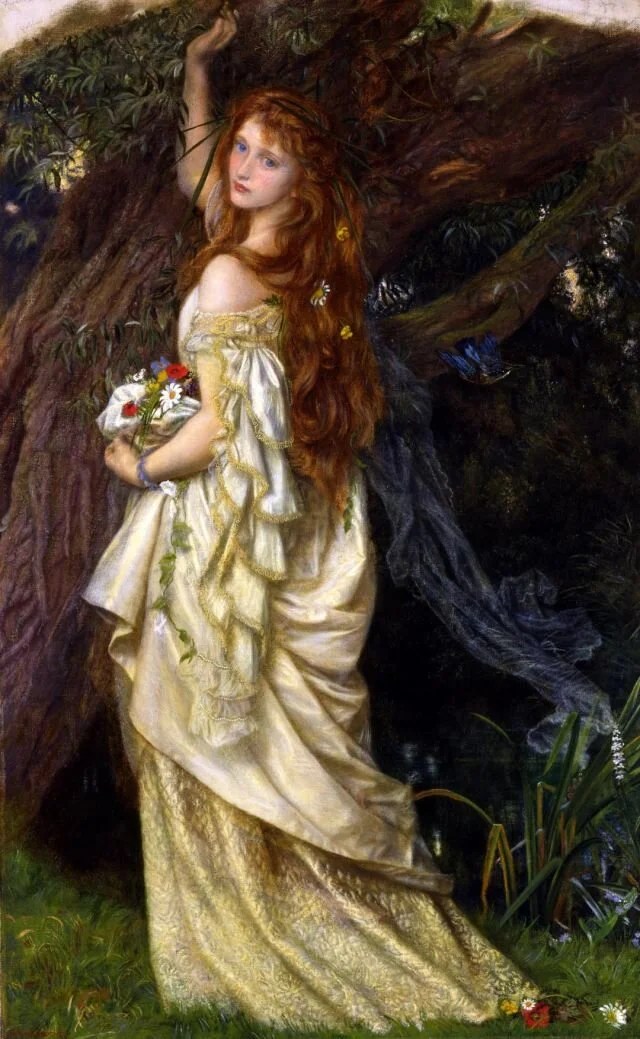
    Ophelia (“And he will not come back again”) by Arthur Hughes, The Toledo Museum of Art.

    This version of Ophelia is about 12 years after the first version where she looks like a little girl. It is a different interpretation of the character of Ophelia and seems to have more to do with the model, than the play.

  • Little Girl Lost

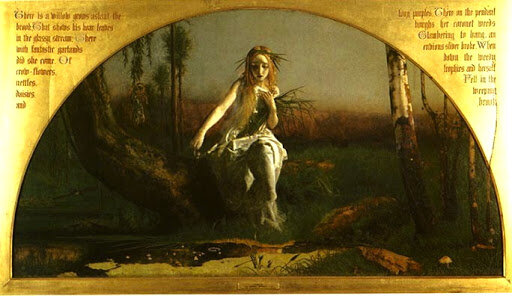
    Ophelia, c. 1851-53 by Arthur Hughes, Manchester City Art Galleries.

    Hughes was influenced by Pre-Raphaelite Group after reading their publication The Germ. His painting of Ophelia from Shakespeare’s Hamlet represents a much younger woman then most other artists, even as Hughes himself would later portray her.