Category: Artists

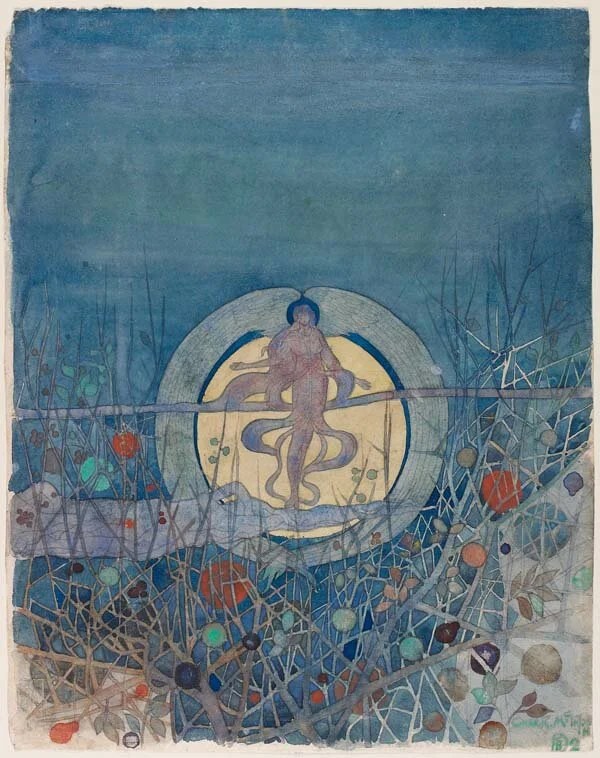
  • Full Moon

    The Harvest Moon, c. 1894 -96 by Charles Rennie Mackintosh, Glasgow School of Art

    My favorite artist. He was also an amazing architect. He was so far ahead of his time and although he was a contemporary of the Art & Crafts and Art Nouveau movements, his take on the aesthetic was really unique.

  • Jewel Tones

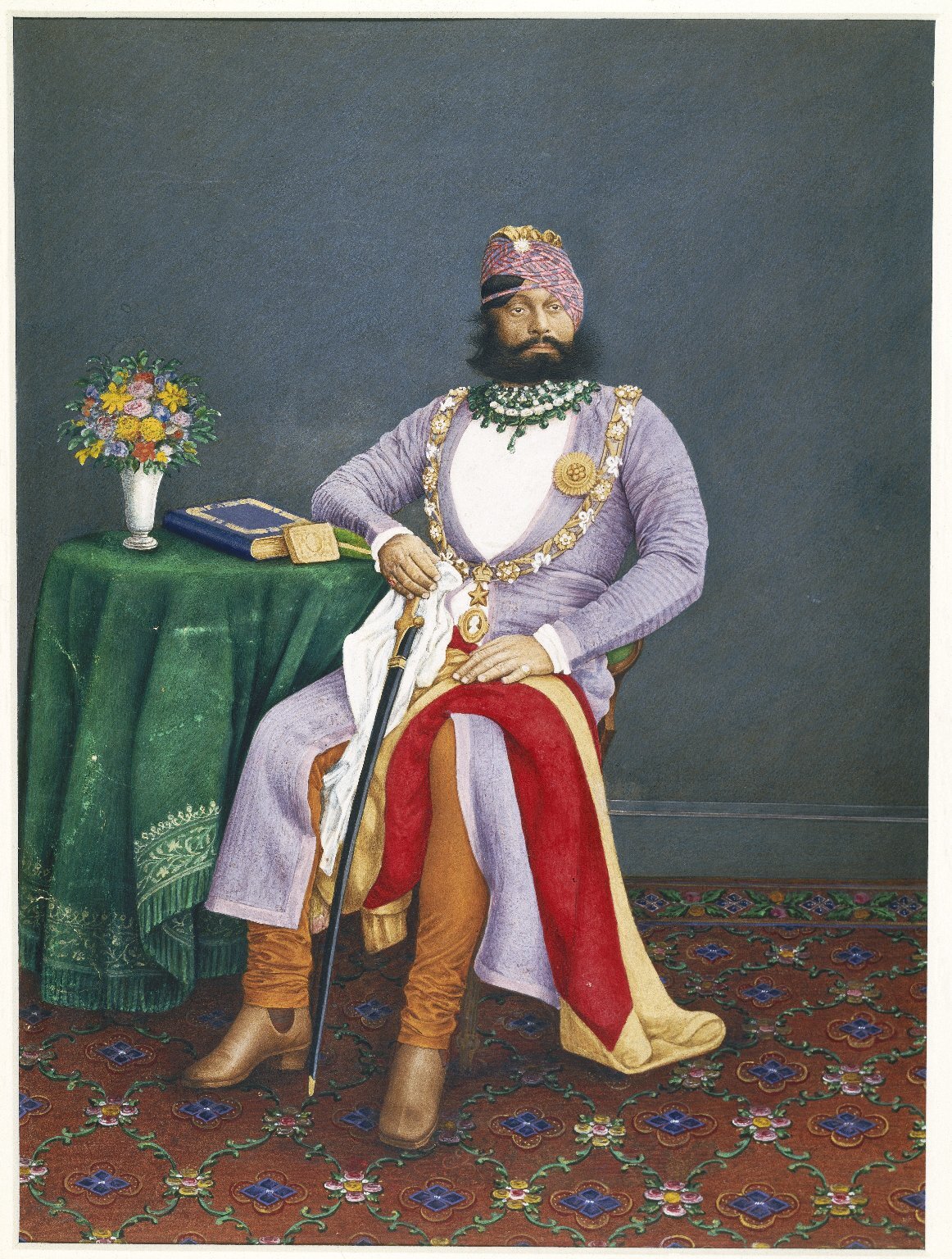
    Maharaja Jaswant Singh of Marwar, ca. 1880, watercolor, The Brooklyn Museum.

    The simple setting of this watercolor work is unusual and it has more in common with a photograph than a painting. It reflects the influence of the British on India in it’s more austere setting and pose.

  • Beadwork

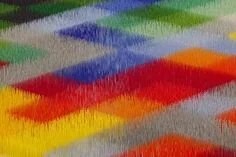
    Liza Lou, Color Field, 2013, glass beads, stainless steel, Perspex, , 20 x 26 feet (dimensions variable). , Courtesy the artist. © Liza Lou 2010-2013. Photo credit: Dean Eliot. 

    Artist Liza Lou’s works with beads which appeals to me because I make jewelry using beads. This piece is from an exhibition last year where she used thin pieces of wire each with a single color of beads that were then put together in patterns.

    Liza Lou, Kitchen, 1990–95. Whitney Museum of American Art, New York

    I first saw her Kitchen at the Akron Art Museum and was blown away by the amount of beads and time it must of took to complete at life-size room. She had people helping her with the beading or she would probably still be working on it.

    Detail of the sink from Kitchen.
  • Introductions

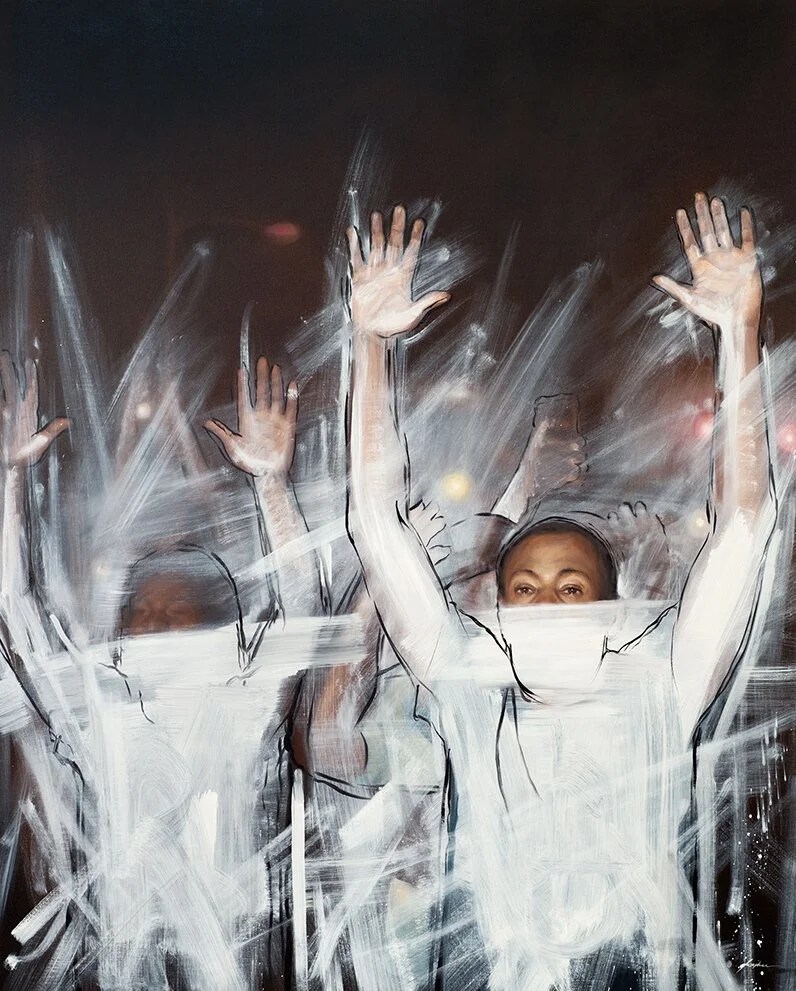
    Yet Another Fight For Remembrance by Titus Kaphar, 2014

    Time Magazine commissioned African-American artist Titus Kaphar to create a work after the Ferguson Protests in Missouri in 2014. The protests were sparked by the fatal shooting of Michael Brown by Police Officer Darren Wilson.

    I feel an affinity to Kaphar as he and I are both from Michigan and were both introduced to the study of art history in Community College. He infuses his work with art and history and and makes his own voice and the voice of modern African-Americans heard in this work, as well. His art is very important, especially these days, as it reminds us we need to look backwards and know history, in order to move forward.

  • Out of the Background

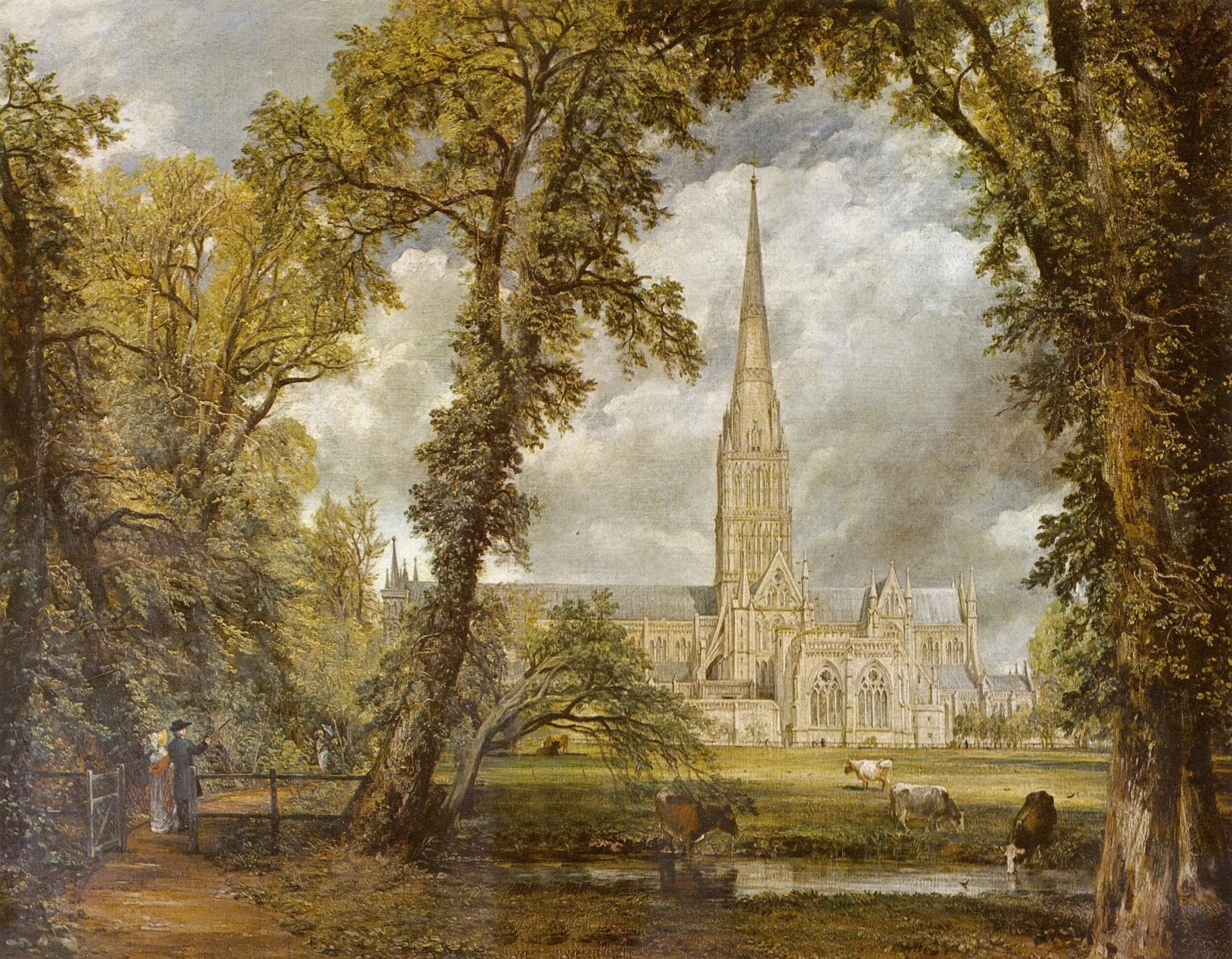
    Salisbury Cathedral from the Bishop’s Grounds, ca. 1825 by John Constable, The Metropolitan Museum of Art.

    This one is a favorite of mine by Constable because the cathedral is so clear and detailed.

  • Blessed

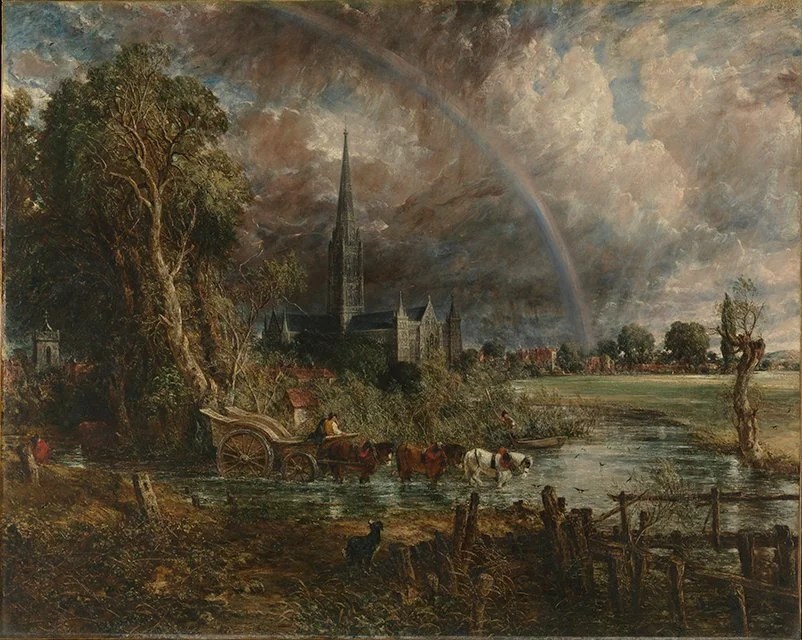
    Salisbury Cathedral from the Meadows, 1831 by John Constable, Tate Britain.

    This version of the cathedral is the most “romantic” with the horse and cart in the foreground and the rainbow in the background, which was apparently a later addition to the work.

  • Glass Jewels

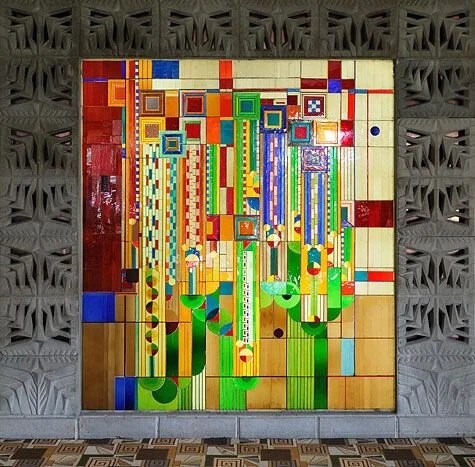
    Stained Glass Panel in Frank Lloyd Wright’s Style at Arizona Biltmore, Phoenix.

    Frank Lloyd Wright always liked to create an entire environment in his buildings and homes. He designed furniture, rugs, light fixtures, stained glass, pottery, fabrics – whatever a home would need. His student Albert McArthur, who collaborated with Wright on the design, included a glass panel typical of his teacher’s style that now serves as a beautiful focal point at the entrance.

  • Breaking Ground by Making Art

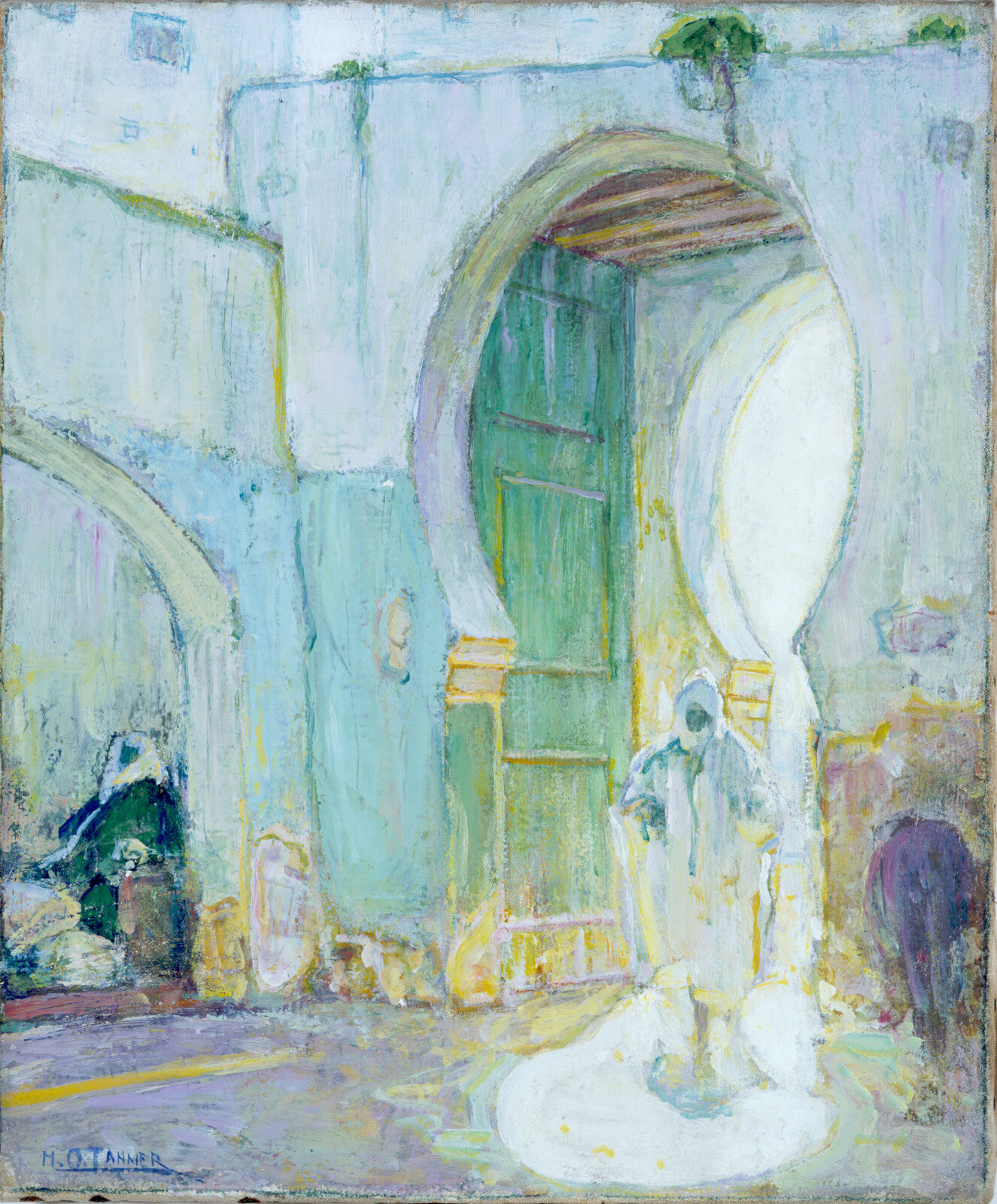
    Gateway, Tangier by Henry Ossawa Tanner, c. 1912, The St. Louis Art Museum.

    Tanner studied art at the Pennsylvania Academy of Fine Arts, which was highly unusual for an African American at this time. He was also lucky enough to study under Thomas Eakins, who revolutionized the way that art was taught and influenced many. Robert Henri, founder of the Ashcan School, was also a student at the same time. Tanner felt the burden of post-slavery racism (his mother was a slave who had escaped through the Underground Railroad, even in the north, and decided to strike-out for France, where he spent most of his life. He continued his studies at The Louvre where the great French masters, such as Gustave Courbet, influenced his work further.

  • Bringing Real Scenes to Life Through Art

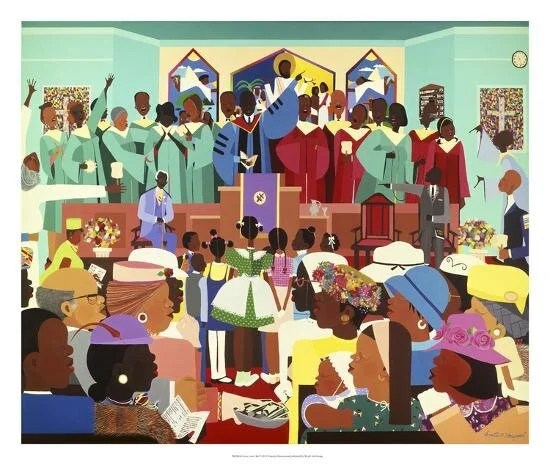
    Jesus Loves Me by Varnette Honeywood, 1983

    A good friend first introduced me to the art of Varnette Honeywood about the time this work was made. I have always been fond of the way Honeywood combined, colors and shapes to perfectly capture her scenes. Sadly, she passed away in 2010.

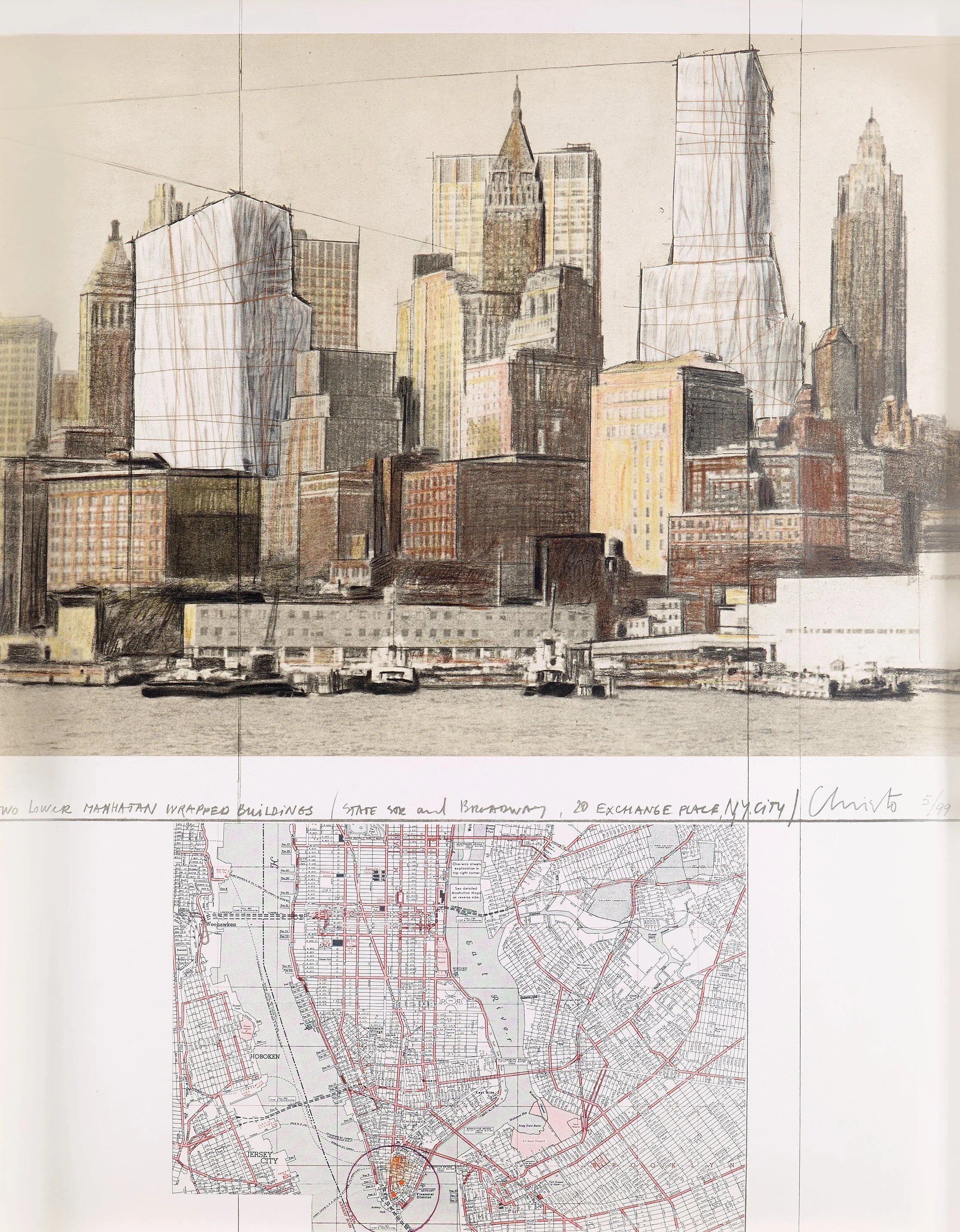
  • RIP Christo: If you Could Dream it, You Could Do it.

    Christo and Jeanne-Claude “Lower Manhattan Packed Buildings” (Project) (2 Broadway and 20 Exchange Place) Collage 1964-66.

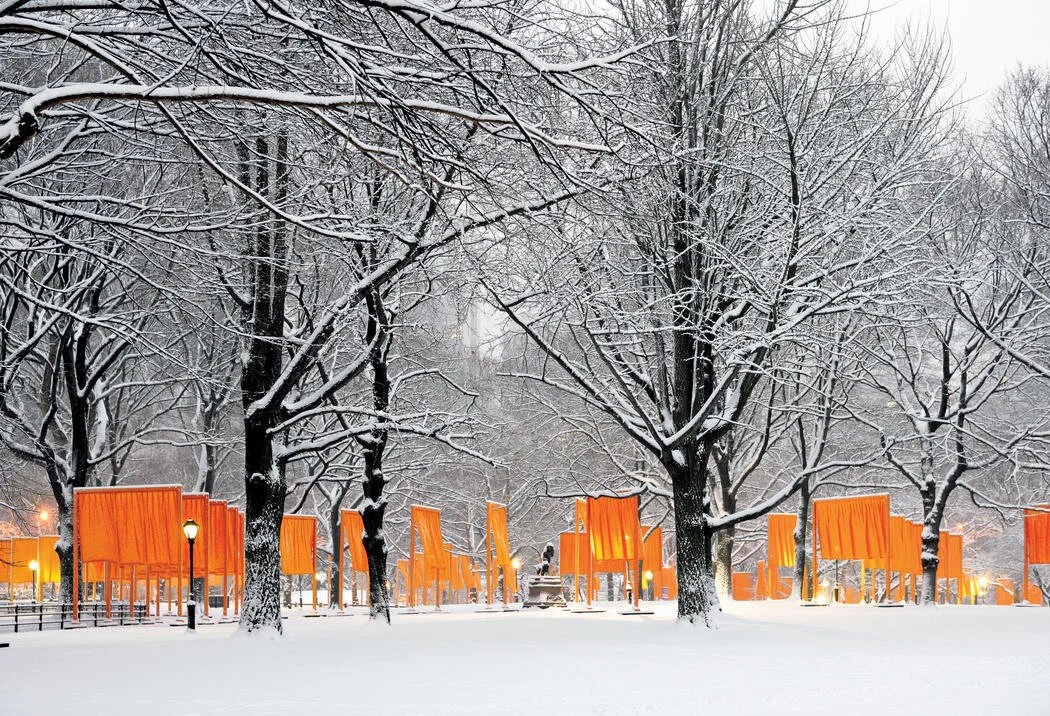
    This proposal for a project in Lower Manhattan was rejected but Christo and Jeanne-Claude did get a NYC project called “The Gates” done in 2005. They put orange “gates” in Central Park and the citizens were sorry to see them go when they were taken down.