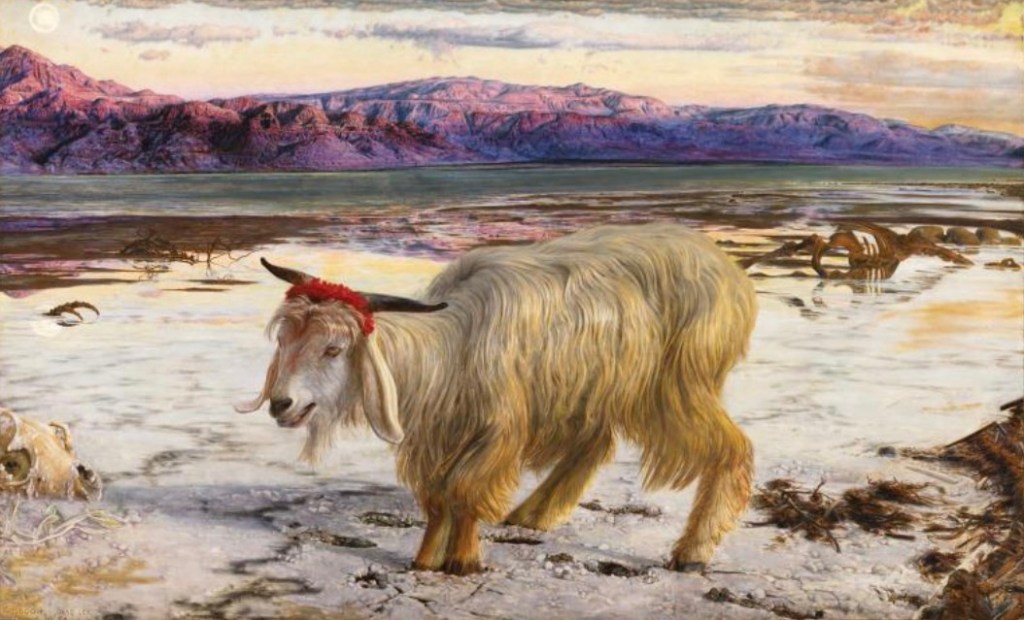
In light of the constant blaming and obfuscation that is constantly being fed to us, I thought of this painting by Pre-Raphaelite artist William Holman Hunt.
In light of the constant blaming and obfuscation that is constantly being fed to us, I thought of this painting by Pre-Raphaelite artist William Holman Hunt.
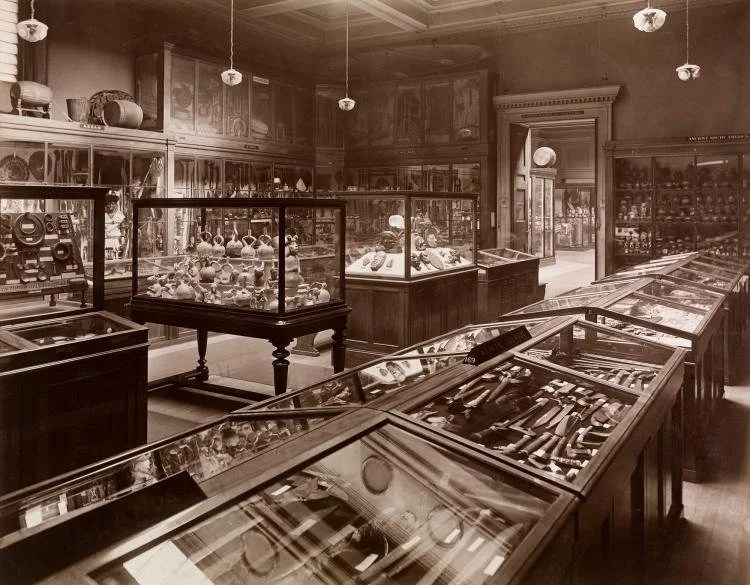
When public museums came to be in the late 19th and early 20th centuries they were primarily formed to be a repository for items and artifacts that people had collected on travels or through organized expeditions. The intention was to gather these artifacts for further study. Eventually these institutions morphed into places for the display of the collections that not only scholars, but also the public could come to see. That brings us to the large museums we know today with their dynamic programing and money generating entertainment.
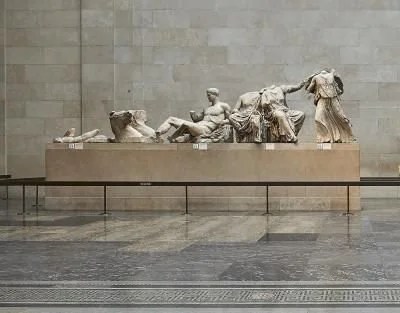
The methods for storage, reckoning with the histories and acquisition of objects, and our present world have not kept pace with each other. I visited the British Museum as part of a summer program through my university and of course, we were there to se the Parthenon statues (which were already controversial in the 80’s). However, what I was shocked by was a trip to a small storage room on the lower level of the museum. There our professor was excited to show us was row upon row of ancient pieces of Greek statuary fragments just laying around on shelves. There was no visible organization of the items or any identifying information. This all came to mind this morning as I read this New York Times article about the recent discovery of the long time theft of pieces from the collection by a curator. My point is that security and the organization and maintenance of many museum’s collections are sorely in need of examination and updating. In some cases, they have more in common with your kitchen’s junk drawer than not. Also, if you have so much in the collection that you cannot secure or maintain it, perhaps dispersing (or returning) some of it is not a bad idea – maybe take a look at the KonMari method?
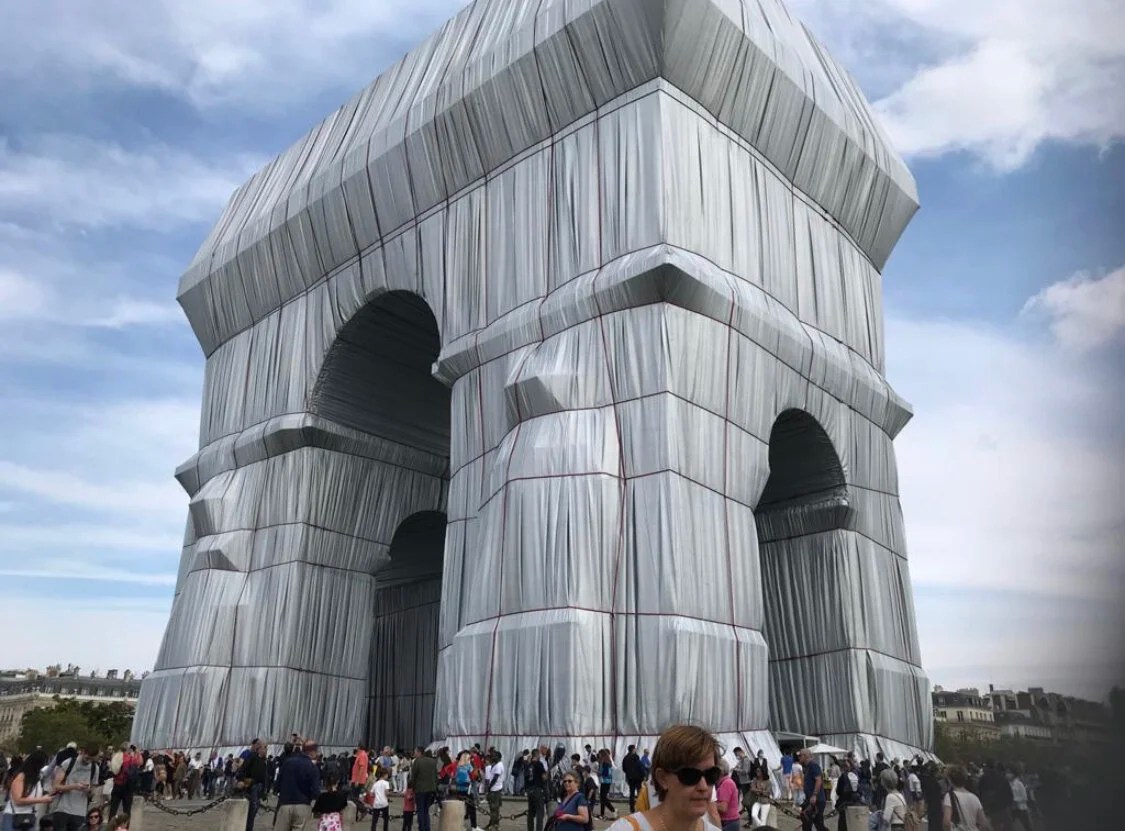
Christo and Jeanne-Claude, Arc de Triomphe, Paris 2021
Conceived and proposed in 1961, the vision of the artist’s has finally been realized. Unfortunately, neither of them are still alive to see it complete. It was their wish that their work would continue after their deaths which is very possible as they conceived and planned for many projects that have not yet been installed.
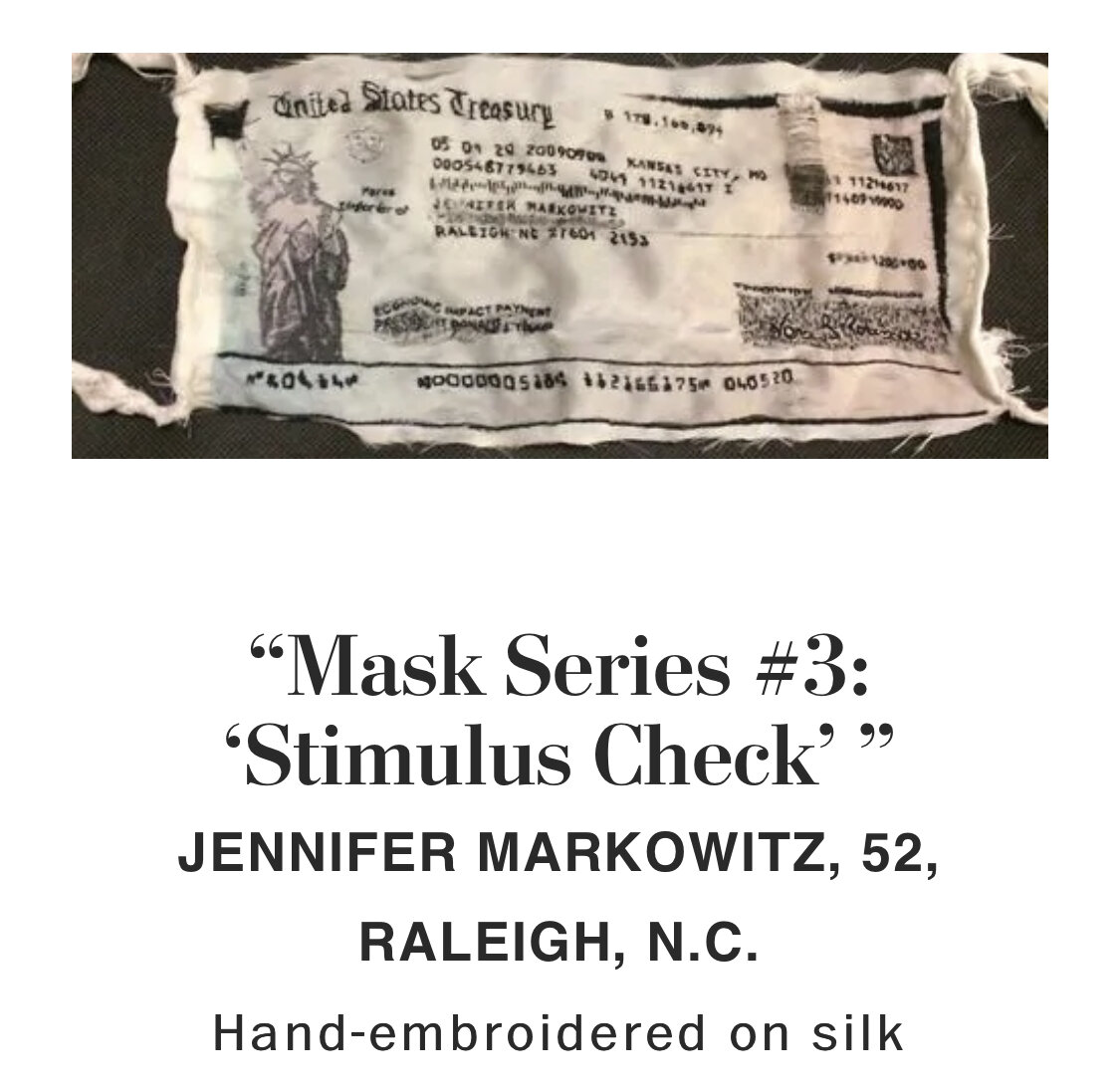
I restarted this blog a year ago when lockdown started. I am thankful to be getting my second shot in two weeks, that my husband was able to work from home, that neither of us has gotten sick, etc. This year has been unbelievable. It feels like we have turned a corner but we still need to be careful. Stay safe.
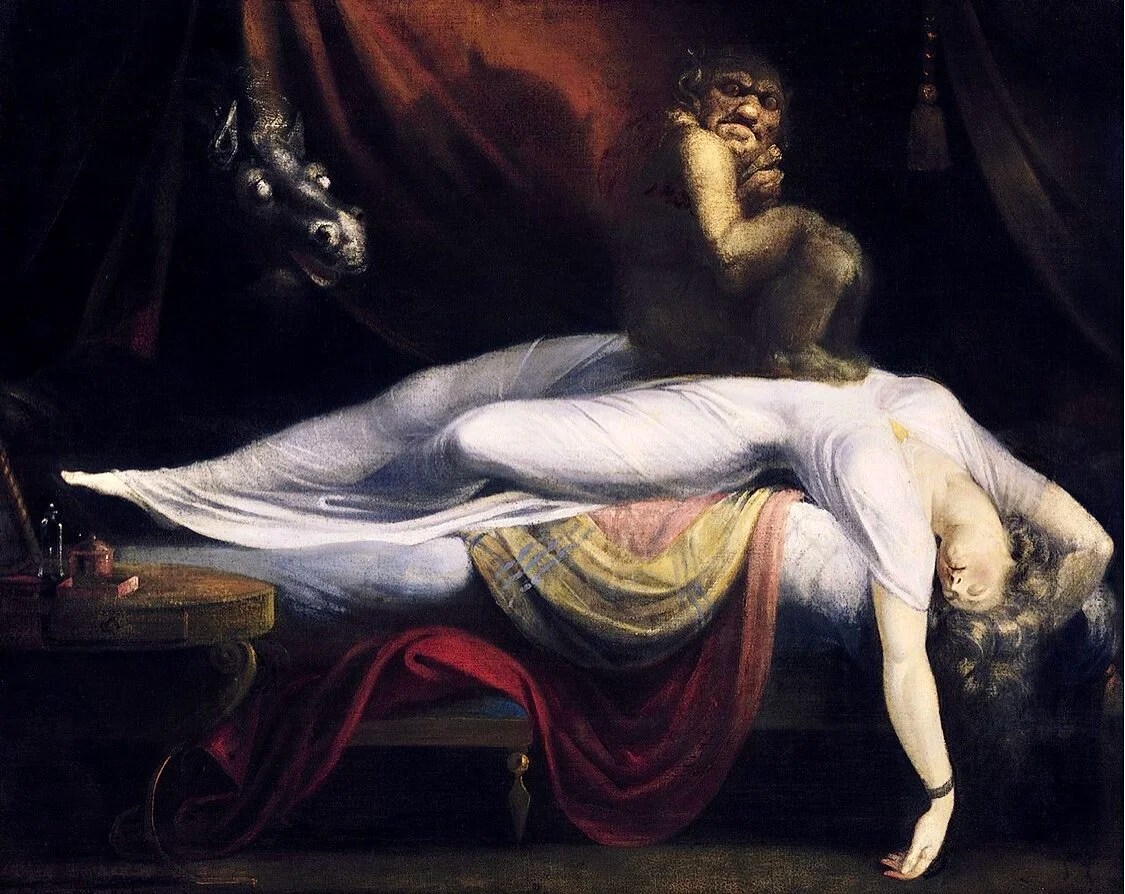
Henry Fuseli, The Nightmare, 1781.
From the first time this painting was exhibited, the scene has intrigued audiences as they work to understand the scene and the figures.
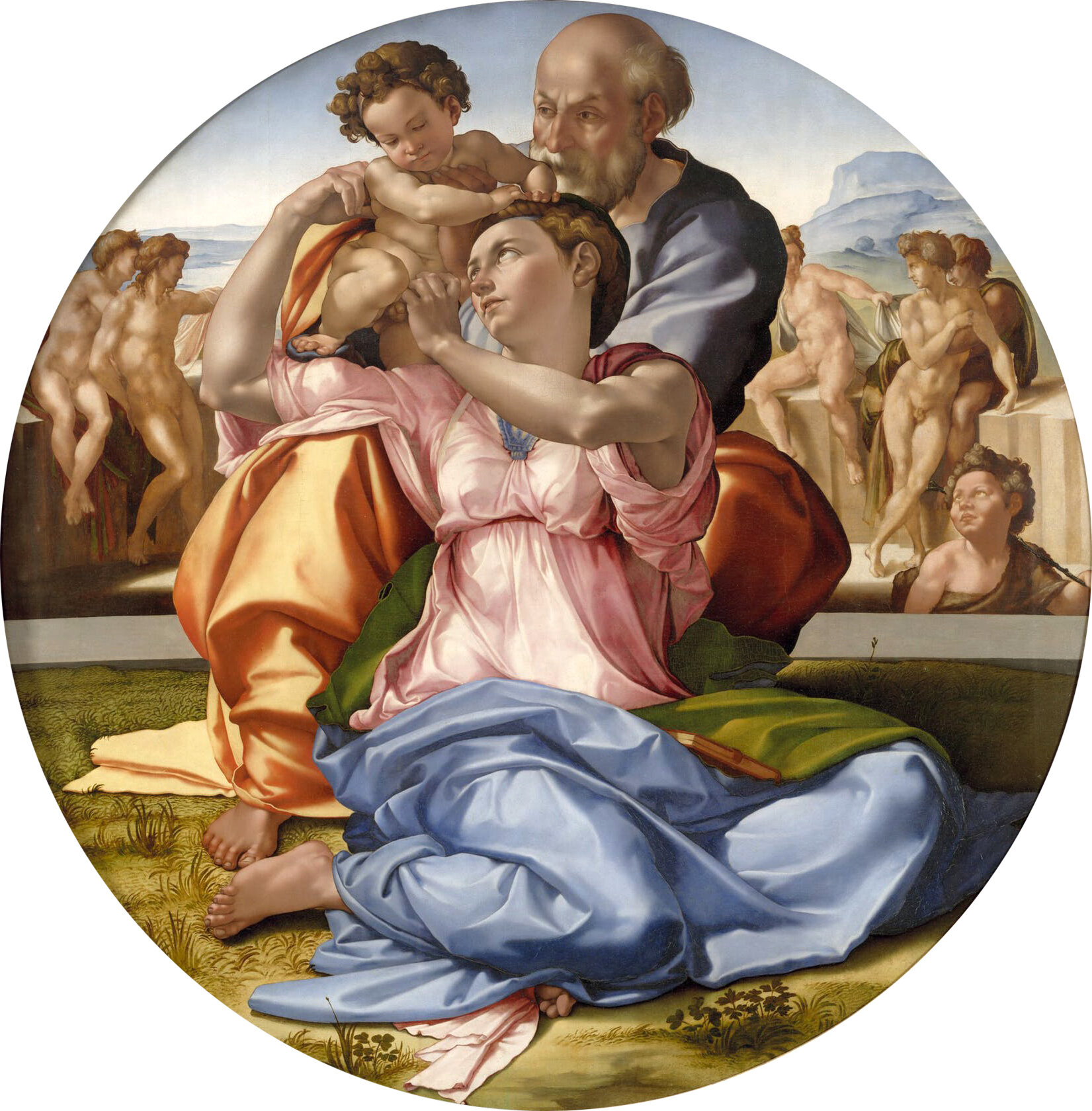
The Doni Tondo by Michelangelo Buonarroti, Galleria degli Uffizi, Florence.
This painting made fools of some of 20th Century art historians. For a long time, they went on and on about how Michelangelo preferred to work in “browns and umbers” based on what they saw in the ceiling of the Sistine Chapel. So, when it was cleaned and all of these bright colors started appearing, the erroneous conclusion that Michelangelo preferred to work in dark colors had to be revised. Given that a work like the Doni Tondo was well known, they should not have been surprised.

Still Life, watercolor by Michael J. Weber.
Lovely realistic watercolor full of color and familiar objects.
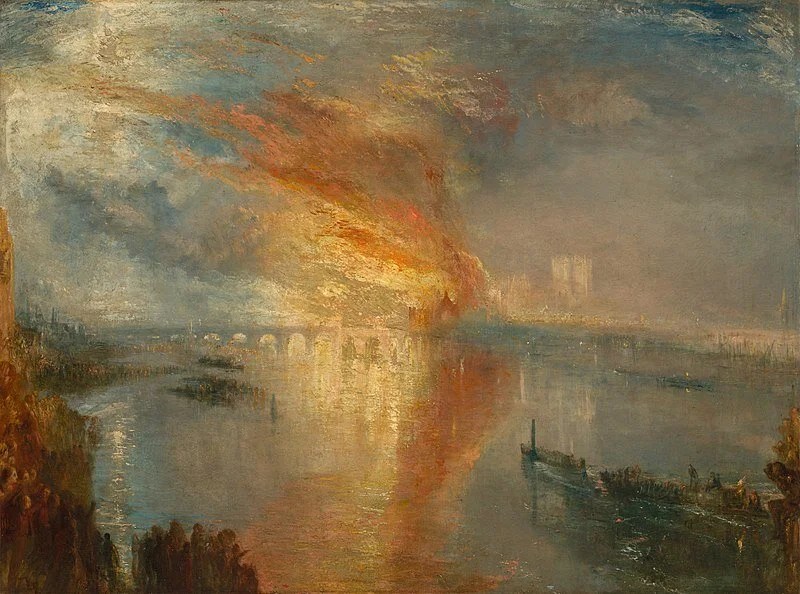
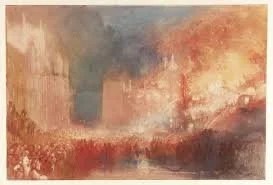
The Burning of the Houses of Lords and Commons, October 1834 by JWM Turner, Philadelphia Museum of Art.
A huge event that the whole city turned out to see, Turner recorded the fire at Parliament at different times of the fire and from different vantage points.