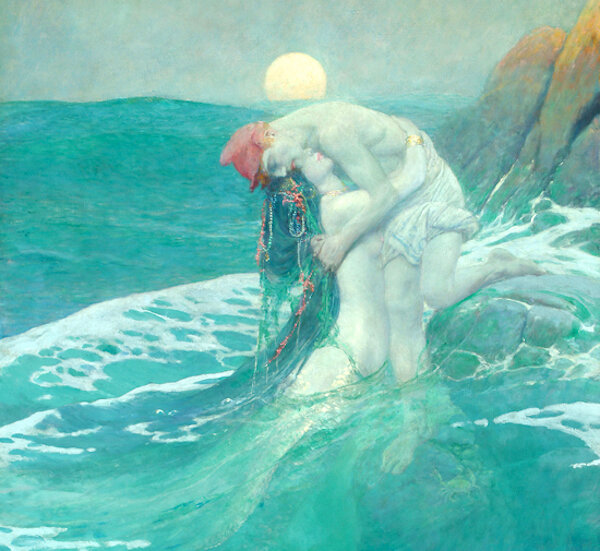
The Mermaid, 1910 by Howard Pyle, The Delaware Museum of Art.
This was the painting Pyle was working on when he sailed for Italy to study mural painting by studying the Italian Renaissance masters. He died while in Italy.
The Mermaid, 1910 by Howard Pyle, The Delaware Museum of Art.
This was the painting Pyle was working on when he sailed for Italy to study mural painting by studying the Italian Renaissance masters. He died while in Italy.
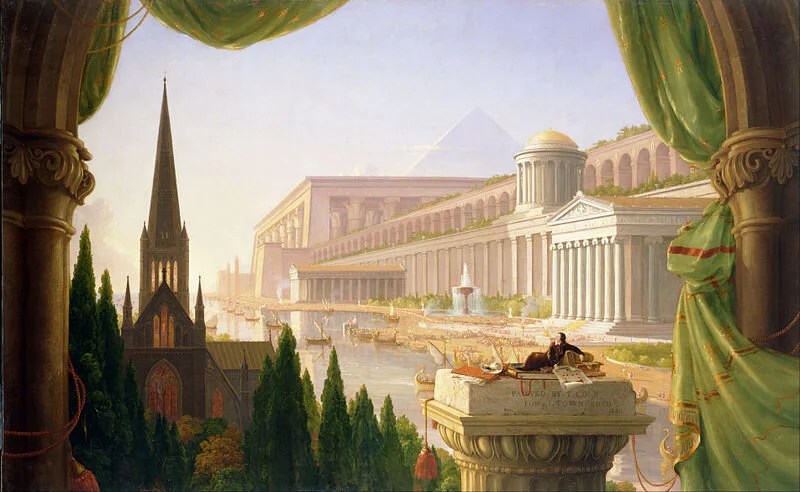
The Architect’s Dream, 1840 by Thomas Cole, The Toledo Museum of Art.
On my final for intro to art history, I would always include this work which the students had not seen before and ask them to identify at least five styles of architecture – it was fun and a good way to end the exam.
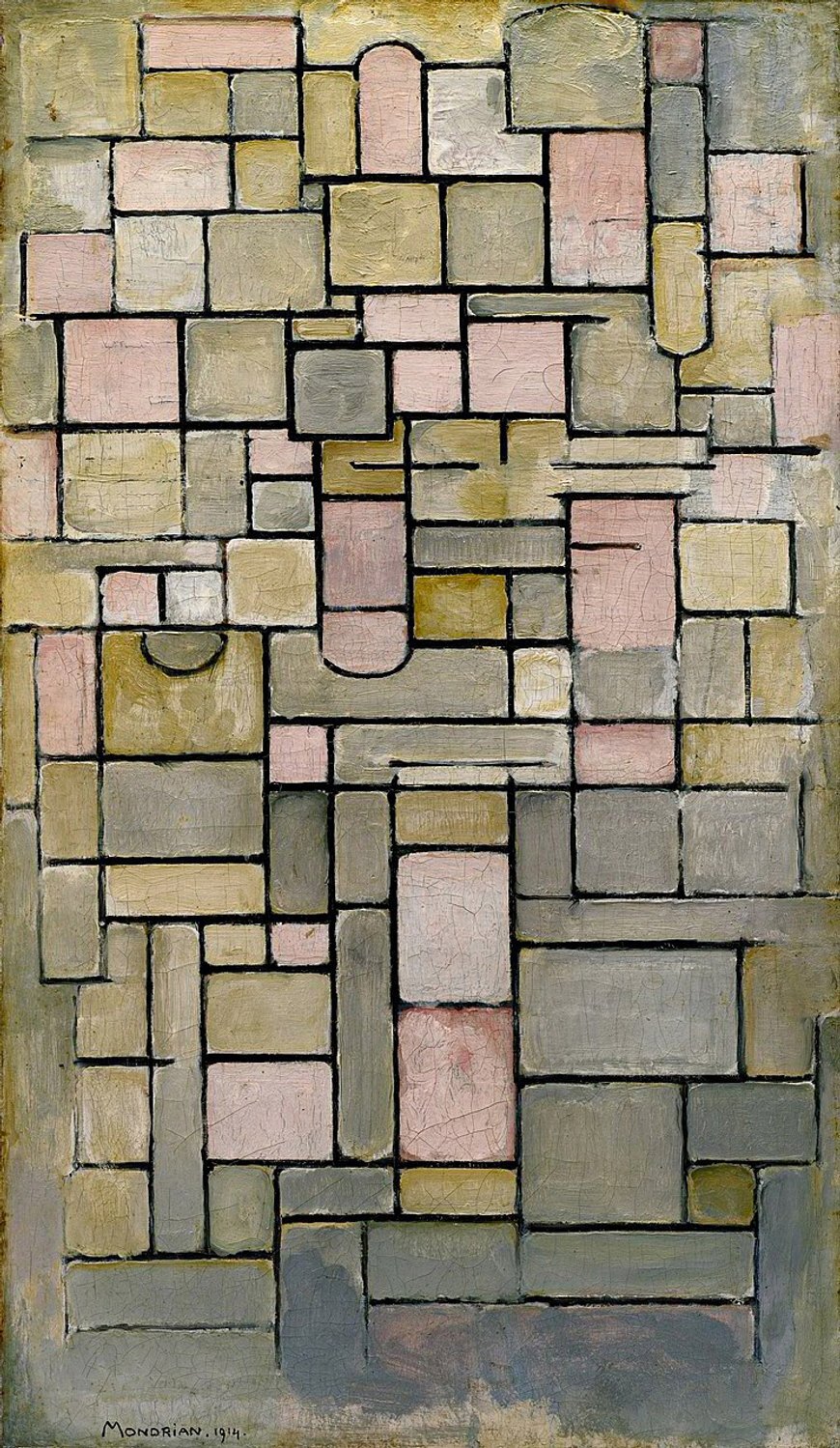
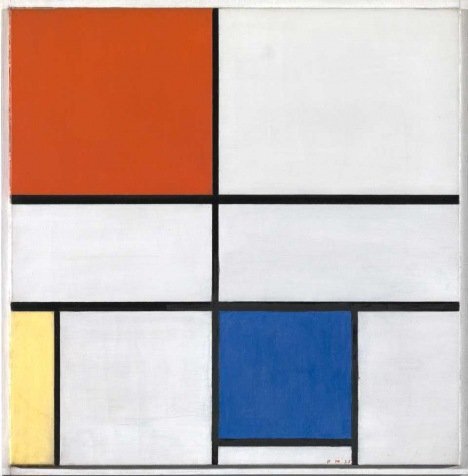
Composition 8, 1914 by Piet Mondrian, The Guggenheim Museum, NYC.
This is Mondrian’s interpretation of a tree after seeing the cubist work of Braque and Picasso. He eventually took it to an even more abstract level.
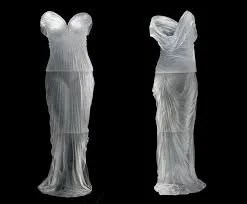
Dress 3 by Karen LaMonte, 2001. Fine Arts Museums of San Francisco.
LaMonte honors women, dresses and the art of glass in her work. You see the body beneath the garment, but the garment really is the star of the show.
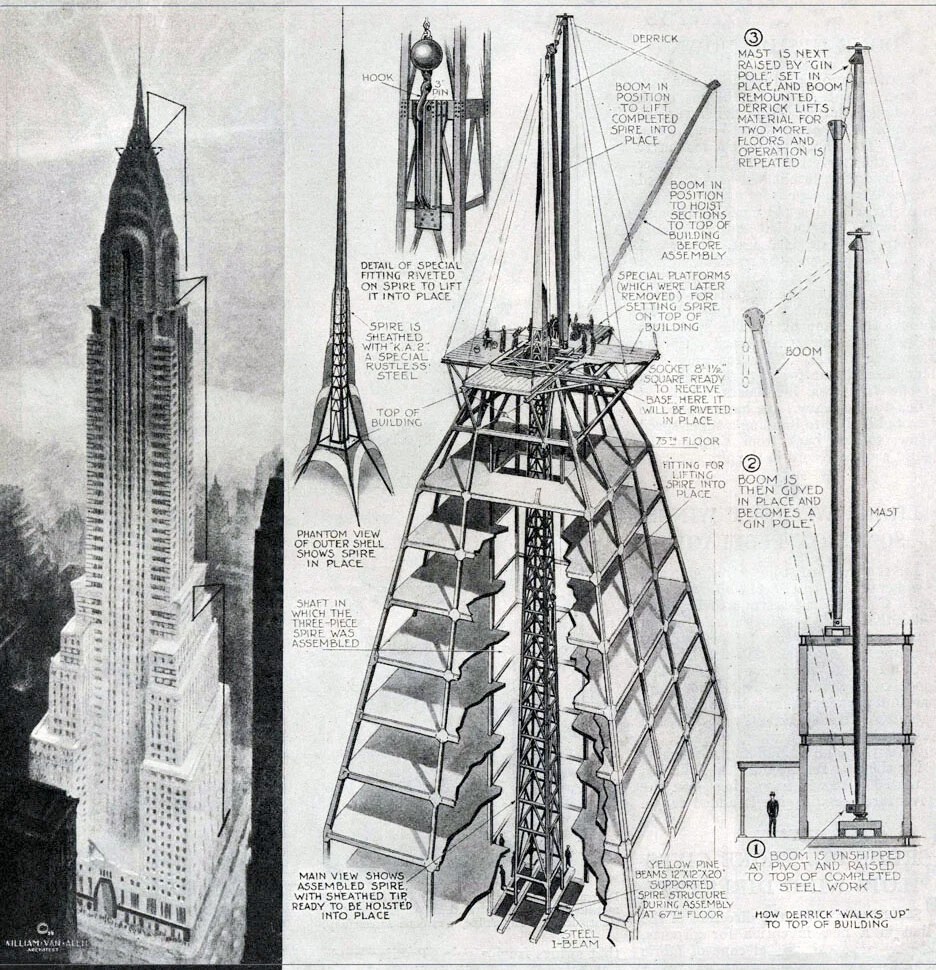
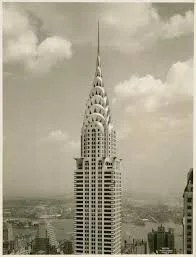
The Chrysler Building, 1930, architect William Van Alen, New York.
An homage to all things modern, the tallest building (until the Empire State eclipsed it one year later), decorated with hubcaps, hood ornaments and steel so shiny it looks like chrome. It remains an Art Deco Icon.
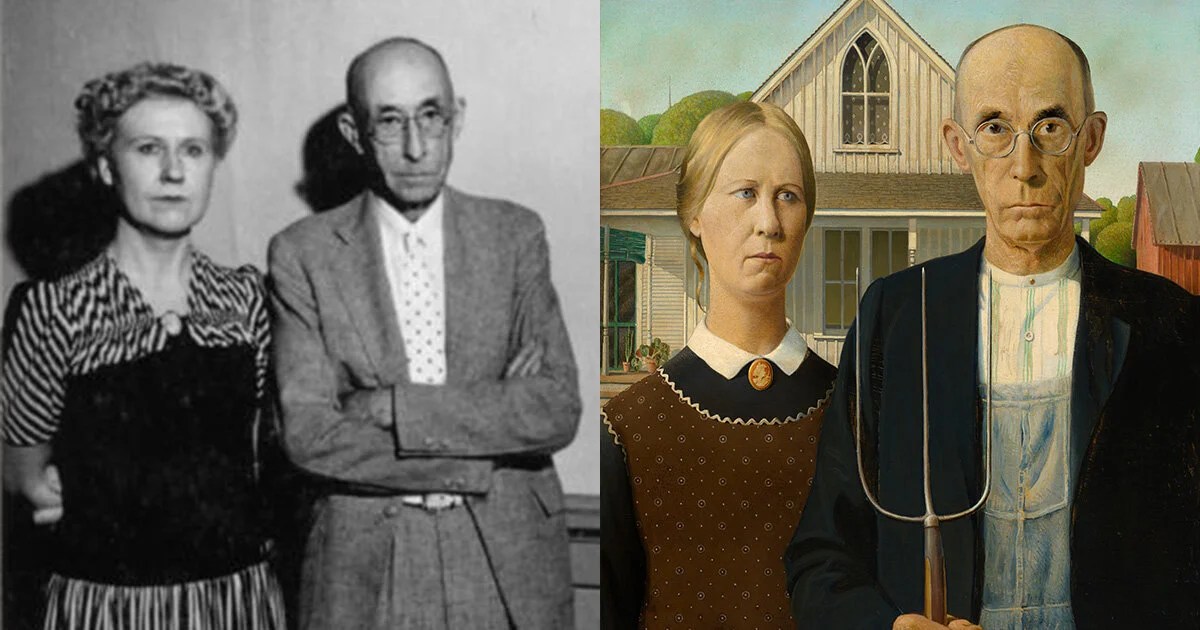
American Gothic, 1930 by Grant Wood, Art Institute of Chicago.
The “Gothic” in American Gothic refers to the window in the background of the painting. It is a style seen in Gothic churches with the point on the top. The woman is Wood’s sister Nan and the man was the town dentist.
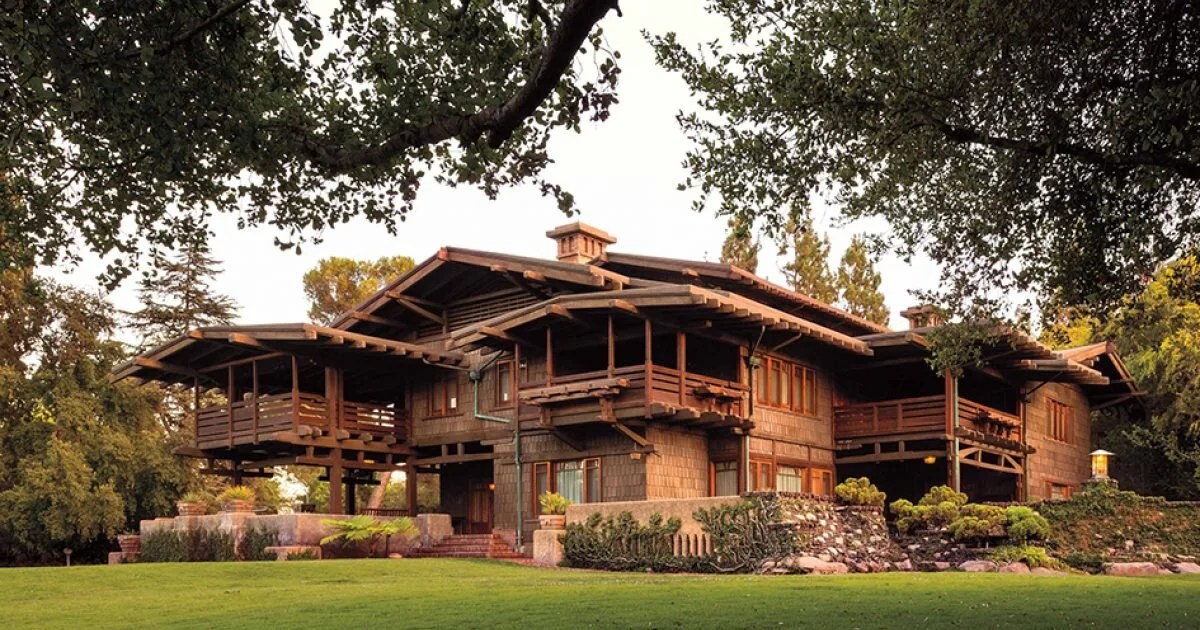
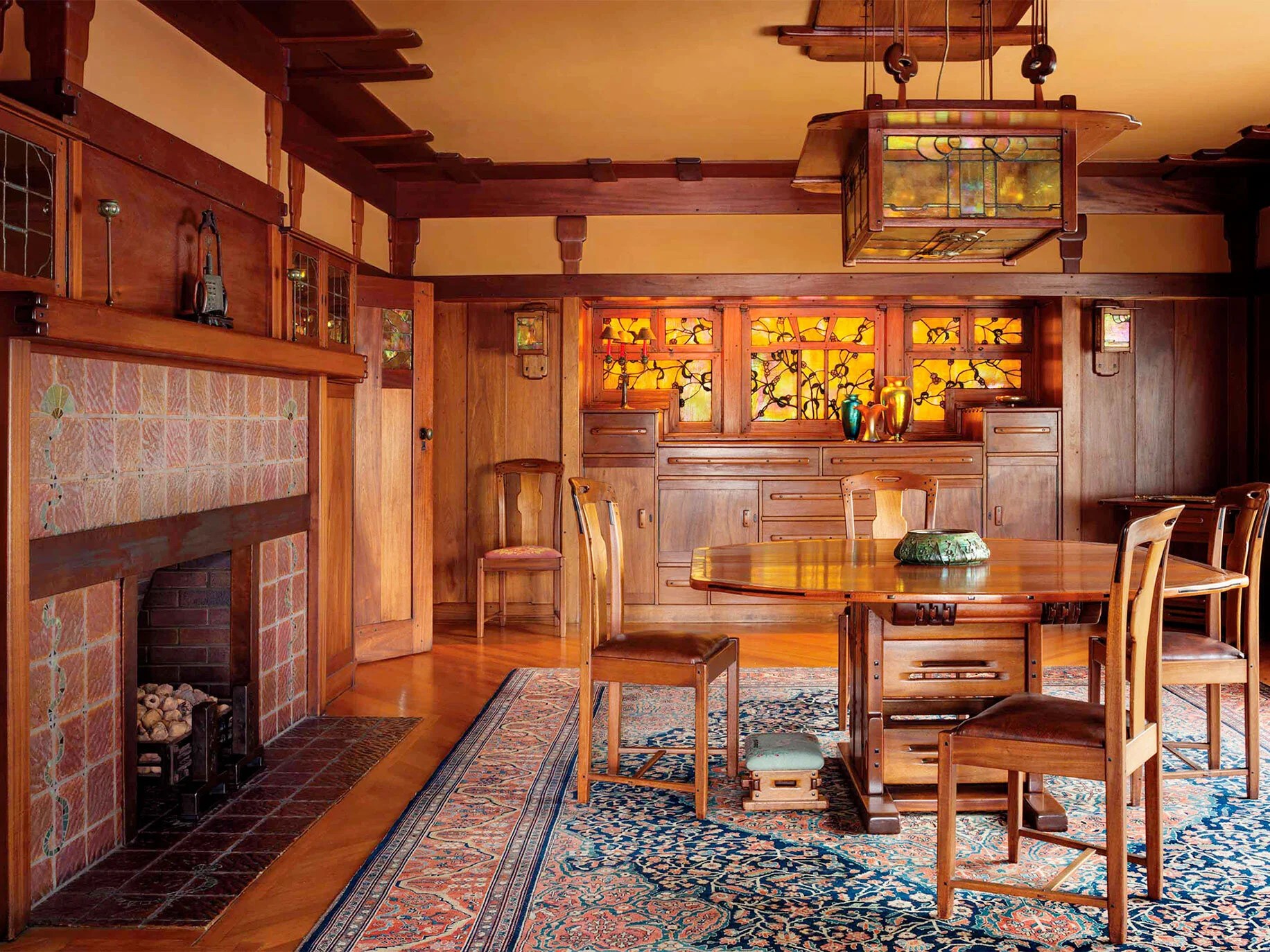
Gamble House, 1908 by Greene & Greene, Pasadena, CA.
A masterful combination of arts & crafts and Japanese aesthetics, the Gamble House is one of the crowning glories of the movement that preached a return to skilled craftsmanship and creating beautiful, useful objects.
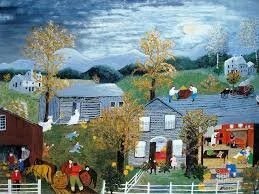
Halloween, 1955 by Anna Mary Robertson “Grandma Moses,” Copyright © 1984 Grandma Moses Properties Co. , The Bennington Museum, Bennington VT.
The Folk Artist known as Grandma Moses was 80 years old when she was “discovered” by a New York art dealer in 1940. For the next 20 years she painted and became a beloved American figure. She created over 1500 works although she did not begin to paint until in her 70’s.
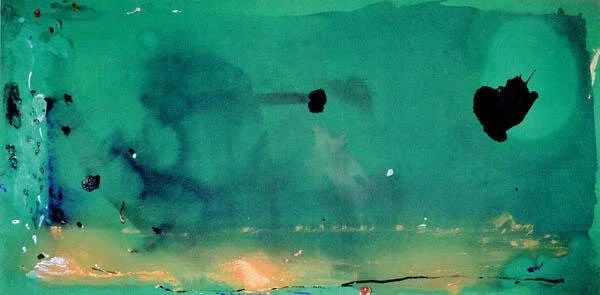
Madame Matisse, 1983 by Helen Frankenthaler, University Art Museum, University at Albany State University of New York
Frankenthaler was strongly influenced by Pollock, but took his methodology down a different road when she used raw canvas and began to work with the stains the paint caused as it soaked in.
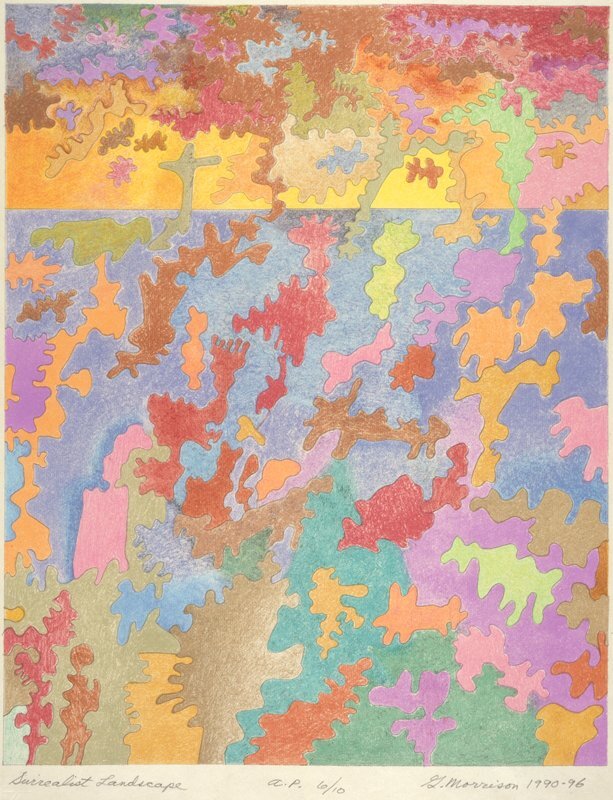
Surrealist Landscape1990 – 1996 by George Morrison, The Minneapolis Institute of Art.
Morrison was born a Chippewa Native American who was then trained in the European/American style at the Art Students League in New York in the 1940’s. The same place that turned out Jackson Pollock and many other Abstract Expressionists. His work shows these influences with a reverence for nature combined with a free-form style.

