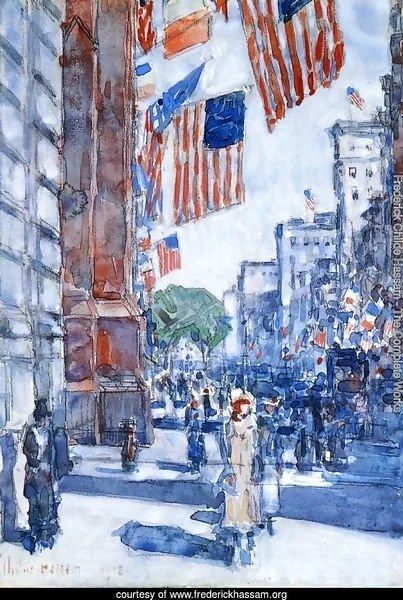
Flags, Fifth Avenue by Childe Hassam, 1918, Dallas Museum of Art
We need to unite behind the Flag as Americans more then ever right now.
Flags, Fifth Avenue by Childe Hassam, 1918, Dallas Museum of Art
We need to unite behind the Flag as Americans more then ever right now.
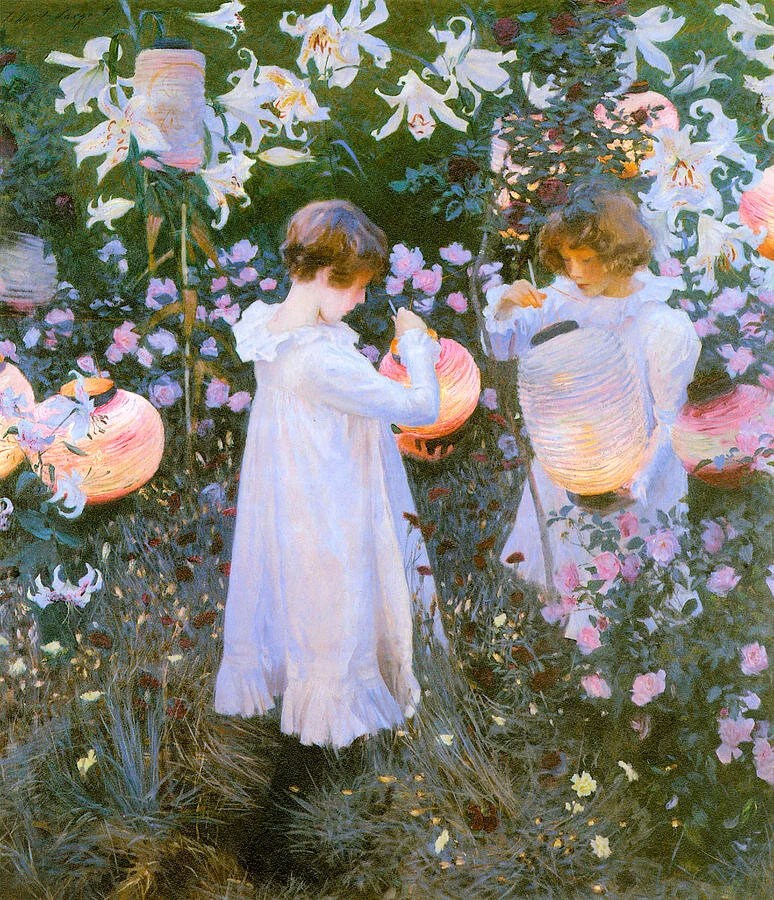
Carnation, Lily, Lily, Rose, 1885-6 by John Singer Sargent, Tate Gallery, London.
While on a boat trip with his friend Edwin Austin Abbey Sargent saw some Chinese lanterns hanging and decided to use them in a composition. This image has proven to be one of his most popular ones. The combination of beautiful flower, children and the lanterns really appeal to people.
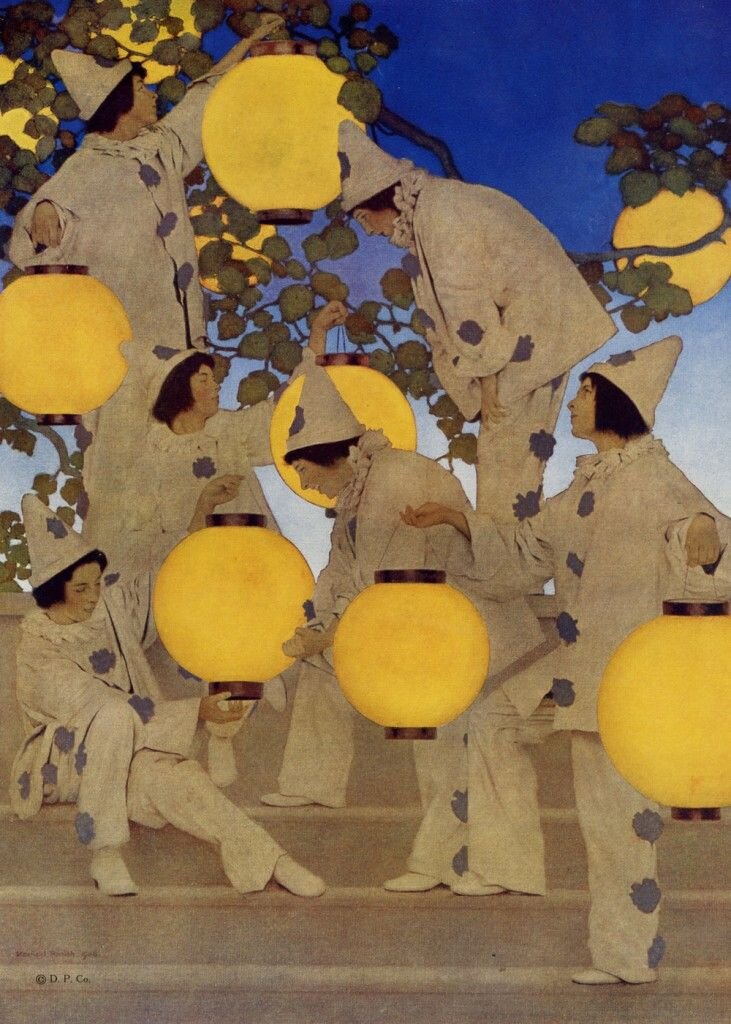
The Lantern Bearers by Maxfield Parrish
Primarily a book illustrator Parrish’s work has become very popular in recent years owing to its beautiful and colorful narrative scenes. This work was an illustration for Eugene Field’s Poems of Childhood.
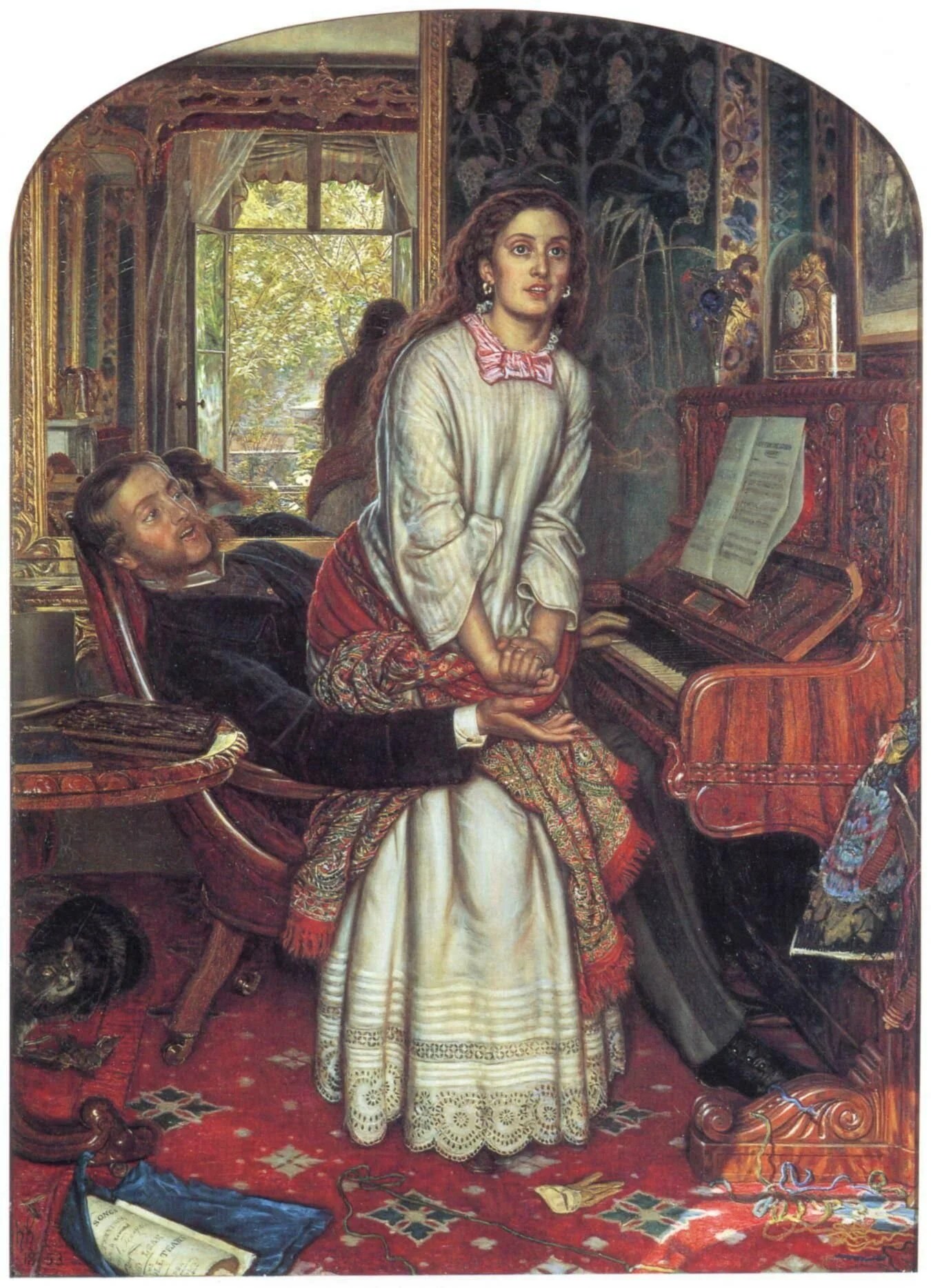
The Awakening Conscience, 1851-53 by William Holman Hunt, Tate Gallery, London.
Hunt shows us a young woman who has seen the error of her ways just in time to save herself – it is explained that the song they are singing reminds her of her girlhood home and that what she is doing is wrong. Hunt was a deeply religious man and his faith drove his art.
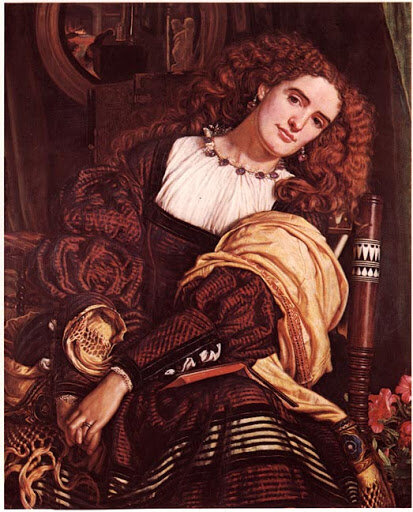
Il Dolce Far Niente, 1866 by William Holman Hunt, Private Collection.
The title can be translated into something akin to the joy of doing nothing. The model who sat for this work eventually became his wife, her name was Fanny Waugh. The original model for this work was a woman named Annie Miller whom Hunt also wanted to marry, but their romance crumbled when she would not stop modeling for other artists.

Liza Lou, Color Field, 2013, glass beads, stainless steel, Perspex, , 20 x 26 feet (dimensions variable). , Courtesy the artist. © Liza Lou 2010-2013. Photo credit: Dean Eliot.
Artist Liza Lou’s works with beads which appeals to me because I make jewelry using beads. This piece is from an exhibition last year where she used thin pieces of wire each with a single color of beads that were then put together in patterns.
Liza Lou, Kitchen, 1990–95. Whitney Museum of American Art, New York
I first saw her Kitchen at the Akron Art Museum and was blown away by the amount of beads and time it must of took to complete at life-size room. She had people helping her with the beading or she would probably still be working on it.
Detail of the sink from Kitchen.
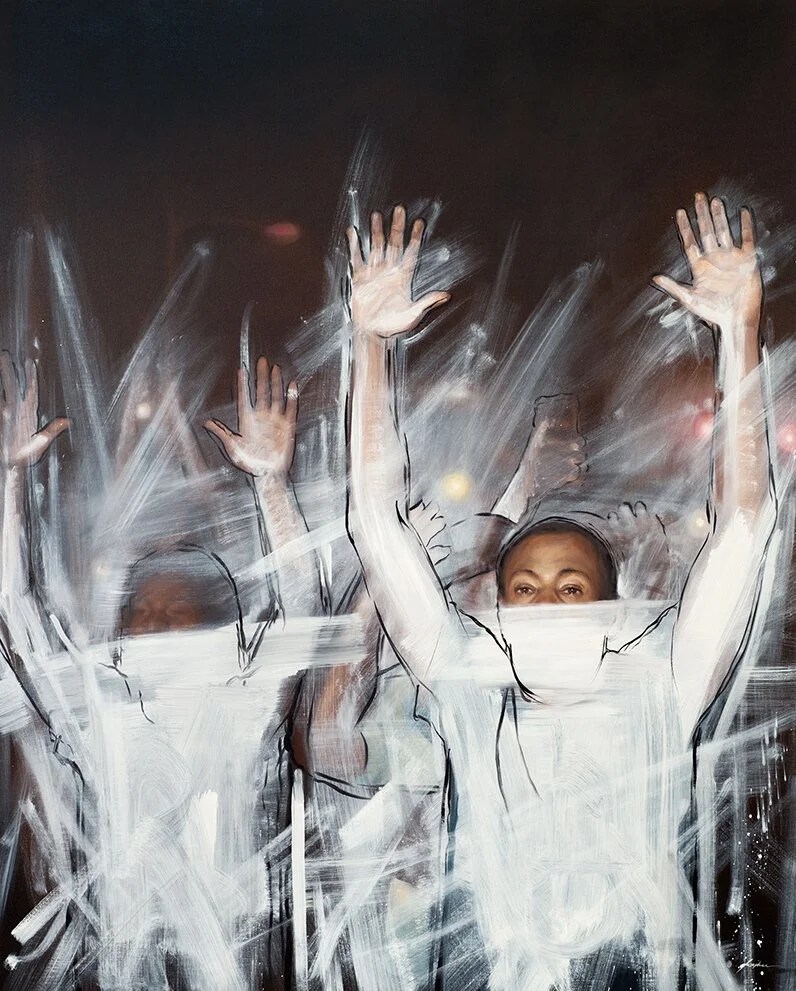
Yet Another Fight For Remembrance by Titus Kaphar, 2014
Time Magazine commissioned African-American artist Titus Kaphar to create a work after the Ferguson Protests in Missouri in 2014. The protests were sparked by the fatal shooting of Michael Brown by Police Officer Darren Wilson.
I feel an affinity to Kaphar as he and I are both from Michigan and were both introduced to the study of art history in Community College. He infuses his work with art and history and and makes his own voice and the voice of modern African-Americans heard in this work, as well. His art is very important, especially these days, as it reminds us we need to look backwards and know history, in order to move forward.
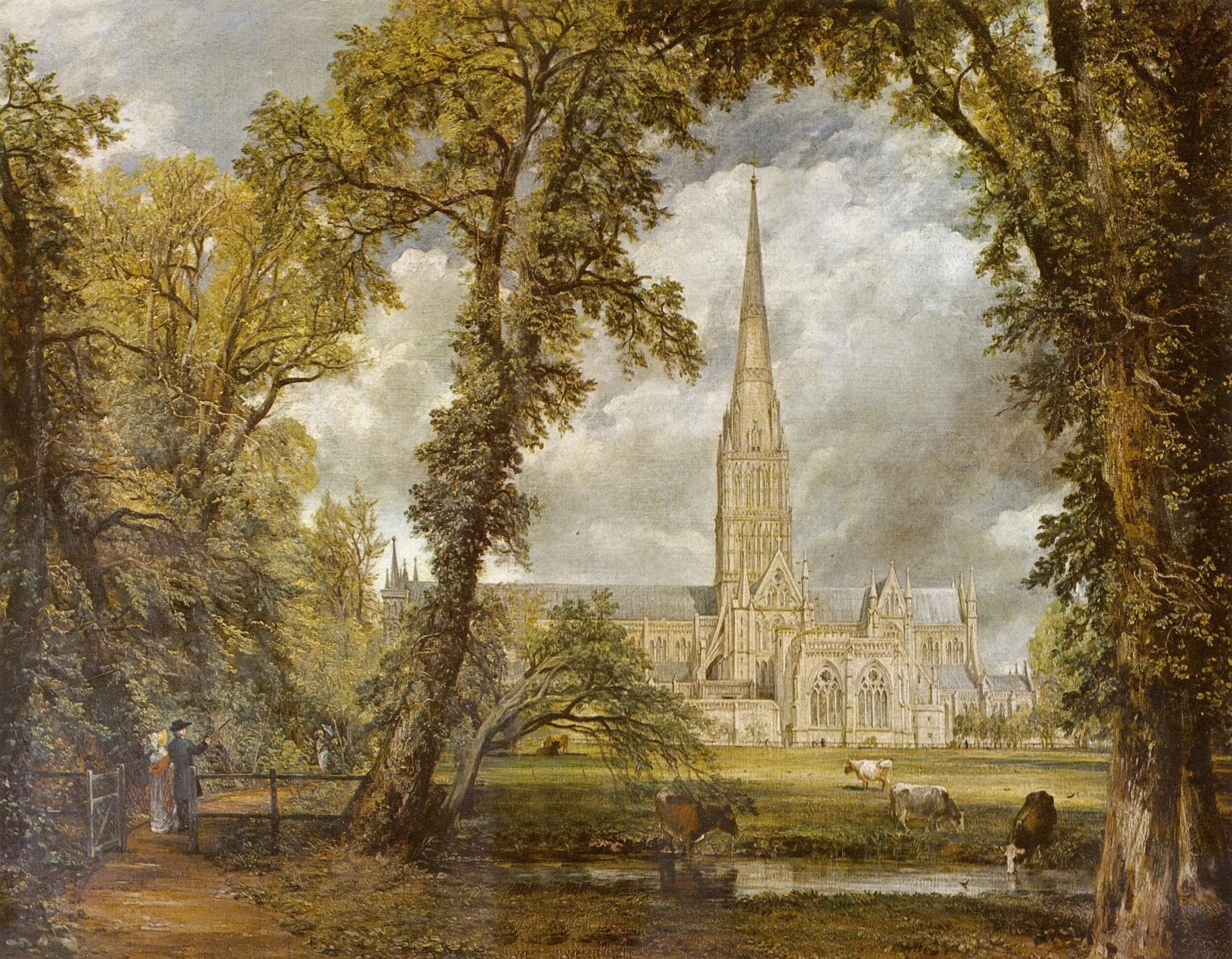
Salisbury Cathedral from the Bishop’s Grounds, ca. 1825 by John Constable, The Metropolitan Museum of Art.
This one is a favorite of mine by Constable because the cathedral is so clear and detailed.
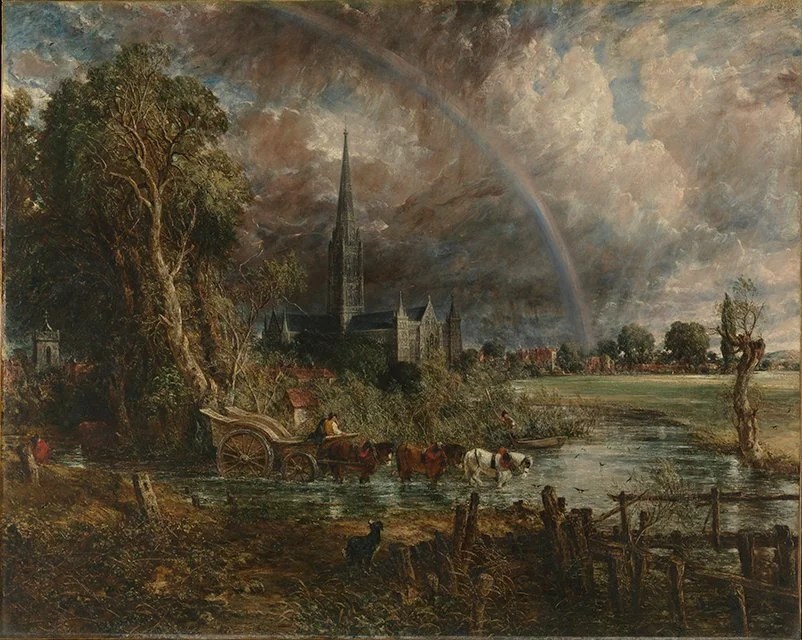
Salisbury Cathedral from the Meadows, 1831 by John Constable, Tate Britain.
This version of the cathedral is the most “romantic” with the horse and cart in the foreground and the rainbow in the background, which was apparently a later addition to the work.
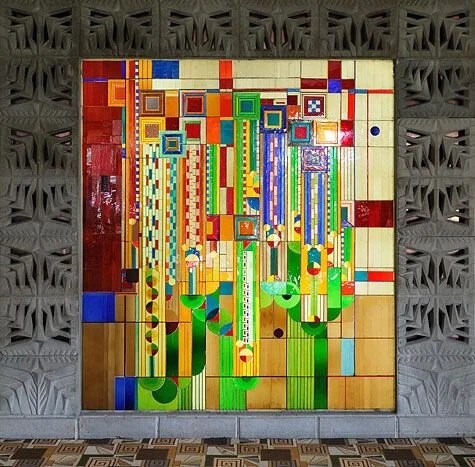
Stained Glass Panel in Frank Lloyd Wright’s Style at Arizona Biltmore, Phoenix.
Frank Lloyd Wright always liked to create an entire environment in his buildings and homes. He designed furniture, rugs, light fixtures, stained glass, pottery, fabrics – whatever a home would need. His student Albert McArthur, who collaborated with Wright on the design, included a glass panel typical of his teacher’s style that now serves as a beautiful focal point at the entrance.

