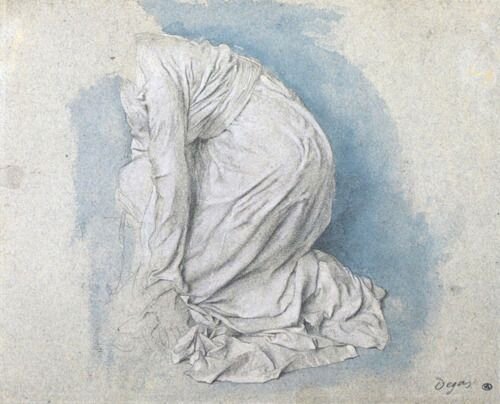
Drapery Study for Semiramis by Edgar Degas.
Sometimes the studies artist’s do (and often never intend to publish) are the most beautiful.
Drapery Study for Semiramis by Edgar Degas.
Sometimes the studies artist’s do (and often never intend to publish) are the most beautiful.
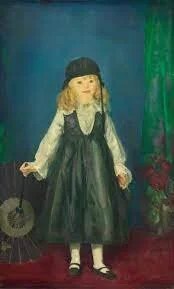
Anne with a Japanese Parasol, 1917 by George Bellows.
Bellows did quite a few portraits of his family and friends. This is his oldest daughter. He was a member of the group known as The Eight and a teacher at the Art Students League.
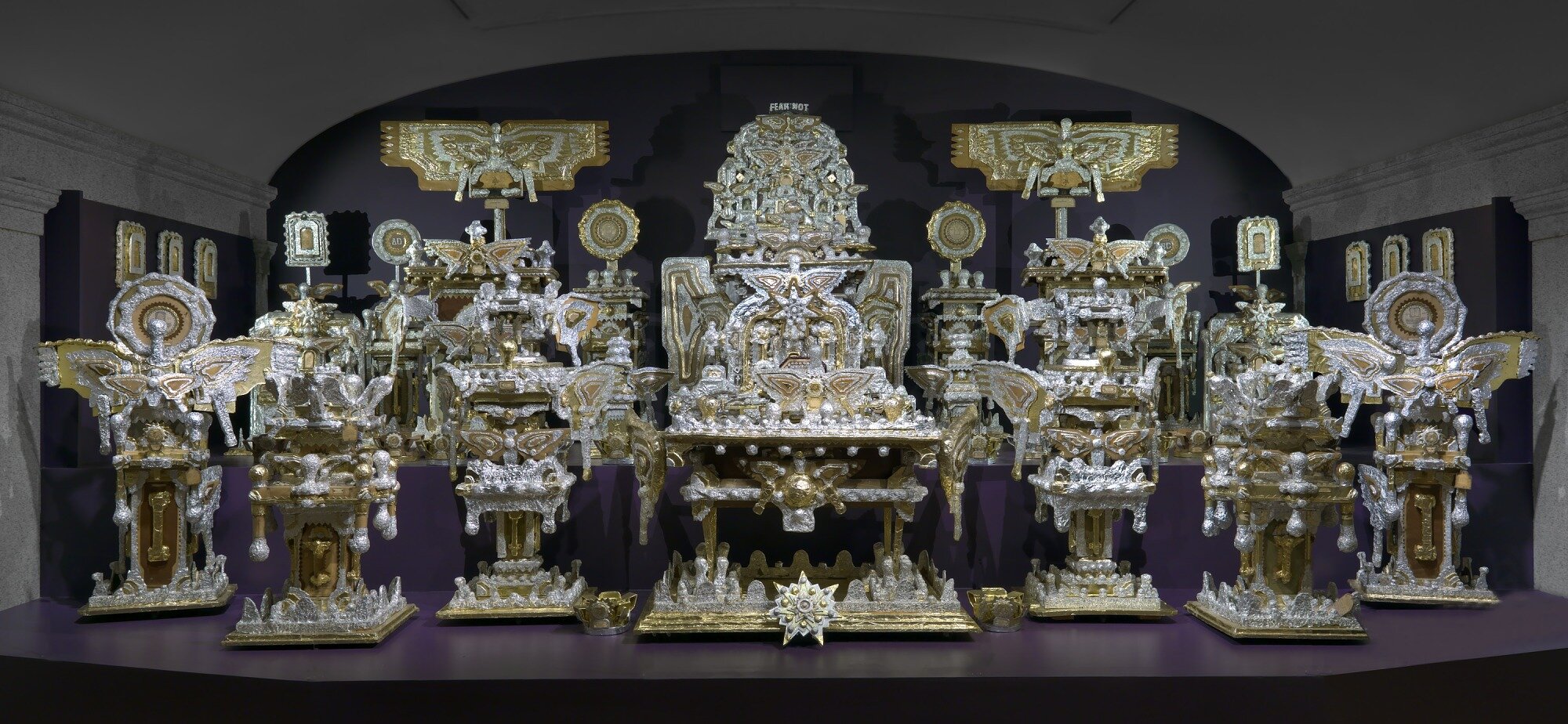
Throne of the Third Heaven of the Nations’ Millennium General Assembly, c. 1950-64 by James Hampton, The Smithsonian.
James Hampton worked as a Janitor to earn a living all his life, on his off time he was compelled to create art to express his strong religious beliefs. He made this assemblage out of discarded furniture, flashbulbs, wrapped in gold and silver foil and purple tissue paper.
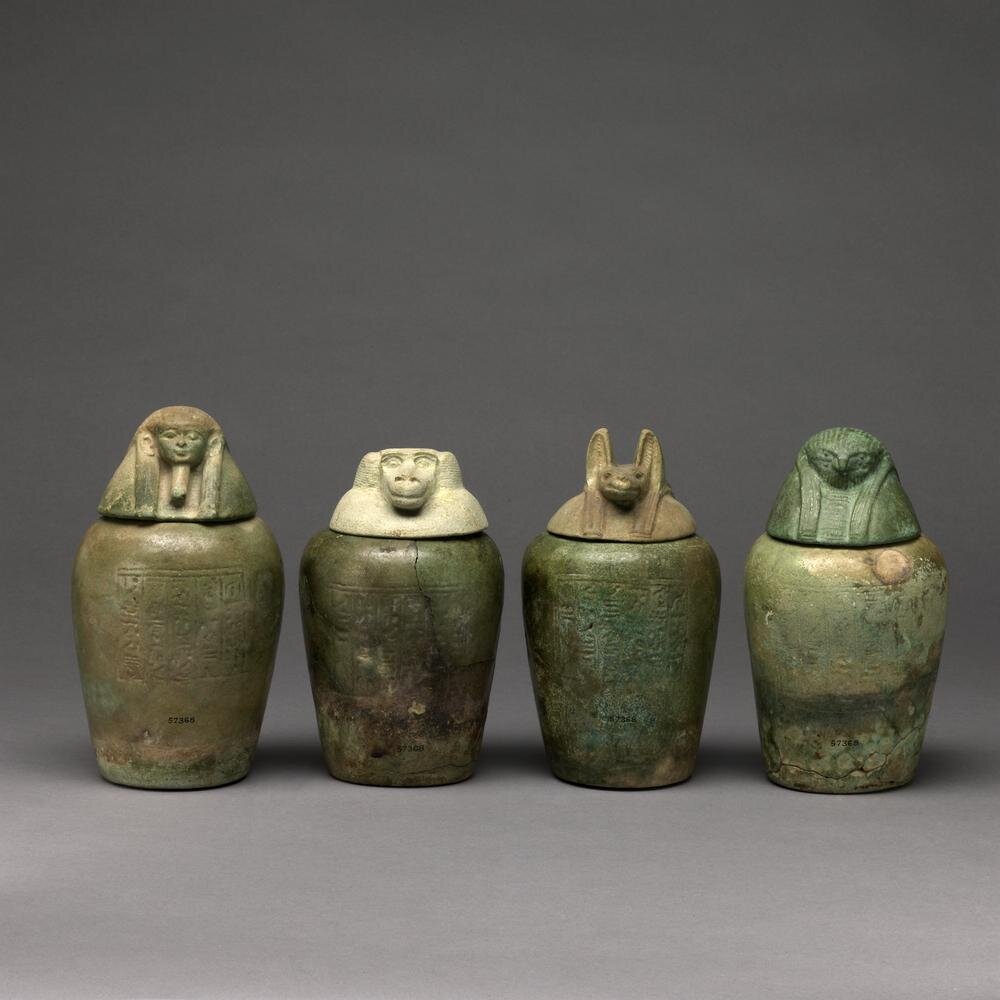
Set of Canopic Jars, c. 1069-945 BC, Egyptian 30th Dynasty.
These jars were used to store the internal organs, removed for mummification. They stored the liver, lungs, stomach and intestines. They represent the four sons of the god Horus and were to protect the organs inside.
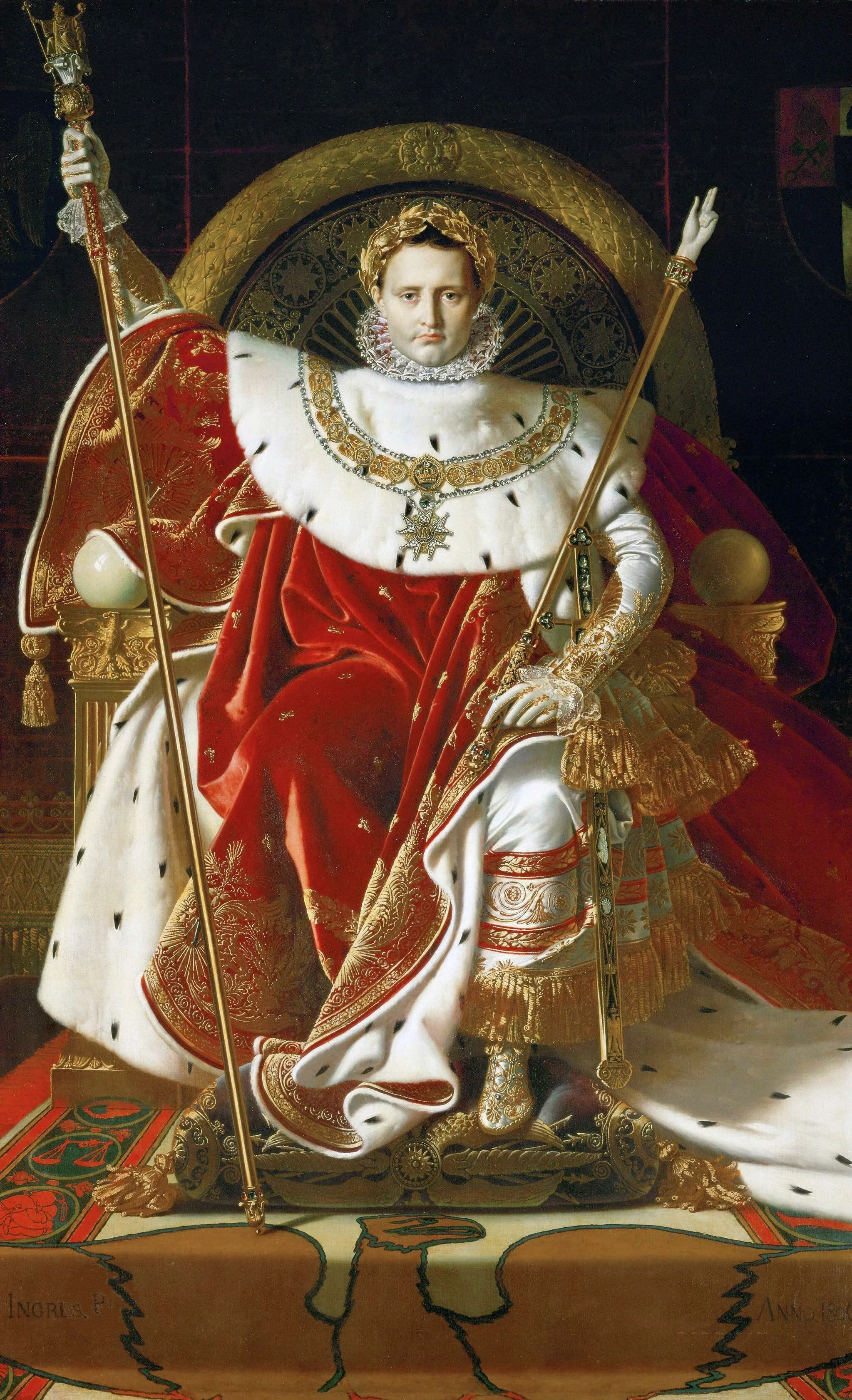
Napoleon I on his Imperial Throne, 1806 by Jean-Auguste-Dominique Ingres.
Ingres’ state portrait of Napoleon the I is one of the most commanding ever done. He was a young man and a student of Jacques-Louis David when he painted this work.
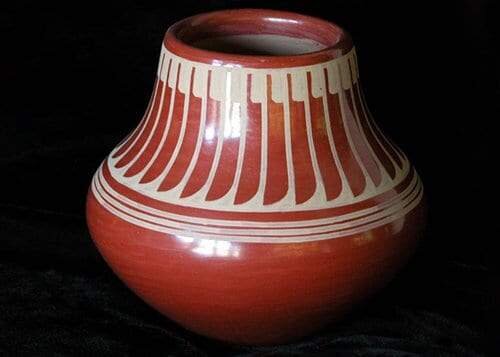
Pot, 20th Century, Maria Martinez, The Millicent Rogers Museum, Taos NM.
Maria Martinez came from a long line of potters and kept up the tradition in her own family. The Millicent Rogers Museum received a wonderful collection of this family’s work. Rogers was a great supporter of Native American artists during her lifetime and the museum is her former house which features her collections and special exhibitions.
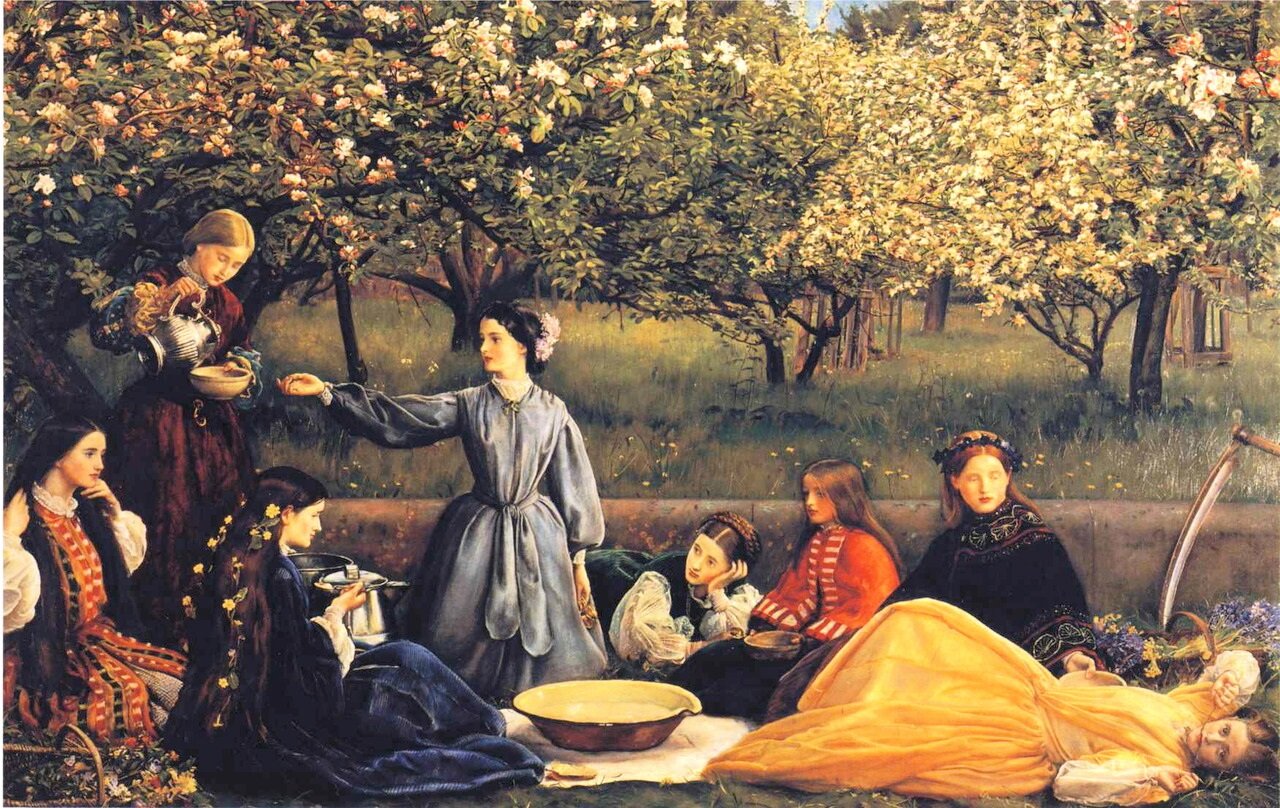
Spring (Apple Blossoms) by John Everett Millais.
Millais is one of the founding members of the 19th century British artist group known as the Pre-Raphaelite Brotherhood. He achieved the most fame of the group and eventually came to lead the Royal Academy he had rebelled against.
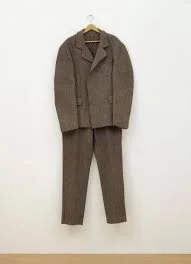
Felt Suit by Josef Beuys.
Beuys’ work is difficult for many people to classify as “art.” He believed in exalting everyday objects and in the healing powers of art. His felt suit represented one he wore to a protest of the war in Vietnam and to him it symbolized political change.
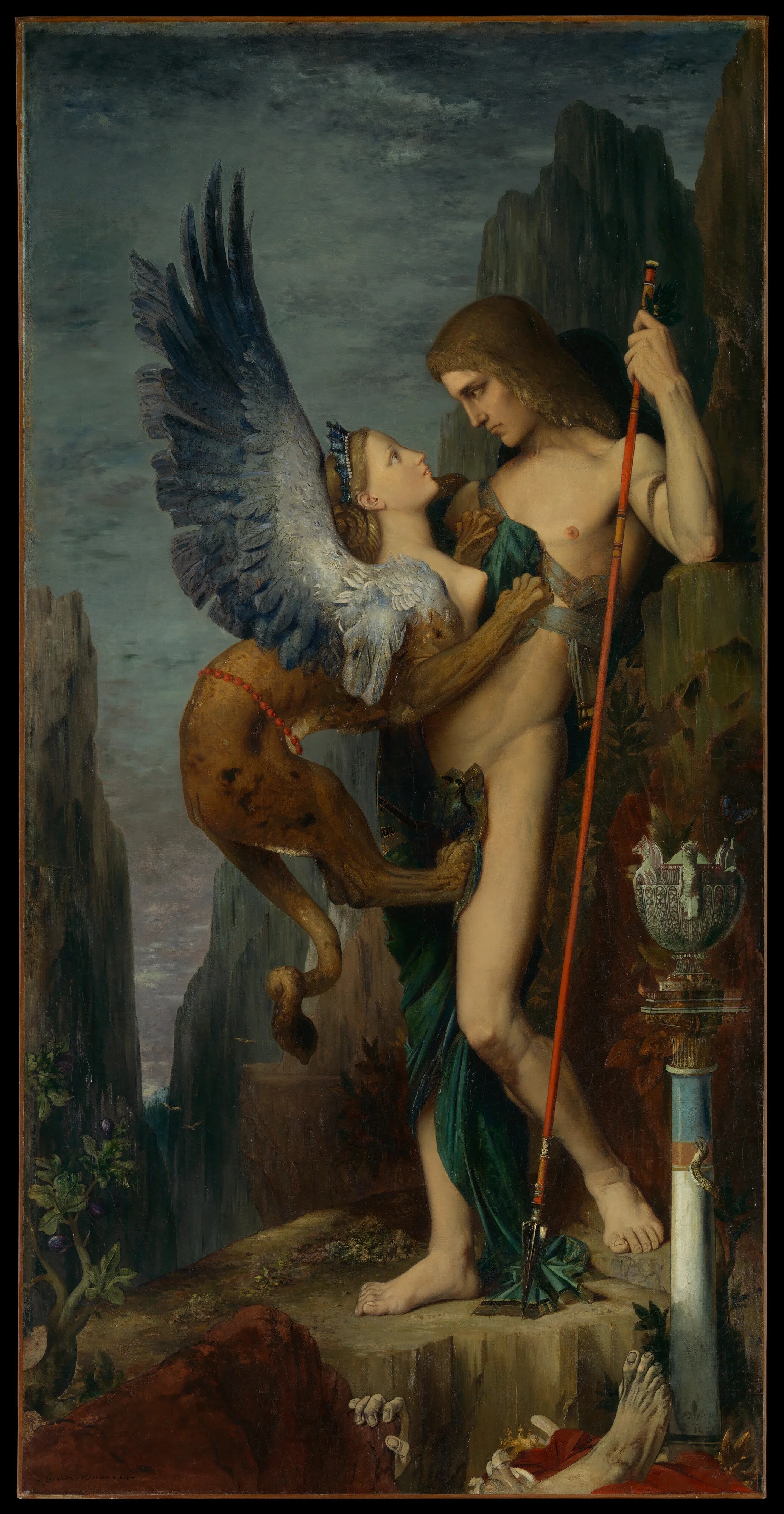
Oedipus and the Sphinx by Gustav Moreau, The Metropolitan Museum of Art.
Moreau captures the tension as the Sphinx asks Oedipus that simple riddle that eluded so many before him.