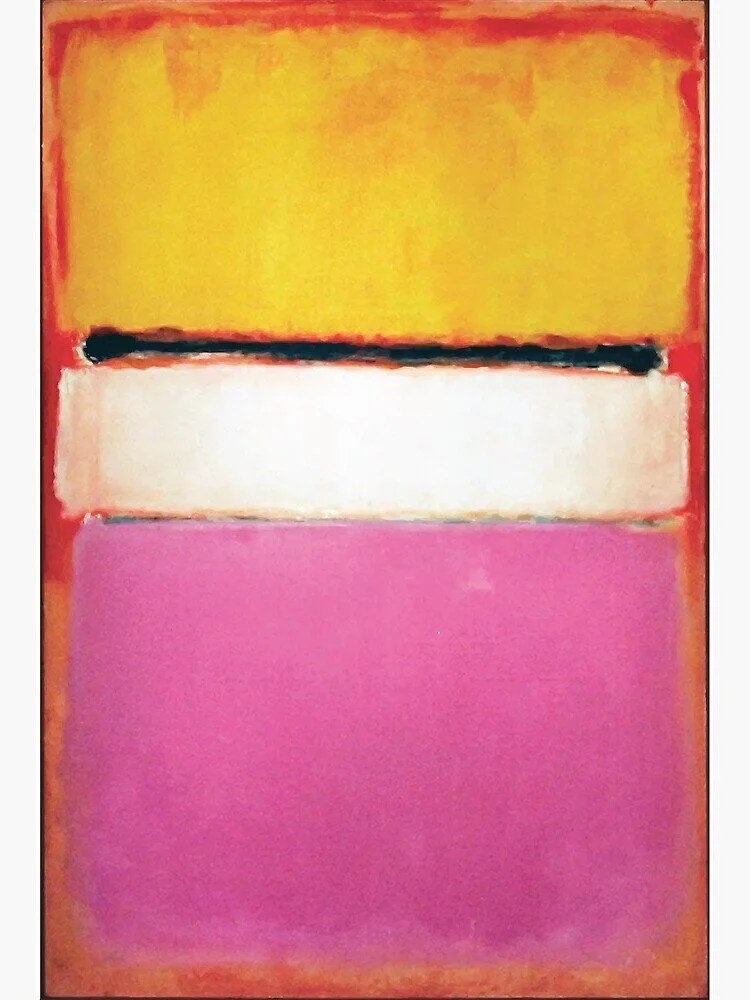
White Center, 1950 by Mark Rothko.
A member of the New York School that emerged in the mid 20th century, Mark Rothko has come to be regarded as one of America’s greatest artists. He had his first solo exhibition in 1961.
White Center, 1950 by Mark Rothko.
A member of the New York School that emerged in the mid 20th century, Mark Rothko has come to be regarded as one of America’s greatest artists. He had his first solo exhibition in 1961.
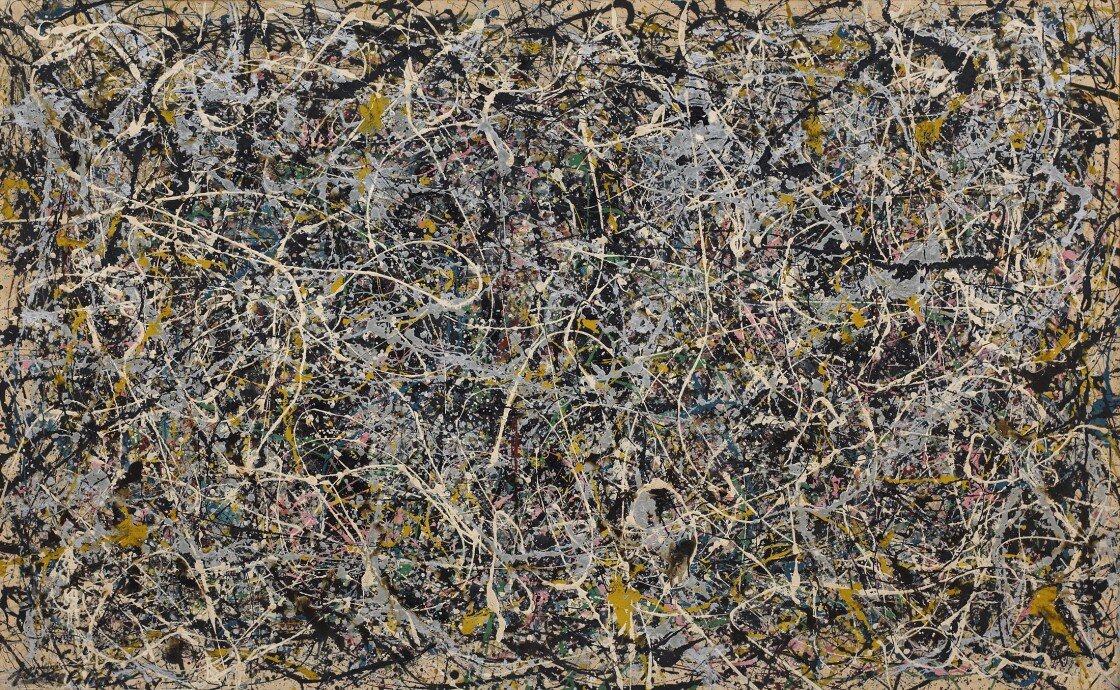
Number 1, 1950 by Jackson Pollock.
There is a lot of controversy surrounding a recent collection of Jackson Pollock’s work. Read more about the paintings to be attributed to him. Provenance
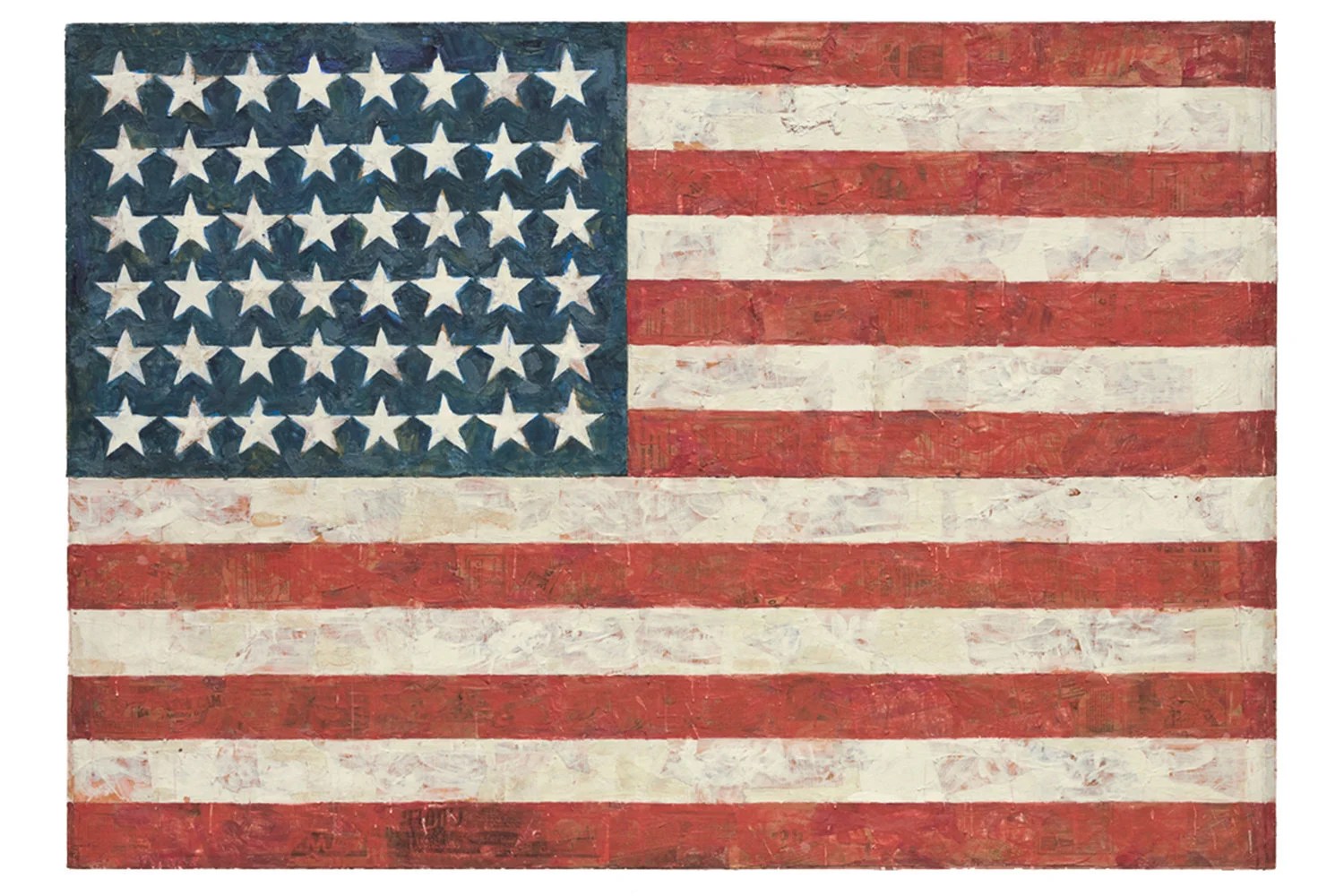
Flag, 1954-55 by Jasper Johns, The Museum of Modern Art, New York /VAGA.
Johns representative artwork was a contrast to the work of the Abstract Expressionists before him. His re-worked images of everyday objects led the way for Pop Art.
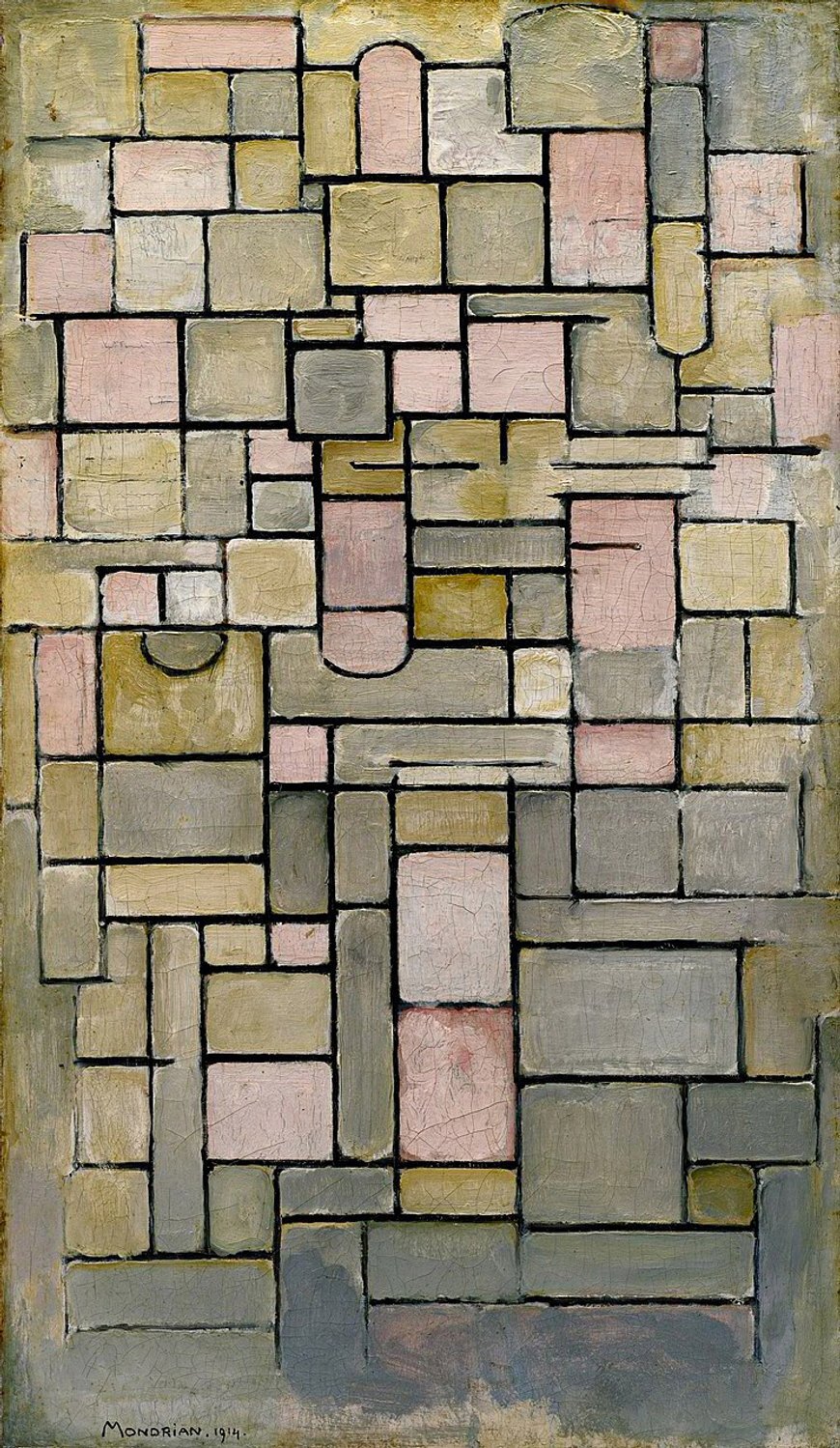
Composition 8, 1914 by Piet Mondrian, The Guggenheim Museum, NYC.
This is Mondrian’s interpretation of a tree after seeing the cubist work of Braque and Picasso. He eventually took it to an even more abstract level.
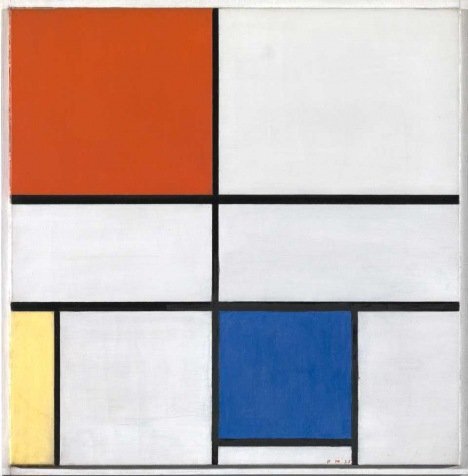
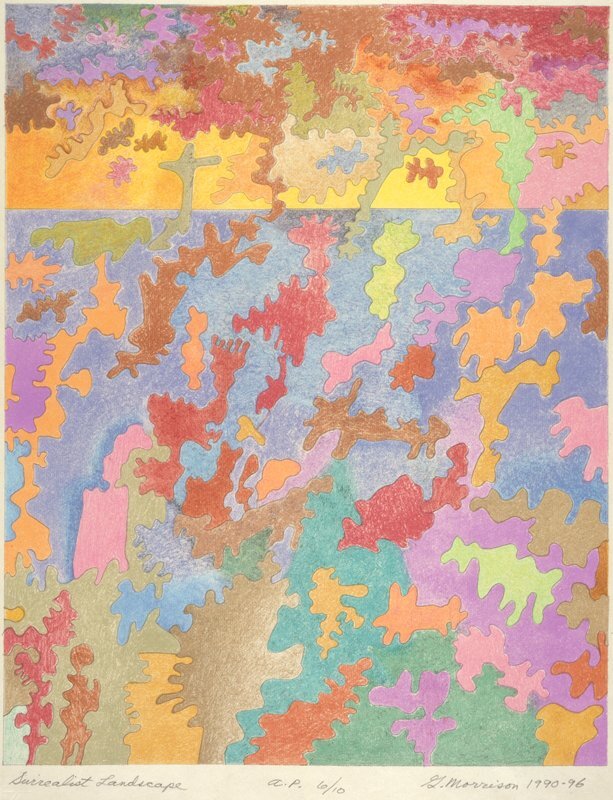
Surrealist Landscape1990 – 1996 by George Morrison, The Minneapolis Institute of Art.
Morrison was born a Chippewa Native American who was then trained in the European/American style at the Art Students League in New York in the 1940’s. The same place that turned out Jackson Pollock and many other Abstract Expressionists. His work shows these influences with a reverence for nature combined with a free-form style.
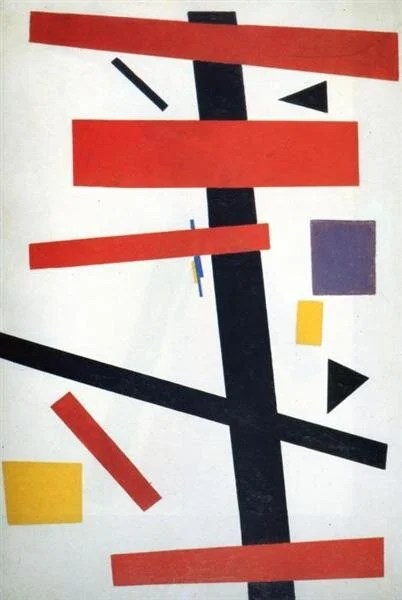
Suprematism, 1915 by Kasimir Malevich, Stedelijk Museum, Amsterdam
Malevich is the Father of the Suprematist movement which led to Abstraction. He considered his ultimate goal to be communication through “non-object” representation, culminating in a final “white on white” painting. He considered the conveying the feeling of a work more important than portraying an object. After the Russian revolution in 1917, he became a teacher and was quite influential on the Bauhaus artists, architects, and designers.
Adolph Gottlieb was one of the founders of the Abstract Expressionist movement. His work went from figural portraits in the 20’s and 30’s, to large amalgamations of images that resemble collages in the 40’s, to stark divided canvases in the 50’s and 60’s. These later works are the ones he is best known for, the ones that require the viewer to study the painting and think about what is not represented, as Gottlieb himself put it,”…the very nature of abstract thought is to reduce the complexity of all
of life and to bring it down to something very simple which embodies all
this complexity”(from an interview of Gottlieb by Martin Friedman, 1962).
That is part of the challenge of Abstract Expressionism, it begs the viewer to invest in the work with their own thoughts and interpretations, and for this reason, many people are put-off by it. Some people would rather have the art do the work and entertain them, or clearly reflect the skill of the artist, and therefore abstract works, which seek to say a lot with very little, leave them wanting more.
Apaquogue is named for a road in East Hampton where the artist had a home.


