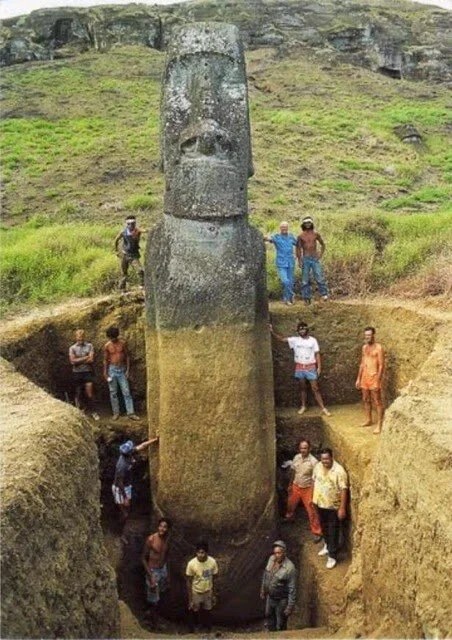
Excavated Moai Photo: Easter Island Statue Project
This article on Artnet features the amazing excavations taking place on Easter Island as the mysterious Moai statues are much more then they appear.
Excavated Moai Photo: Easter Island Statue Project
This article on Artnet features the amazing excavations taking place on Easter Island as the mysterious Moai statues are much more then they appear.

Unikko (Poppy) Design by Maija Isloa for Marimekko, 1965.
Marimekko created some of the most iconic designs from the mid-twentieth century. The bright bold prints created by artists like Isloa were exactly what people were attracted to, with their colors and shapes.
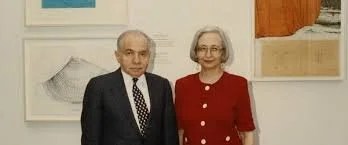
were art collectors. They amassed a collection of over 5,000 pieces of contemporary art from a collection begun in the mid-twentieth century. They did on modest salaries from his job as a postal worker and her as a librarian. Their choices were well-considered and educated, but mostly what they liked, and were drawn to.
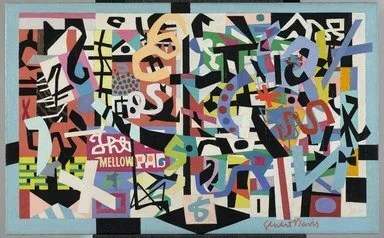
Stuart Davis believed that abstract painting could impart more of the meaning of the work than a straight figurative interpretation. This work is about American jazz and giving a viewer a sense of the relaxed “coolness” inherent in its form. The name “Mellow Pad” refers to slag used by the musicians for a low-key place to hang out.

As we face a situation unprecedented in our time, I began to think about what I could do to help. I am a teacher having taught college level art history for almost thirty years (yikes). I understand that a lot of families are having to grapple with teaching students at home and are undoubtedly working with very skilled educators to make this happen. My thought was that I could resuscitate my blog and begin posting art history lessons for levels and while this in no way compares to what many people have done and will continue to do in this crisis, my contribution might be to provide a bit of a distraction on a daily basis. Please stay well and safe and please let me know if there are any particular pieces of art that are of interest to you or your family.
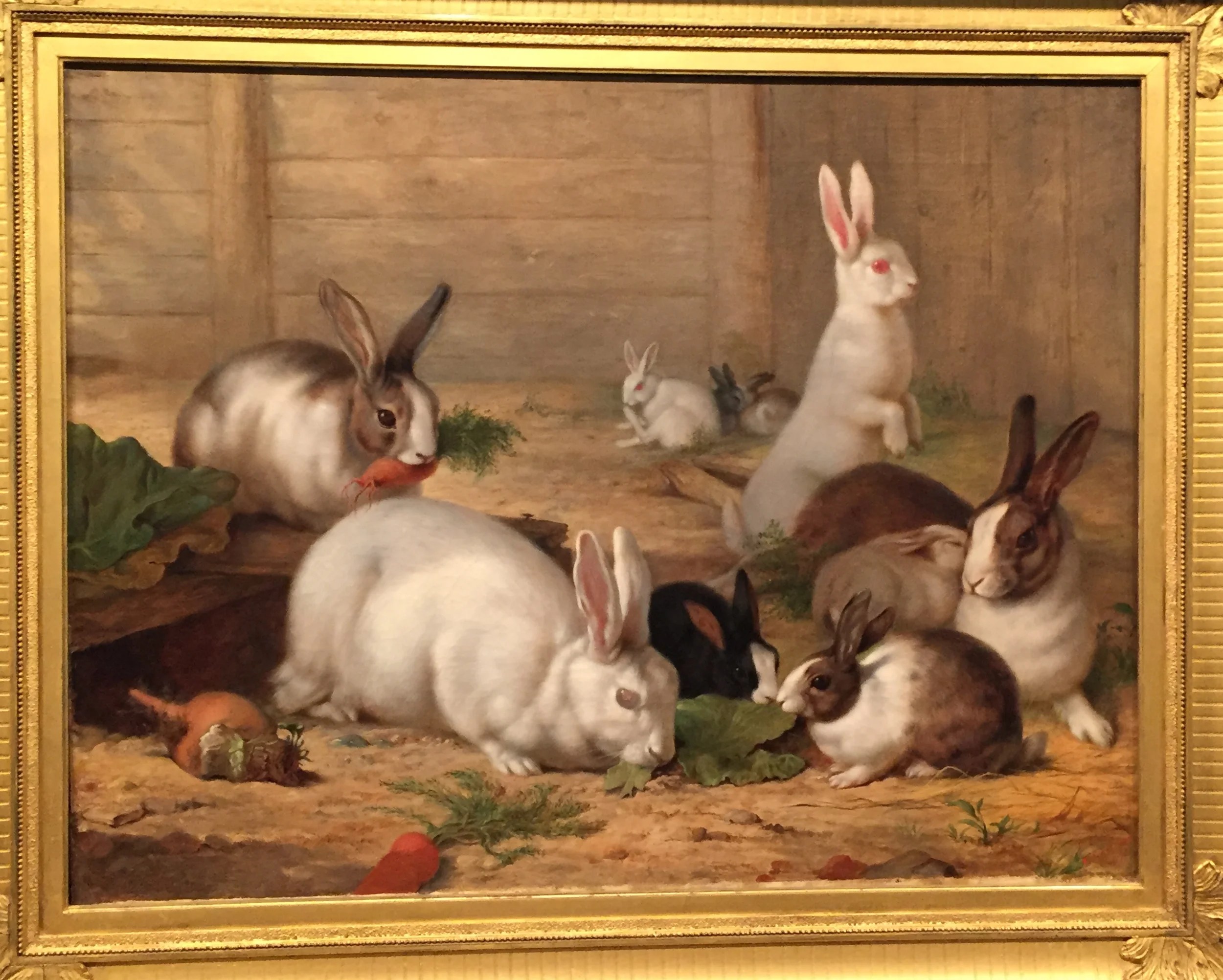
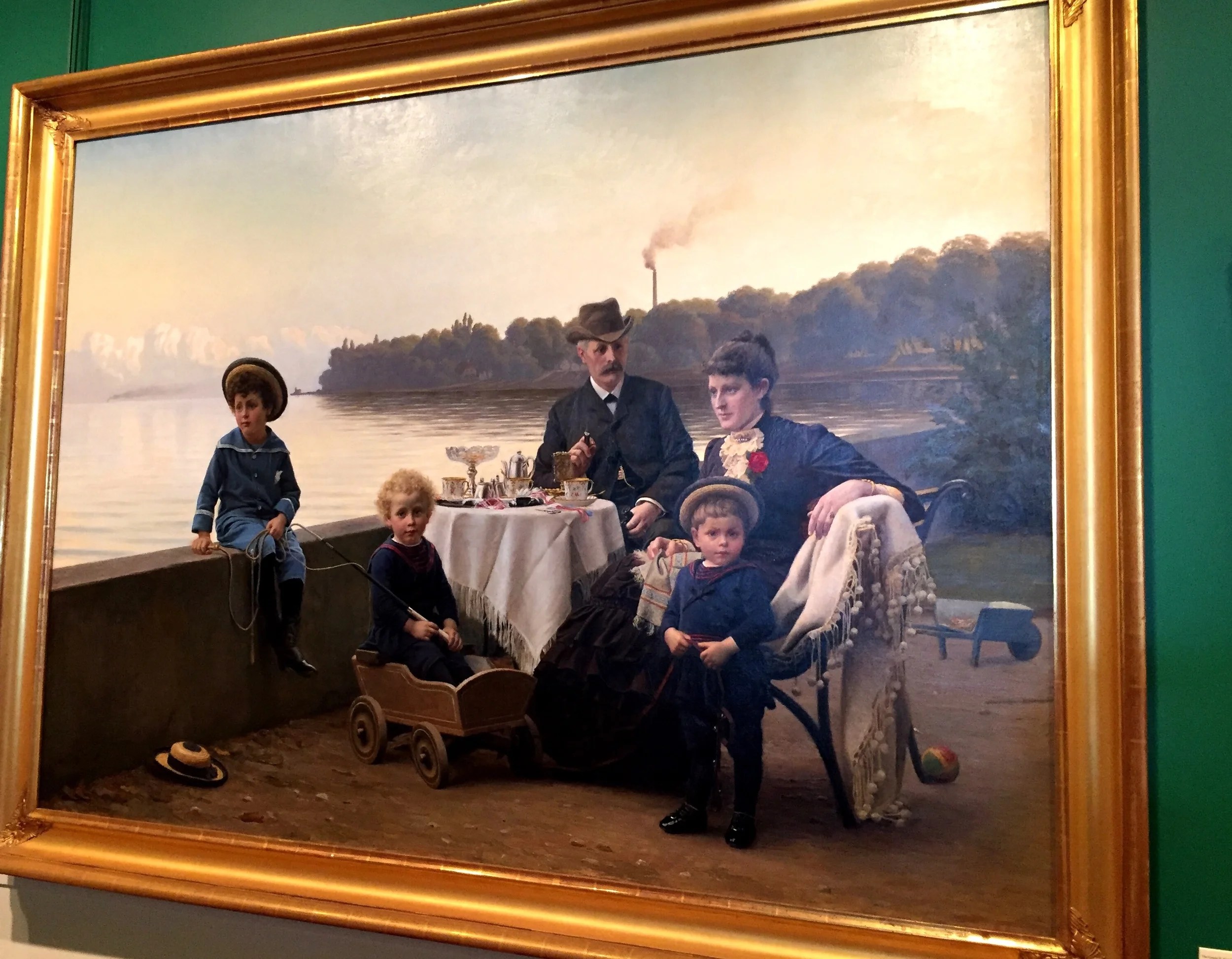
My family was fortunate to have another trip to Michigan’s Mackinac Island again this year. We stayed at the Grand Hotel, whose legendary front porch and beautiful surroundings are a treat unto themselves. I wandered into the gallery area in the main Parlor which exhibits paintings from the world renowned Manoogian Collection. The Manoogians have exhibited over 400 paintings from their collection at the hotel for the past 25 years. Here is a sample of some of the pieces on display this summer.
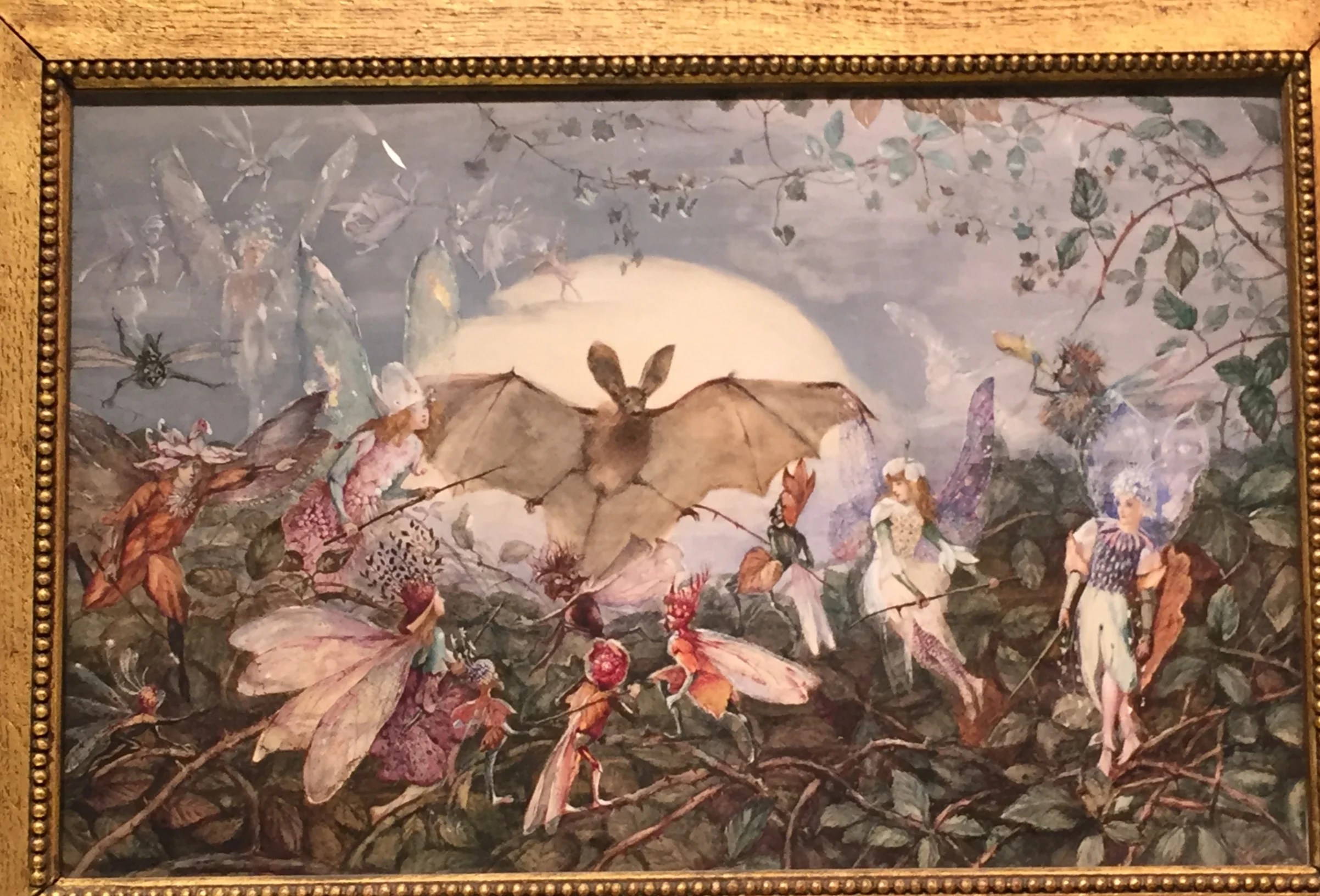
The works on display include 19th and 20th century examples of many different types of painting genres and by a large collection of artists.
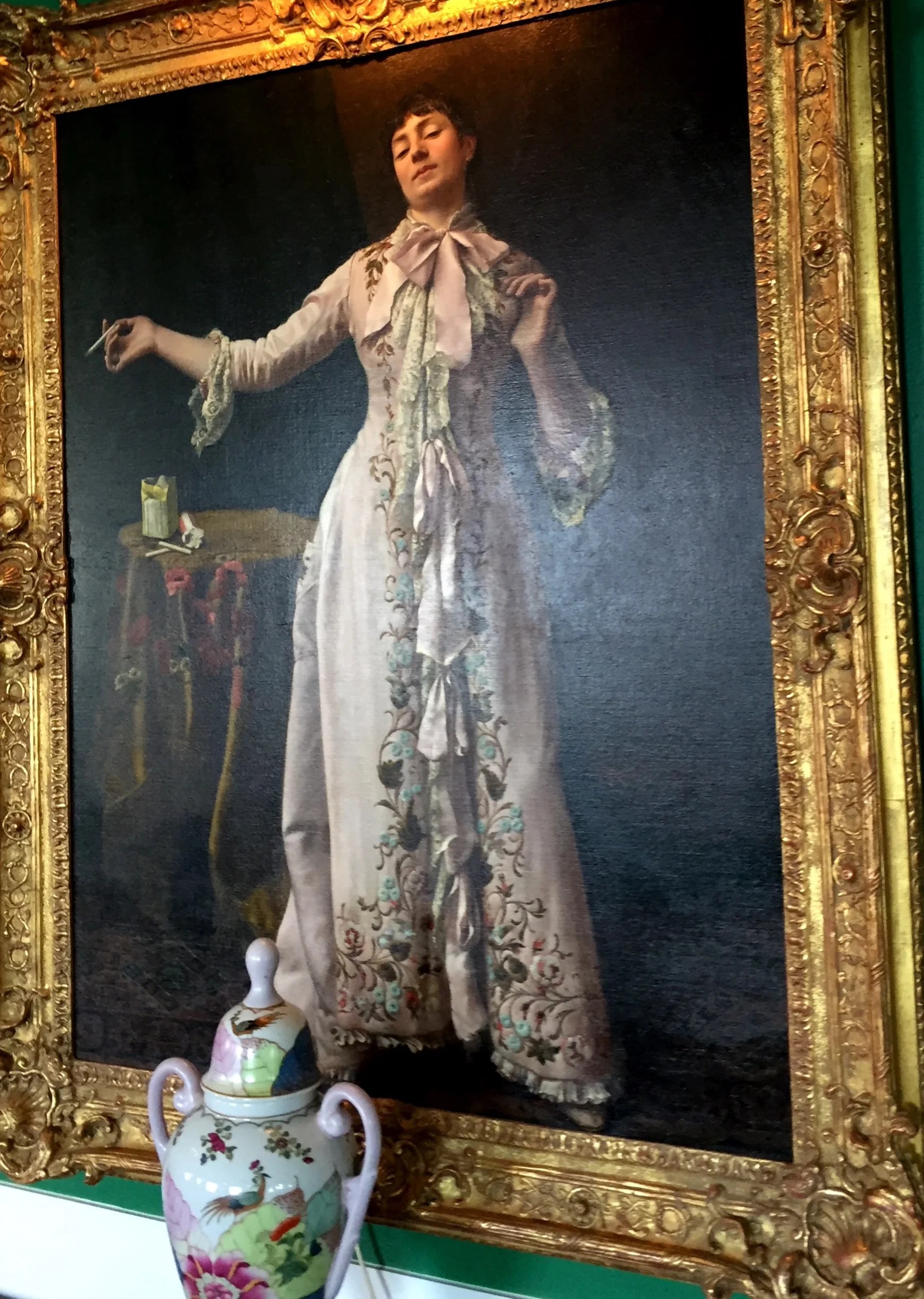
My assumption is that the cigarette and the way she looks down at the viewer indicate her liberated status.
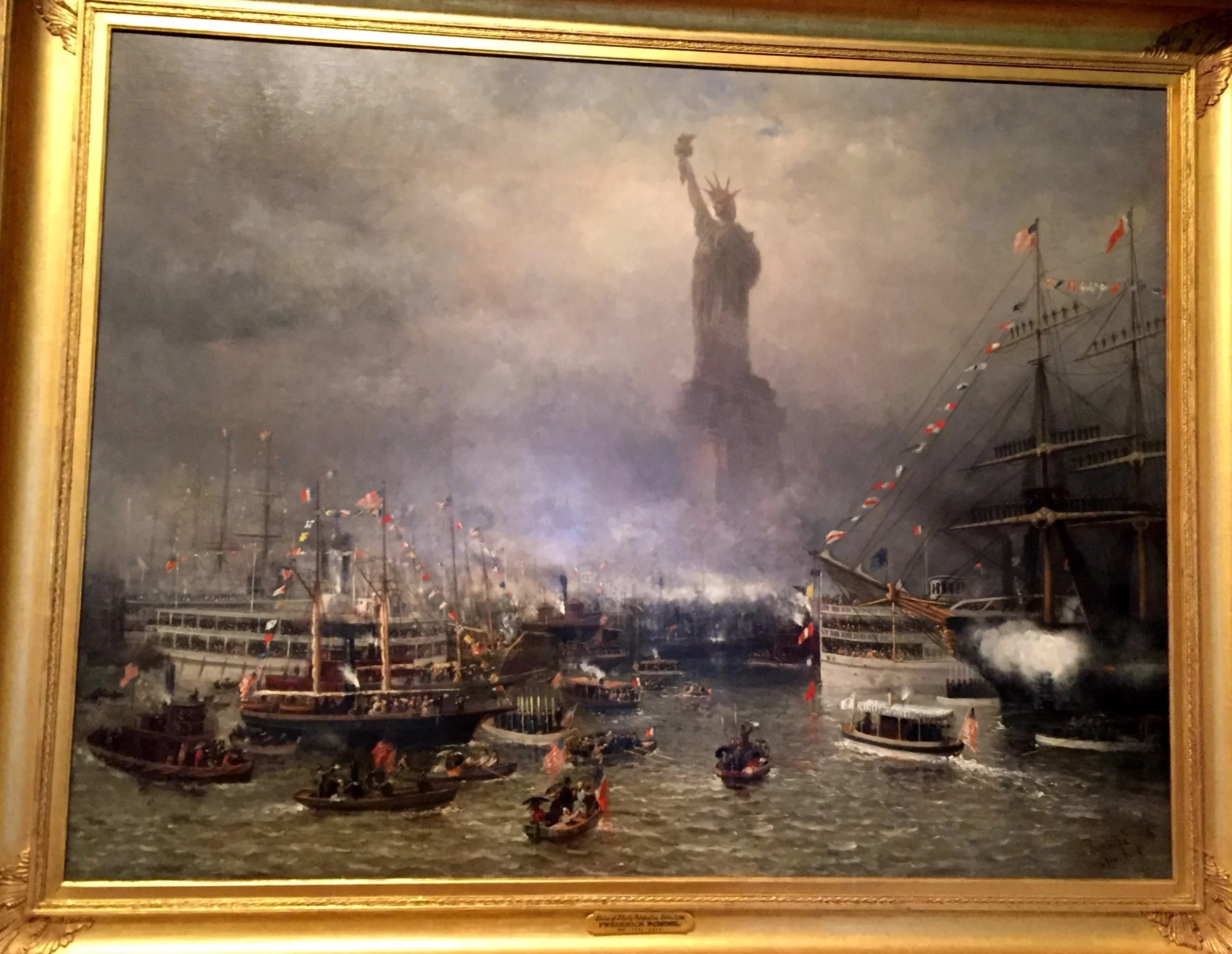
This is just a small sample of the artwork on display, there are many fine examples of portraiture, tromp l’oeil, landscapes, still lifes, etc. The art on display makes an already worthwhile trip all the more special.
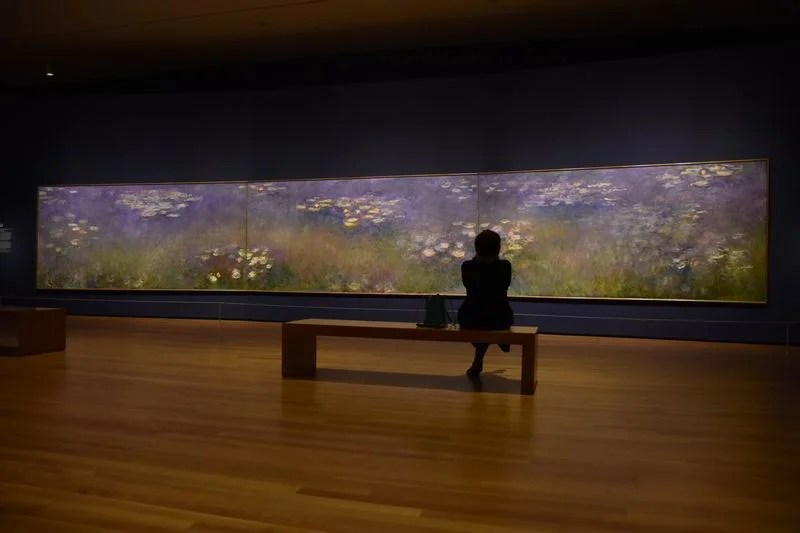
The Cleveland Museum of Art is hosting an exhibition entitled Painting the Modern Garden: Monet to Matisse now through January 5, 2016. The exhibition, organized by CMA and the Royal Academy of Arts in London, looks at the role of gardens to artists such as Claude Monet, who was also a horticulturist.
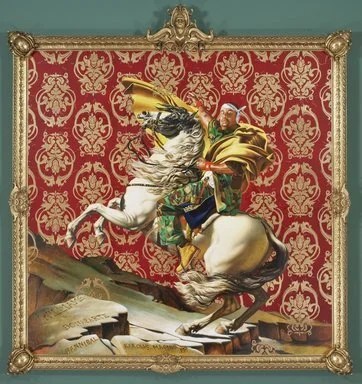
Kehinde Wiley,
Napoleon Leading the Army Over the Alps (Self-Portrait),
Oil on canvas, 2005
Artist
will speak at
Cleveland Museum of Art’s Gartner Auditorium, Saturday August 29th
at 2:00. His beautiful work harks back to an earlier style while creating very modern portraits. Wiley’s recent one man exhibition at the
was very well received by the art world and the public, alike. The Cleveland lecture is part of the
Cleveland Public Library’s The Lockwood Thompson Dialogues
.
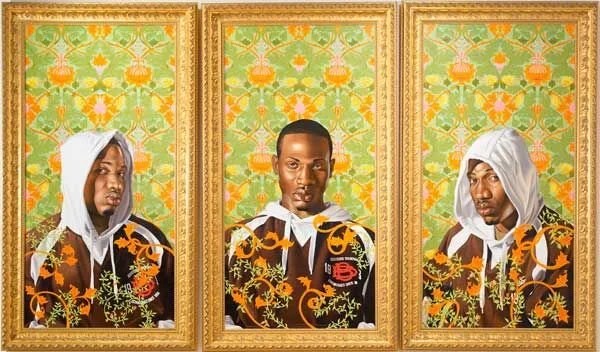
Kehinde Wiley
Triple Portrait of Charles I
, oil and enamel on canvas. Triptych, 2007,
The houses are all roughly a hundred years old and the last few years have been less then their best years. They are filled with character, beautiful wood, built-in china cabinets, window seats, etc., but what the artists focus on, for the most part, are that the houses are also filled with the lives of their former occupants. The houses sheltered people whose lives cry out to be celebrated before the tangible evidence of their exsistence is gone forever. We as a society, especially one hard hit by its changes like Cleveland’s Slavic Village, are too quick to erase the past as we rush toward the future and we often don’t realize what has been lost until it is no longer there. “Rooms to Let” stops us in our tracks and makes us look at these places, see the beauty, enjoy some music, laugh and talk with people, honor these structures and the families who lived and loved in them.
Having become blighted and a burden on the neighborhood, the city has no choice but to tear them down. This has been the story for many rust belt cities who deal with a loss of population and aging housing stock. For one more weekend though, people filled rooms, created music, gathered around them and enjoyed life. It was a celebration of the service of the houses as dwellings and the lives of the people who lived in them.


