Tag: Surrealism

  • Vision

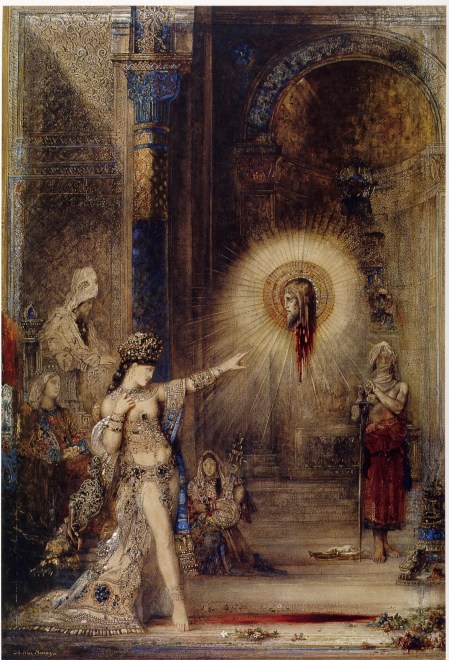
    The Apparition by Gustave Moreau, 1874-76, Louvre, Paris

    In this watercolor painting by Moreau we see Salome’s vision of the head John the Baptist is she remorseful or celebratory, it is hard to tell. Moreau was part of the Symbolism movement that paved the way for the Surrealist and Abstract artists who were to come.

  • Pipe Dreams

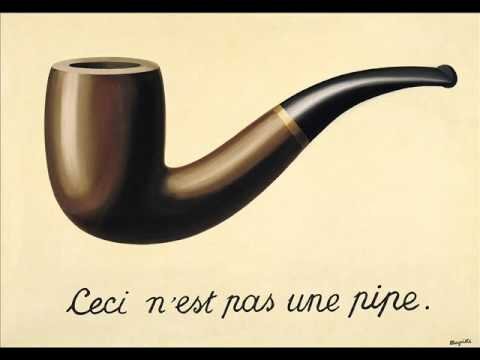
    The Treachery of Images by Rene Magritte.

    Surrealist Magritte has written “This is not a pipe” underneath an image of a pipe. His point is to remind the viewer that although you might be tempted to call this a pipe when you see it, is just a painting of a pipe.

  • Down the Drain

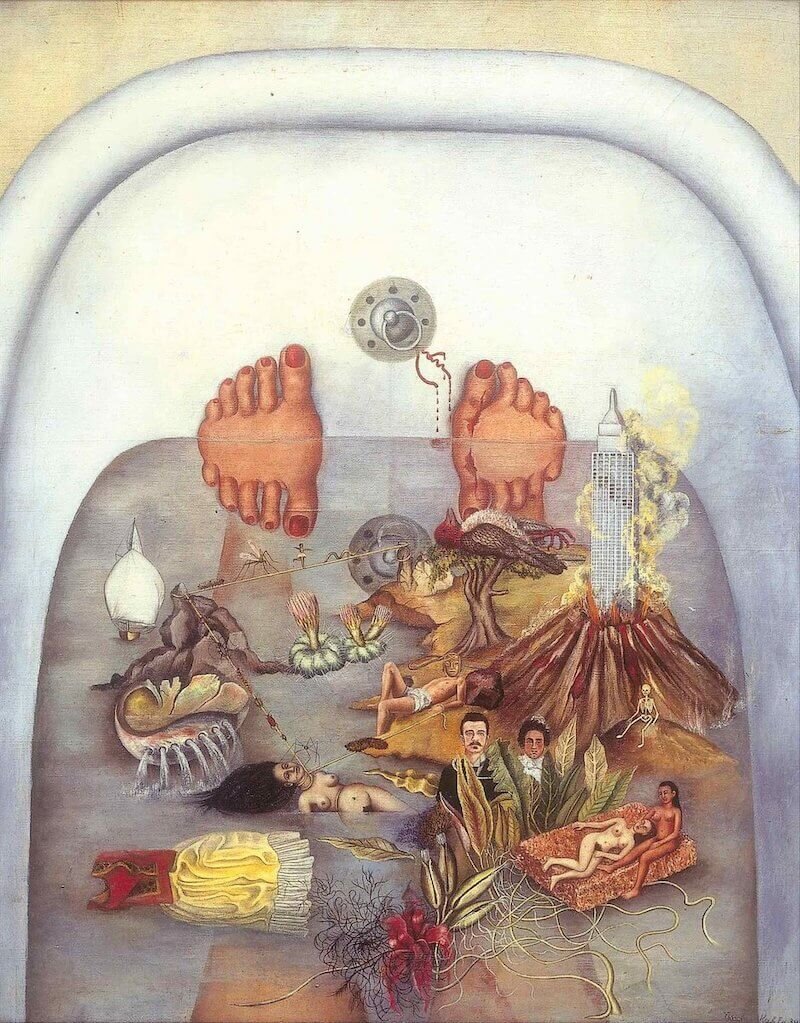
    What the Water Gave Me, 1938 by Frida Kahlo.

    Kahlo’s work is always very personal. This one exposes the thoughts and dreams of the artist whose feet stick out of the water at the end of the tub. She was married to Diego Rivera whose career eclipsed her own, however there has been a revival of her work in the last 15 years which has made her very popular.

  • Windows

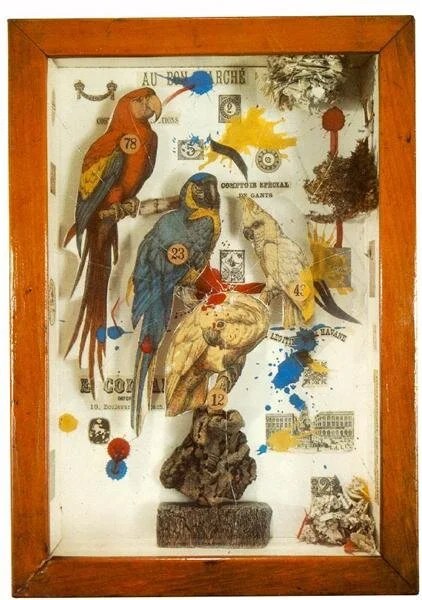
    Habitat Group for a Shooting Gallery by Joseph Cornell, Des Moines Art Center

    Cornell assembled fascinating groups of found objects. He liked to juxtapose different objects and his love of surrealism comes through in these groupings.

  • Horizon

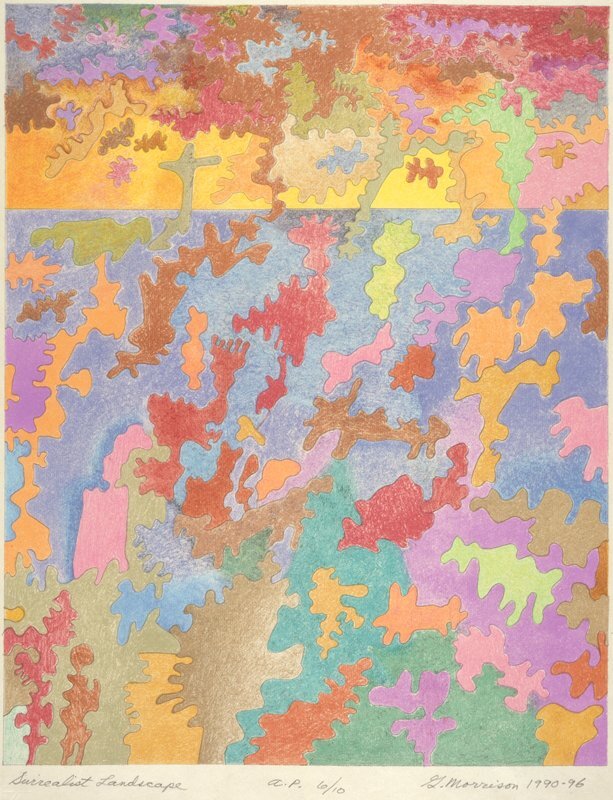
    Surrealist Landscape1990 – 1996 by George Morrison, The Minneapolis Institute of Art.

    Morrison was born a Chippewa Native American who was then trained in the European/American style at the Art Students League in New York in the 1940’s. The same place that turned out Jackson Pollock and many other Abstract Expressionists. His work shows these influences with a reverence for nature combined with a free-form style.

  • Understanding Symbols

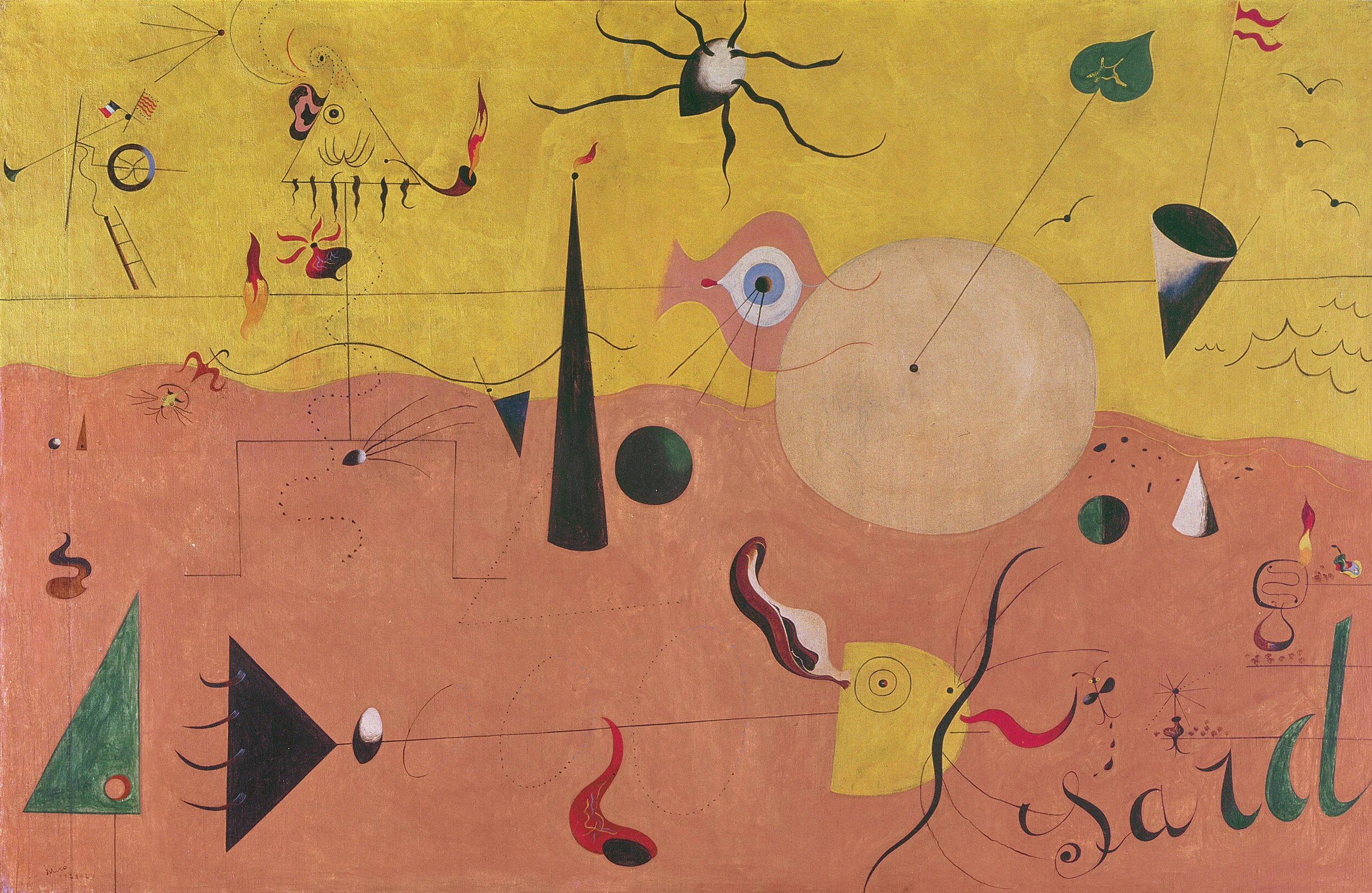
    The Hunter (Catalan Landscape) by Joan Miro, 1923-24, MoMA, NYC.

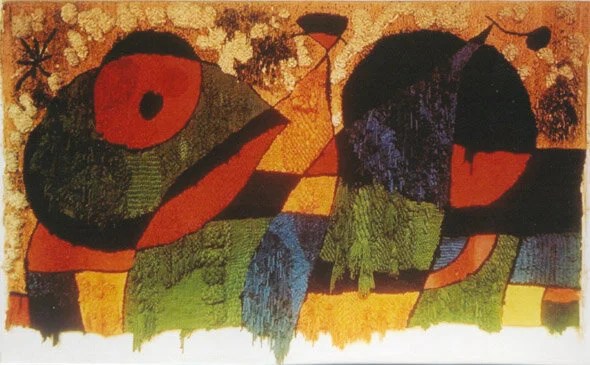
    Miro began his work as a painter doing portraits but soon found the work of artists like Picasso and the Surrealists with whom he socialized in Paris, to influence him to try other directions in his paintings. The Spanish Civil War drew his work into a political realm as his countrymen suffered at home. His career lasted well into the later part of the twentieth century, in fact a large tapestry he did for the World Trade Center was one of the most valuable pieces of art work that was destroyed on September 11, 2001. 

    Figure 6 by Joan Miro, 1974, The World Trade Center (destroyed 9/11/01).

  • Brotherly Love

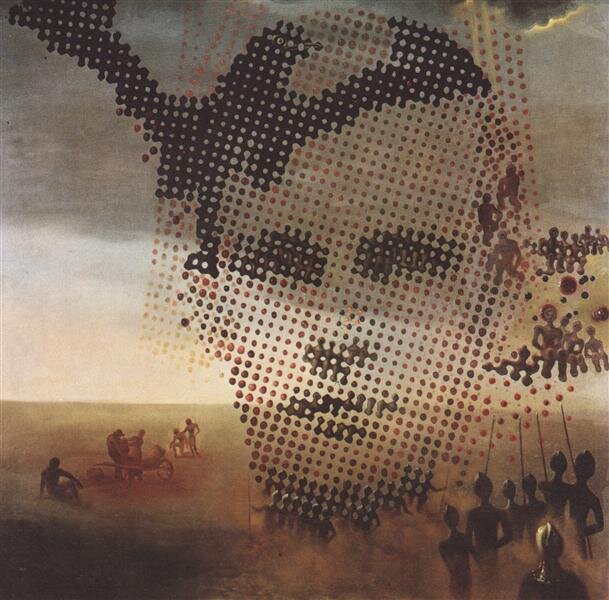
       Portrait of My Dead Brother   by  Salvador Dali , 1963,  The Salvador Dali Museum
    Portrait of My Dead Brother by Salvador Dali , 1963, The Salvador Dali Museum

    Dali never knew his bother who died of a stomach aliment at three years old, nine months before Salvador was born. Dali’s parents told him he was the reincarnation of his brother and he always felt they were like Castor and Pollux. From the Dali Museum: Dalí wrote a brief, elusive description of this work when it was first exhibited. “The Vulture, according to the Egyptians and Freud, represents my mother’s portrait. The cherries represent the molecules, the dark cherries create the visage of my dead brother, the sun-lighted cherries create the image of Salvador living thus repeating the great myth of the Dioscures Castor and Pollux.”