Category: art history

  • Ties with the Devil

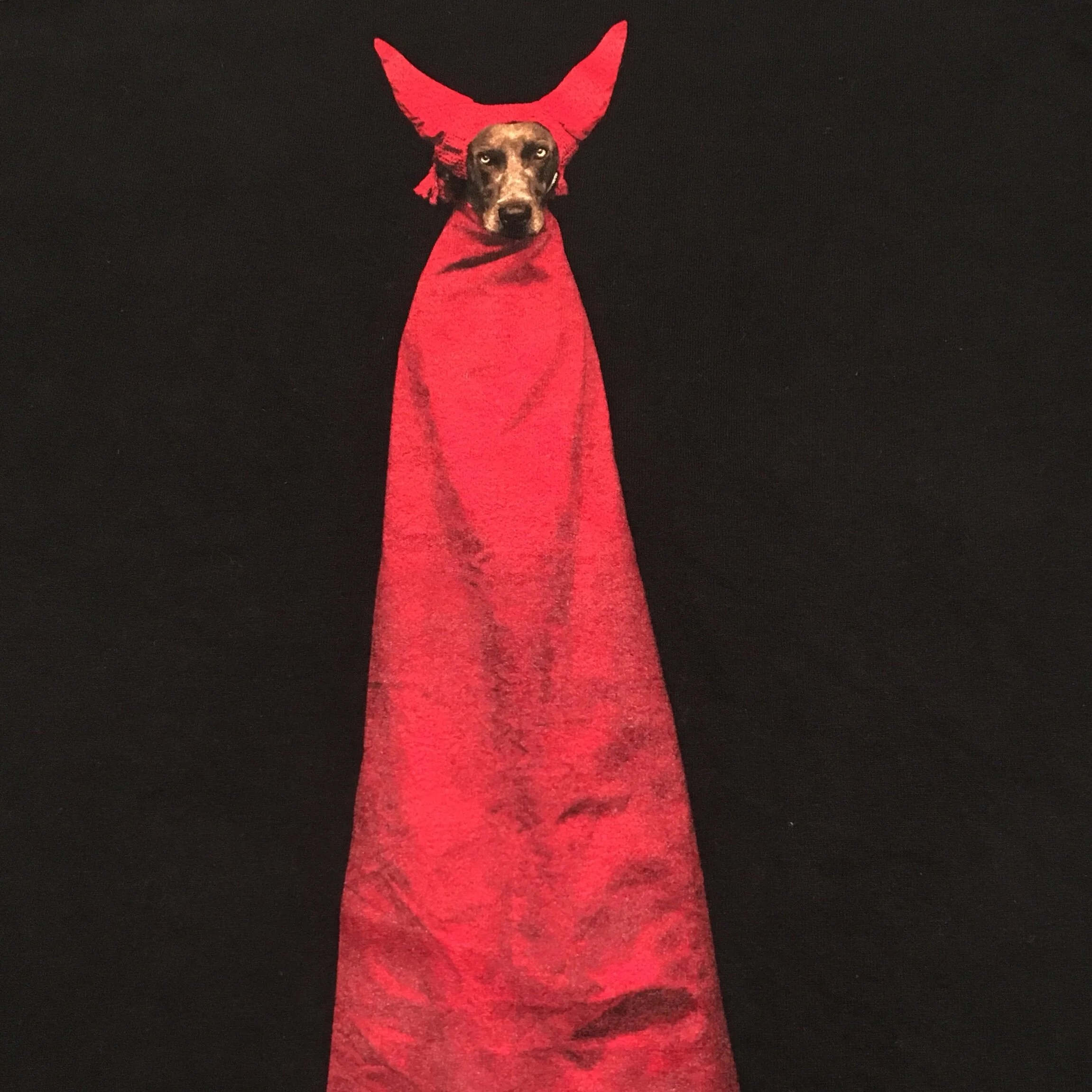
    Devil Dog, 1990 by William Wegman, various collections.

    Wegman has been collaborating with his dogs for over thirty years to create videos, photographs, movies for adults and children. His children’s books cast his dogs as the main characters and re-tell such famous stories as Cinderella, Red Riding Hood, and he creates original characters for them, as well.
  • Hankie

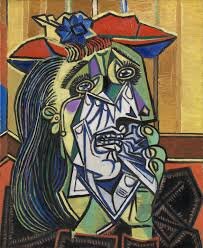
    Weeping Woman, 1937 by Pablo Picasso, Tate Gallery, London.

    Picasso did a series of “Weeping Women” where their faces and emotions are broken-up by grief and the cubist style of creating an image out of a series of planes.

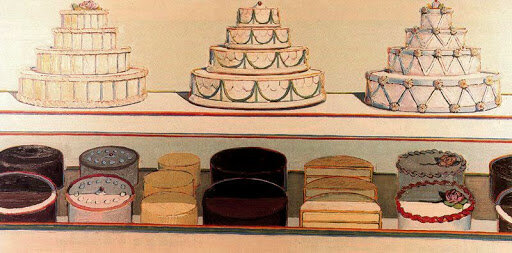
  • Yum

    Cake Counter by Wayne Thiebaud.

    Thiebaud came to prominence during the Pop Art years of the 1950’s & 1960’s. His work has remained an important force in American art.

  • Gothic Here Too

    Stone City Iowa by Grant Wood, Joslyn Art Museum

    Stone City is near Wood’s childhood home Anamosa. They hold an art festival in Stone City every summer in honor of one of the state’s favorite sons. Wood helped to found the Stone City Art Colony there in 1932.

  • Family Ties

    Candy Cigarette, 1989 by Sally Mann from Immediate Family.

    Sally Mann creates beautiful photographs using a large-scale camera and old processes. Her work is a studied glimpse at her life, nature, and the lives of others; a look at the way she processes her world. She has dealt with controversy for showing us her children as they freely live their lives, but looking intimately into her world is a privilege.

  • Whose god?

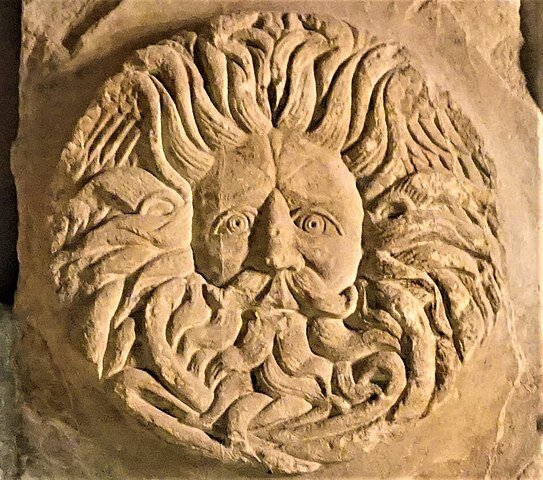
    Medusa or Gorgon, 1st Century A.D., From the Temple of Sulis Minerva at the Roman Bath in Bath, England.

    This representation of the Gorgon Medusa was part of the pediment decoration from the Temple of Sulis Minerva at Bath. Sulis Minerva was a goddess of healing and the sulfur infused waters found at Bath were thought to have healing powers. Usually Medusa is depicted as a woman and this representation looks more like a man which makes it seem that it may be a mistaken attribution and that this representation might actually be of a river god from local folklore.

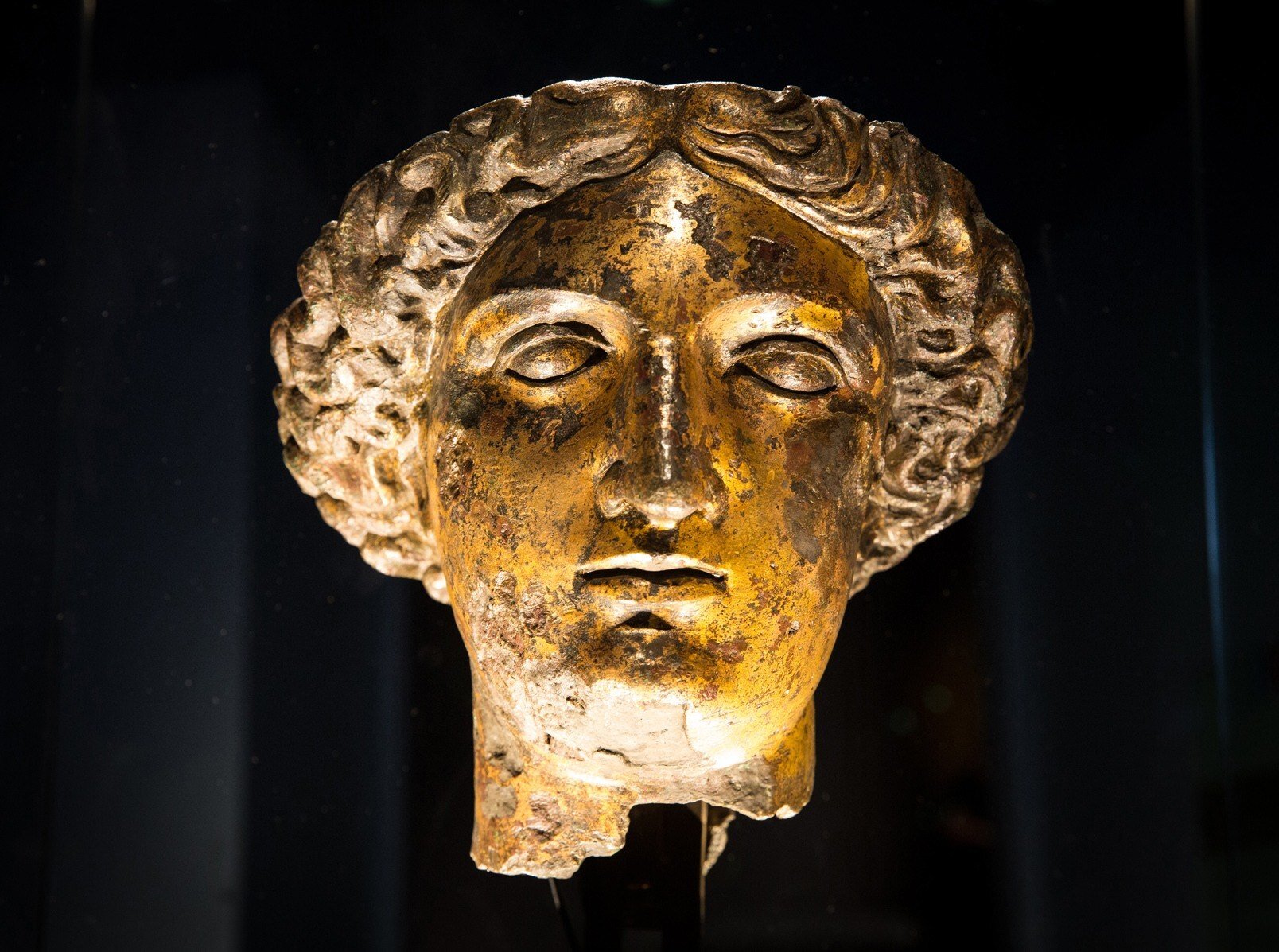
      Head of the Goddess Sulis Minerva from Bath, England.
    Head of the Goddess Sulis Minerva from Bath, England.
  • Turn Around

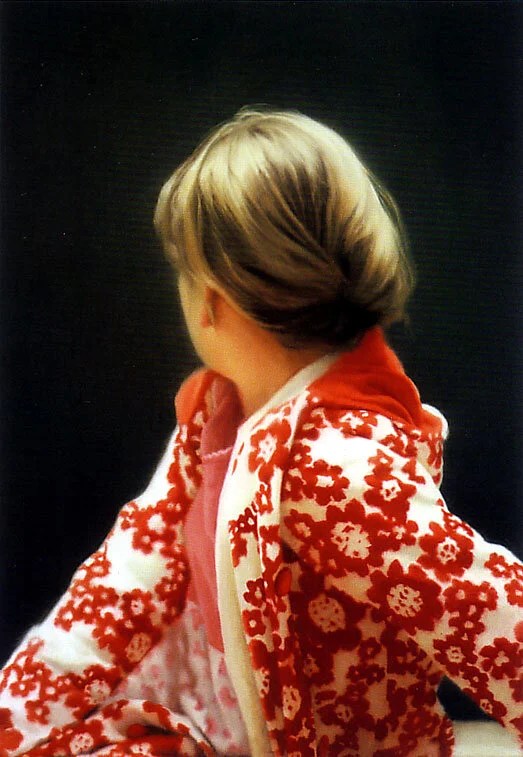
    Betty, 1988 by Gerhard Richter, St. Louis Art Museum (copyright Gerhard Richter).

    What looks to be a photograph is actually a painting of the artist’s daughter. It cannot be considered a true portrait when it is of the back of the subject but he lovingly portrays the his subject. His style has varied a lot over the years from photo-realistic paintings like to the very abstract.

  • A Heady Aroma

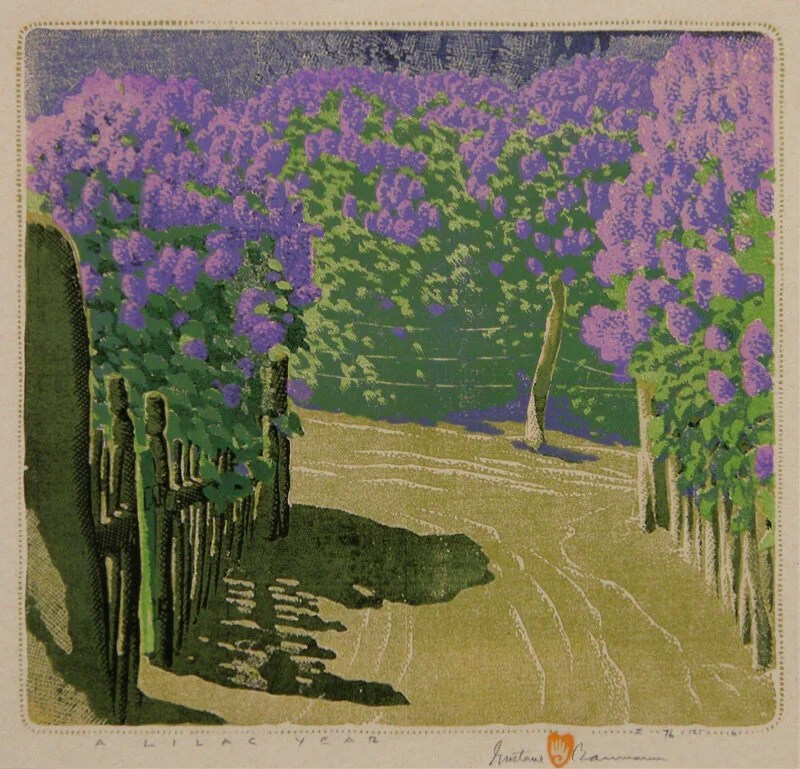
    A Lilac Year, 1951 by Gustav Baumann, color woodblock print, assorted collections.

    Baumann arrived from Germany to the US in 1891 when he was 10 and eventually did his art training at the Art institute of Chicago. He eventually settled in New Mexico and worked primarily in woodblock prints which show a strong Japanese influence.

  • Rest

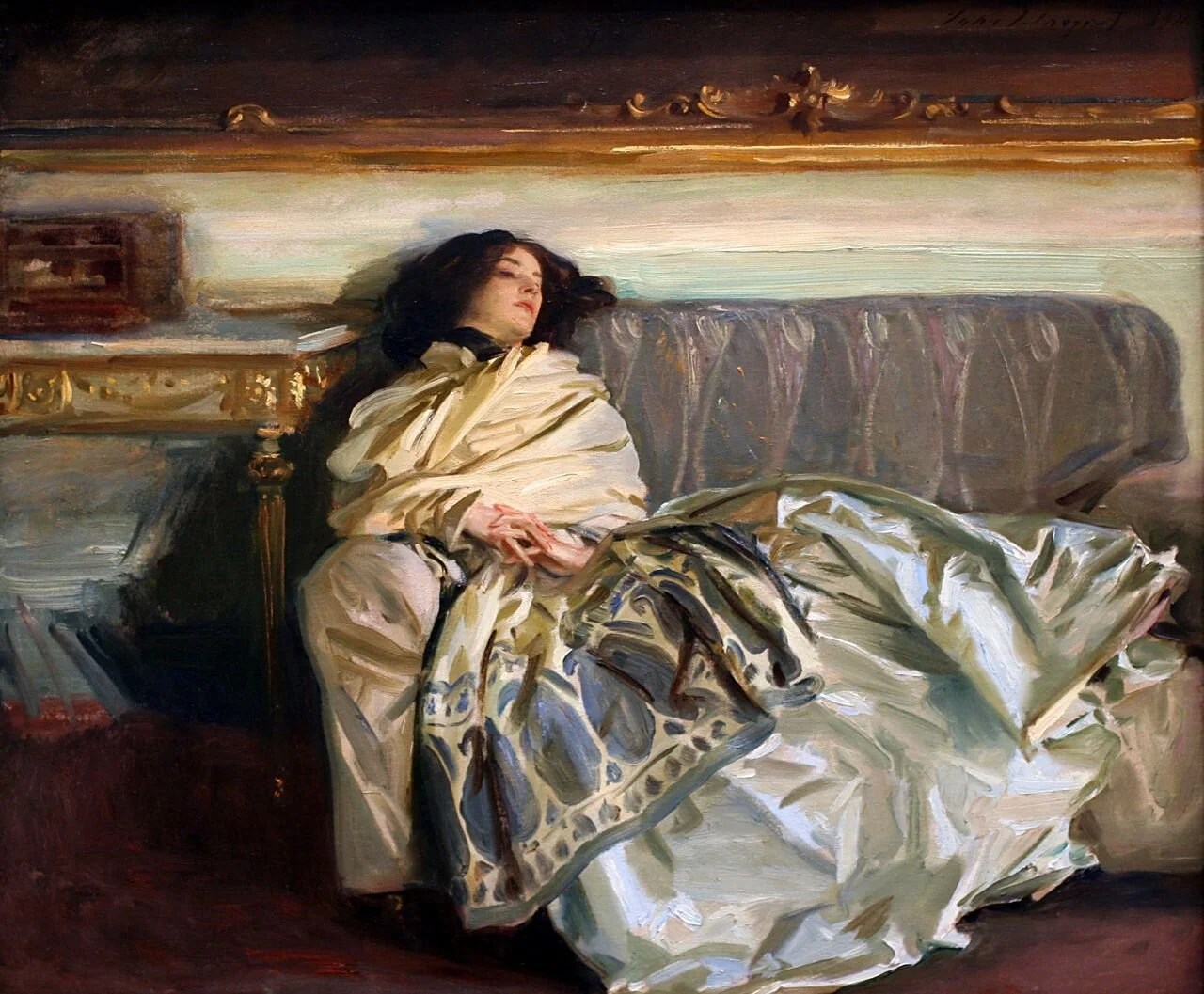
    Nonchaloir ,1911 by John Singer Sargent, National Gallery of Art, Washington D.C.

    After 1907 Sargent grew tired of painting so many society portraits for money. he chose to concentrate instead on outdoor scenes and more casual poses like this one of his niece.

    Dis me.

  • Windows

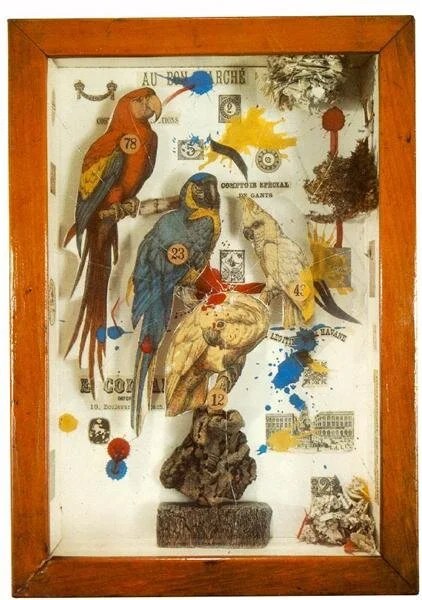
    Habitat Group for a Shooting Gallery by Joseph Cornell, Des Moines Art Center

    Cornell assembled fascinating groups of found objects. He liked to juxtapose different objects and his love of surrealism comes through in these groupings.