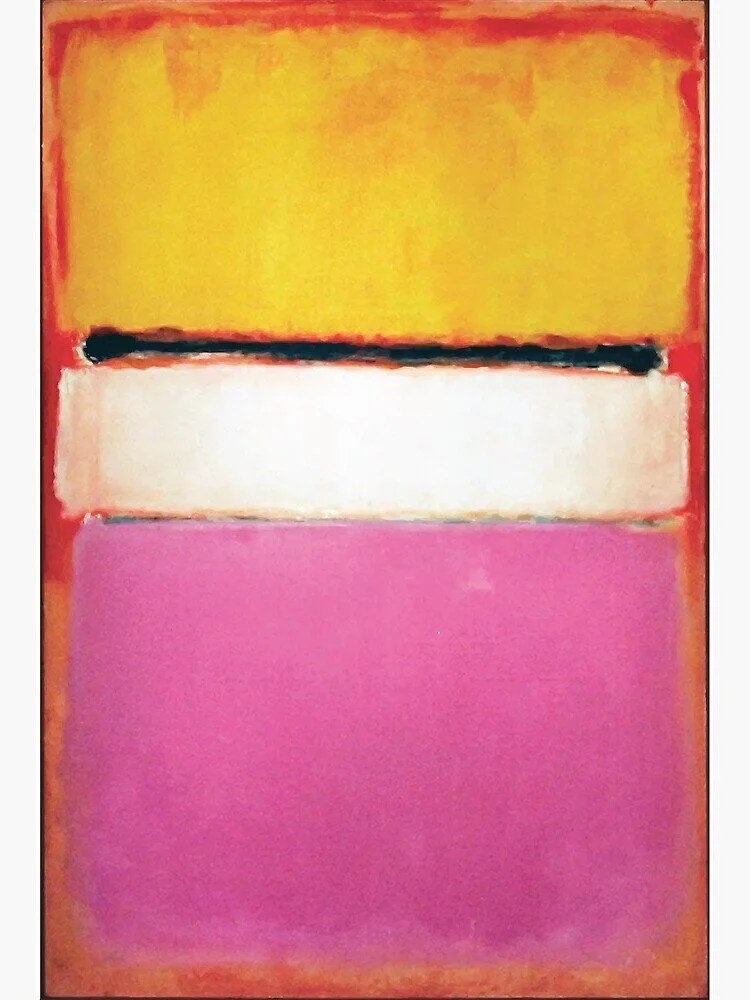
White Center, 1950 by Mark Rothko.
A member of the New York School that emerged in the mid 20th century, Mark Rothko has come to be regarded as one of America’s greatest artists. He had his first solo exhibition in 1961.
White Center, 1950 by Mark Rothko.
A member of the New York School that emerged in the mid 20th century, Mark Rothko has come to be regarded as one of America’s greatest artists. He had his first solo exhibition in 1961.
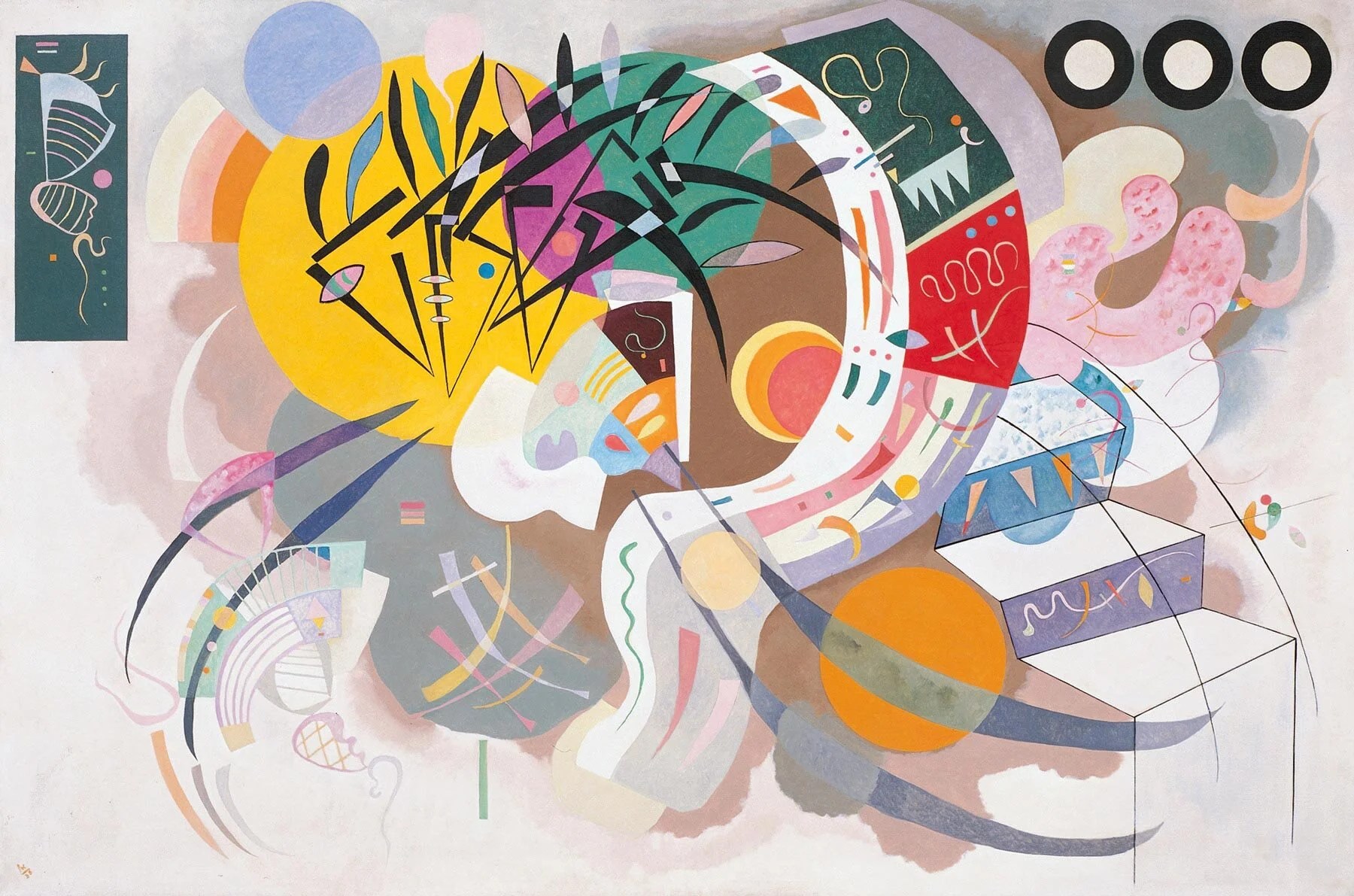
Dominant Curve by Vasily Kandinsky.
Kandinsky was one of the most influential Abstract artists of the 20th century. He was a teacher of both law and later art, teaching for a number of years at the German Bauhaus. He himself claimed he became interested in abstraction after seeing one of his paintings upside down.
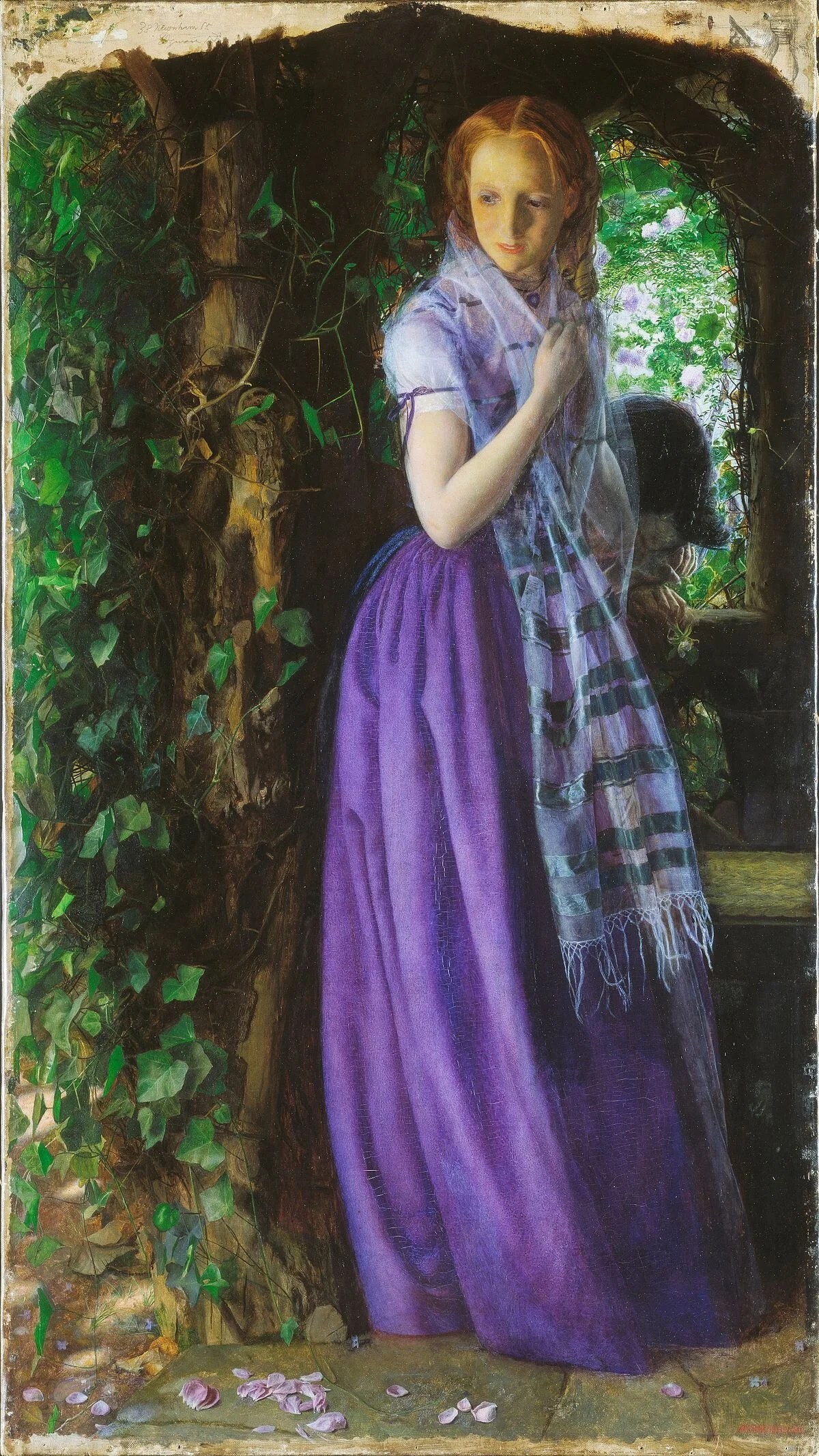
April Love, 1855-56 by Arthur Hughes.
Hughes accompanied this painting with a poem by Tennyson called The Miller’s Daughter. I love the vibrant purple of the dress, it just pops out of the painting.
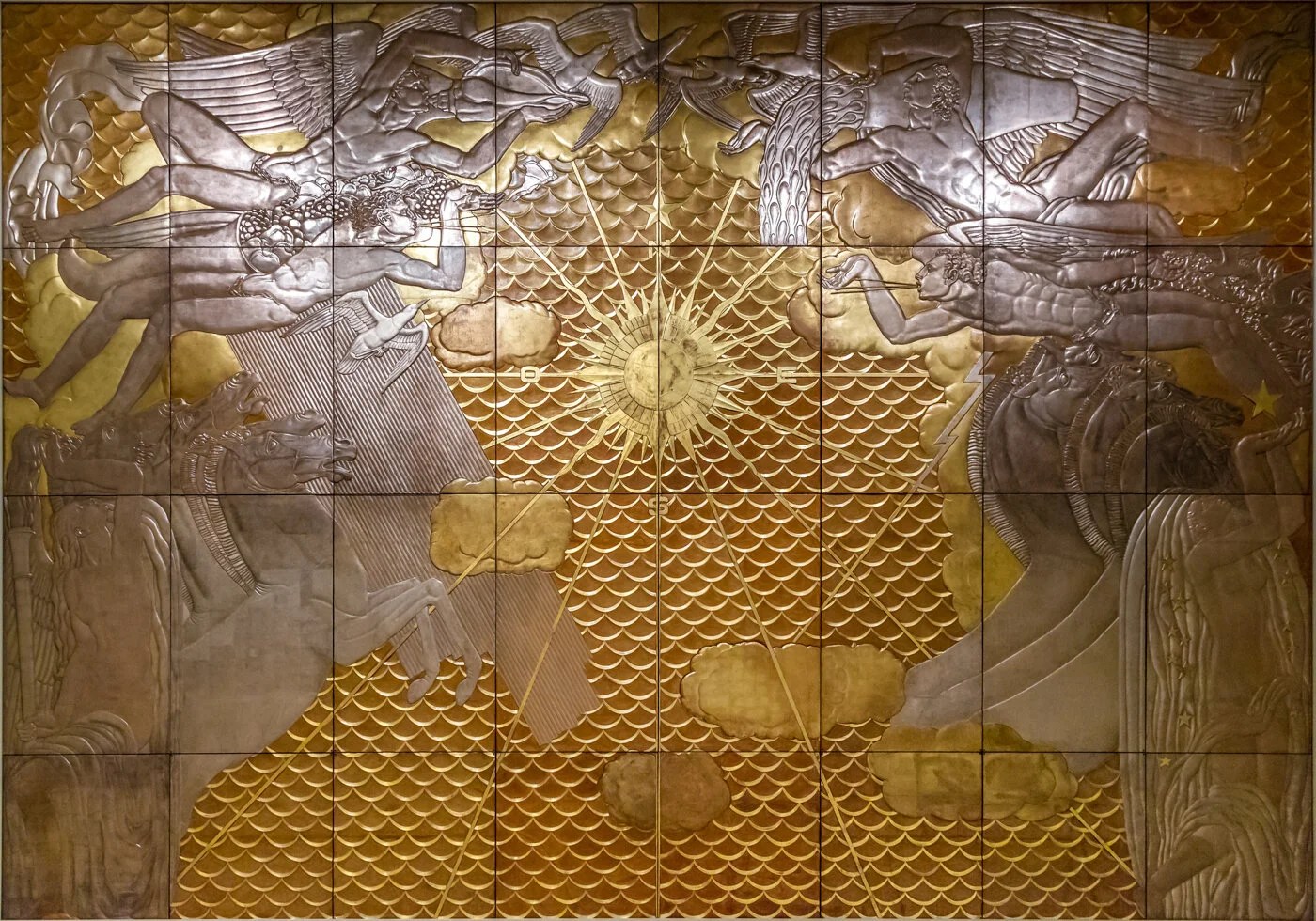
The Chariot of Aurora (detail), 1935 by Jean Dunand.
This large panel was part of a design for the ocean liner Normandie one of the grandest and most famous ships ever built.
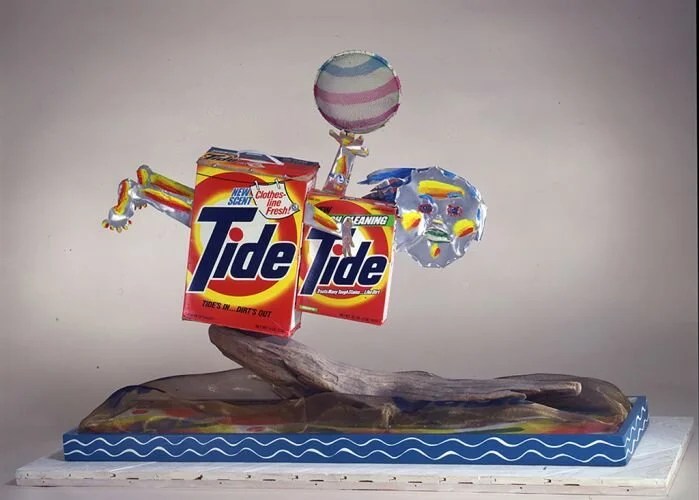
Sun, Sea, and Tide, 1989 by Red Grooms, The Kemper Museum of Contemporary Art, Kansas City, MO.
Red Grooms uses all different kinds of media in his work, which is often two or three-dimensional. He likes to combine painting and sculpture into works he calls “sculpto-pictoramas.”
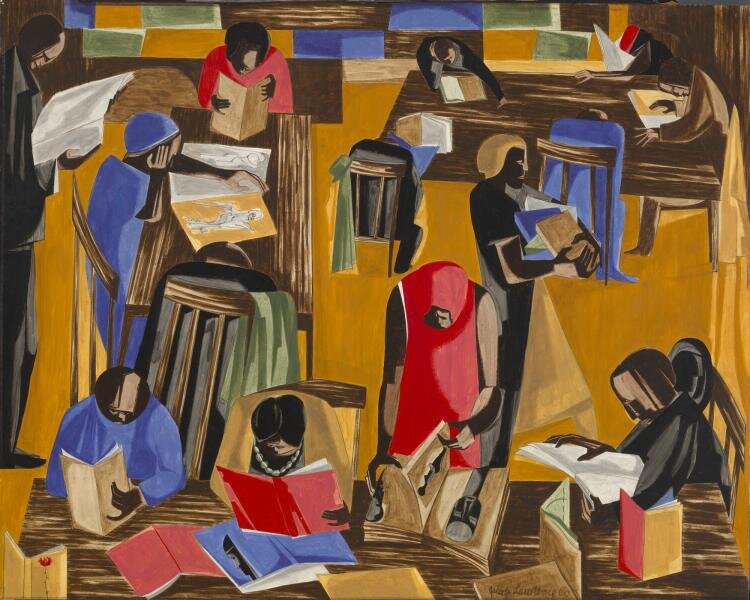
The Library, 1960 by Jacob Lawrence, The Smithsonian Institution, Washington D.C.
“Lawrence never completed high school but taught himself African American history, spending hours in the library researching legendary black figures and events to use in his paintings. ” (Smithsonian website).
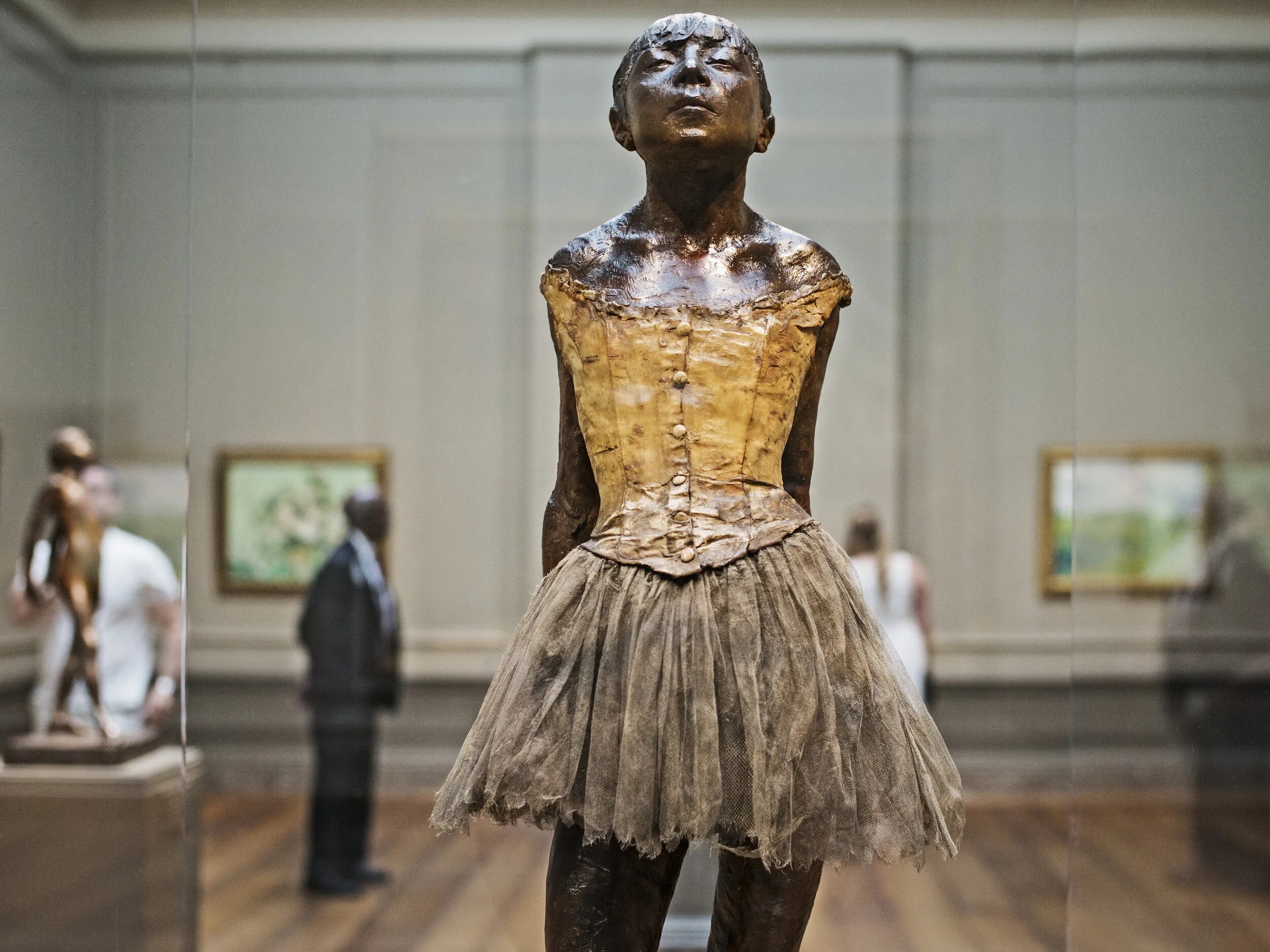
Dressed Ballet Dancer, 1880/1881 by Edgar Degas, National Gallery, Washington.
Degas spent a great deal of time observing the world of the ballet. This statue represents the young girls in training, known as the “rats.”
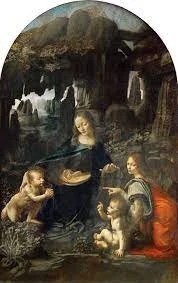
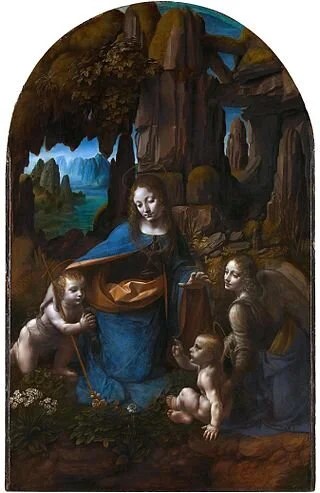
The Virgin of the Rocks, 1483-86 by Leonardo da Vinci.
Leonardo created two almost identical versions of the same scene of the Virgin with the angel Uriel, John the Baptist and the Christ child. The first work was commissioned by an organization and when they did not pay right away it was purchased by an individual, finally the group gathered the money and another version was made for them.
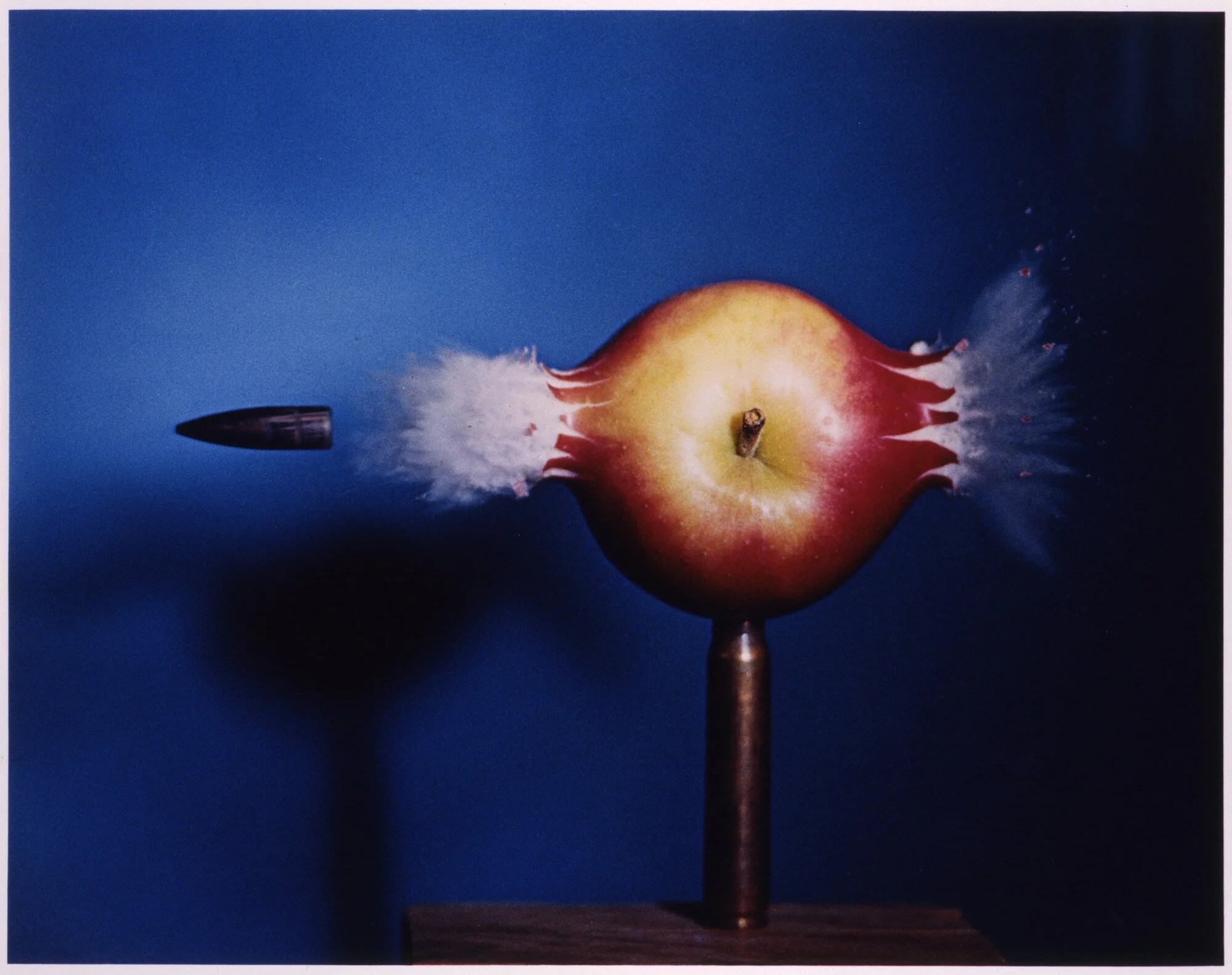
Bullet Through Apple, 1964 by Harold “Doc” Edgerton.
Invented the Stroboscope which is what allowed him to create photographs like this one. He was a professor at MIT.
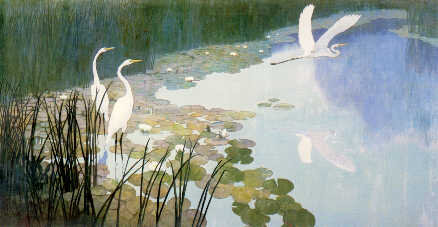
Egrets, c. 1945 by NC Wyeth, Mural for the Metropolitan Life Building.
NC Wyeth is the father of Andrew Wyeth. He is best known as a book illustrator and made many famous tales such as Robin Hood and Treasure Island come alive for young readers.

