• Recovering

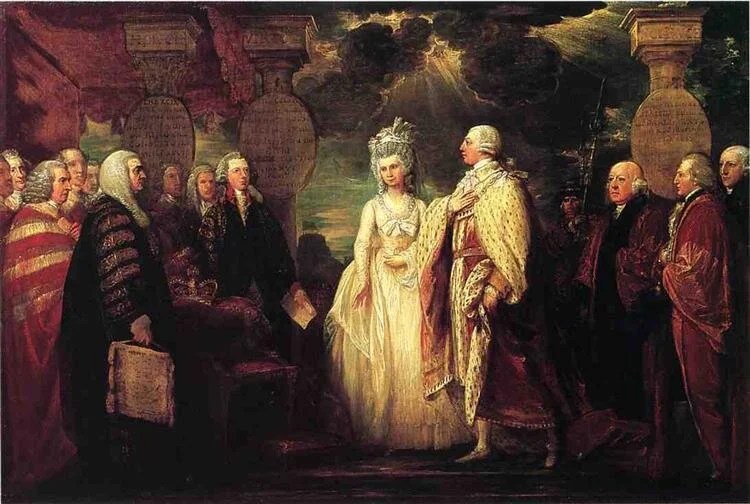
    The Recovery of his Majesty in the Year 1789 by Benjamin West.

    West was born in Philadelphia and was largely self-taught, although he did study painting. He was a friend of Benjamin Franklin, whose portrait he painted and eventually moved to England to paint for King George III who is pictured here. Don’t you love the heavens shining as the he returns to the throne.
  • Sick in Bed

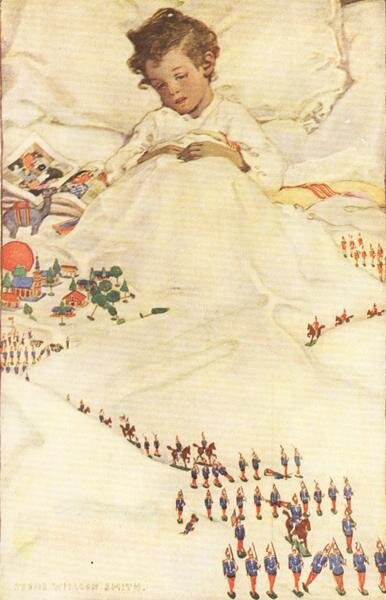
    The Land of Counterpane by Jessie Wilcox Smith

    The Land of Counterpane by Robert Louis Stevenson

    When I was sick and lay a-bed,

    I had two pillows at my head,

    And all my toys beside me lay,

    To keep me happy all the day.

    And sometimes for an hour or so

    I watched my leaden soldiers go,

    With different uniforms and drills,

    Among the bed-clothes, through the hills;

    And sometimes sent my ships in fleets

    All up and down among the sheets;

    Or brought my trees and houses out,

    And planted cities all about.

    I was the giant great and still

    That sits upon the pillow-hill,

    And sees before him, dale and plain,

    The pleasant land of

    counterpane

    .

  • Following Fashions

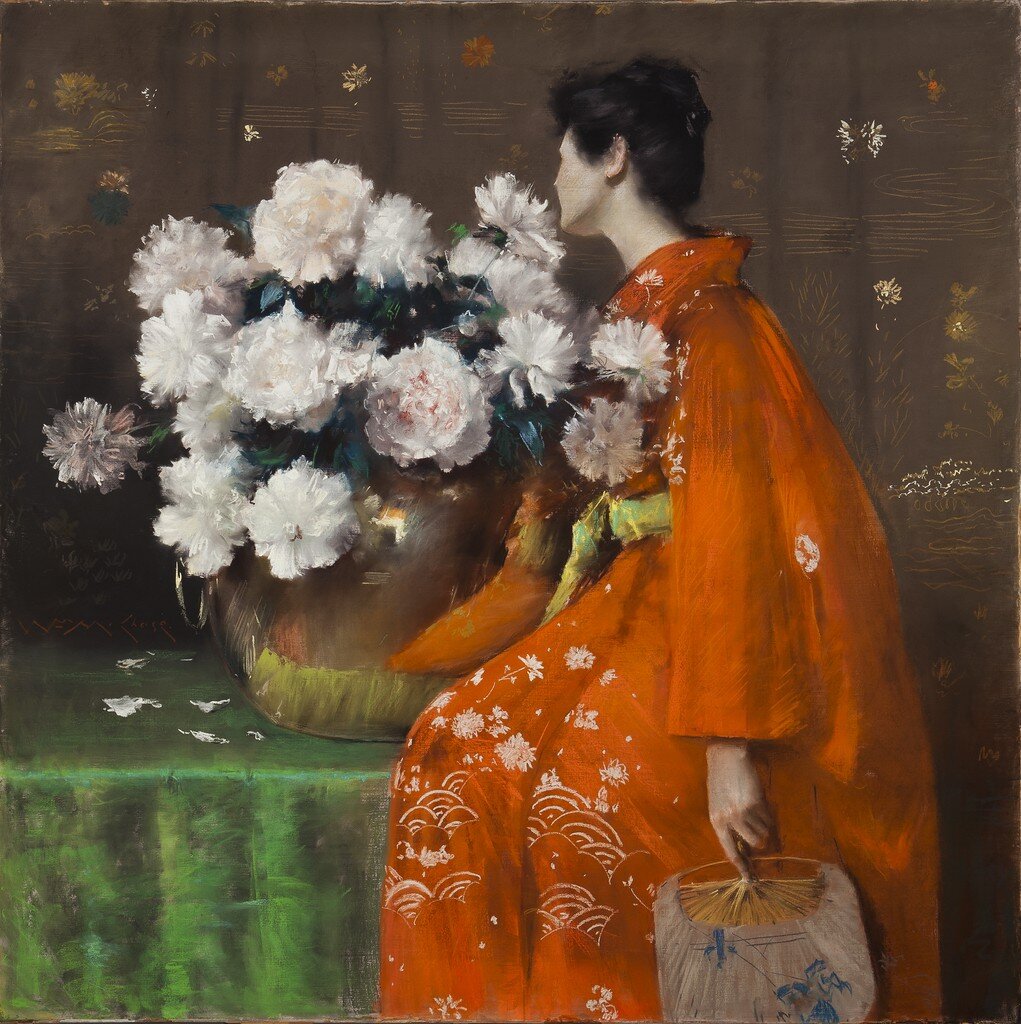
    Spring Flowers, c. 1889 by William Merritt Chase.

    Chase considered himself an observer of life and which was a French method he applied to American landscapes and settings. This work also refers to the fashion of Japanese styles adapted in American households.

  • Beautiful Agony

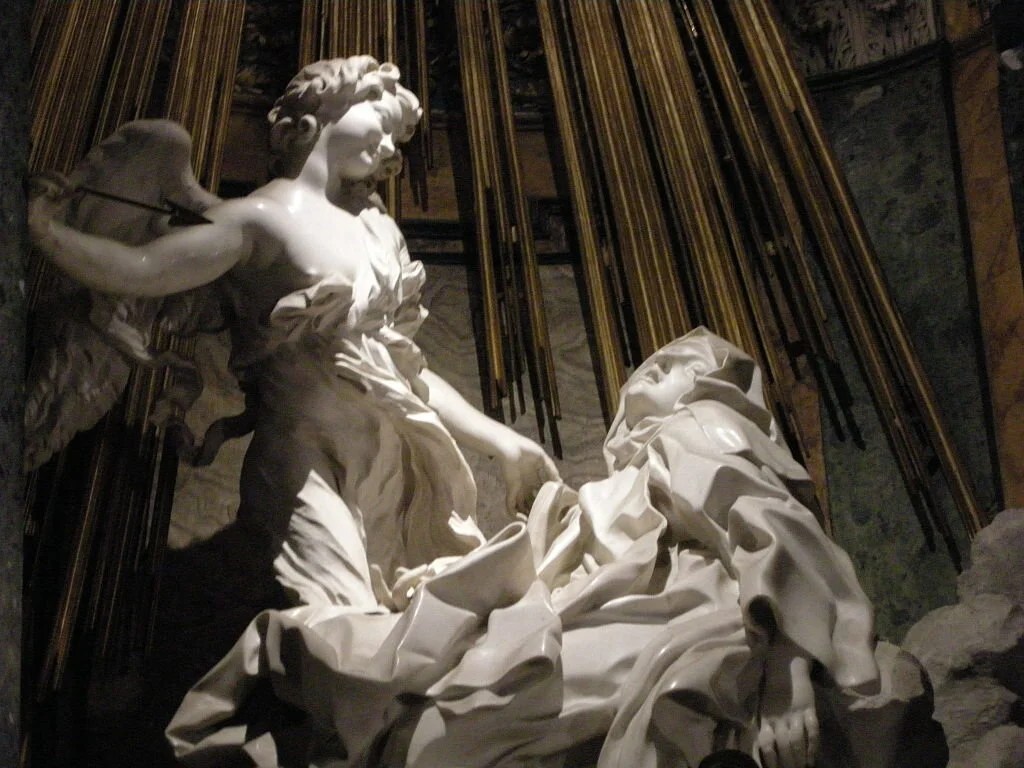
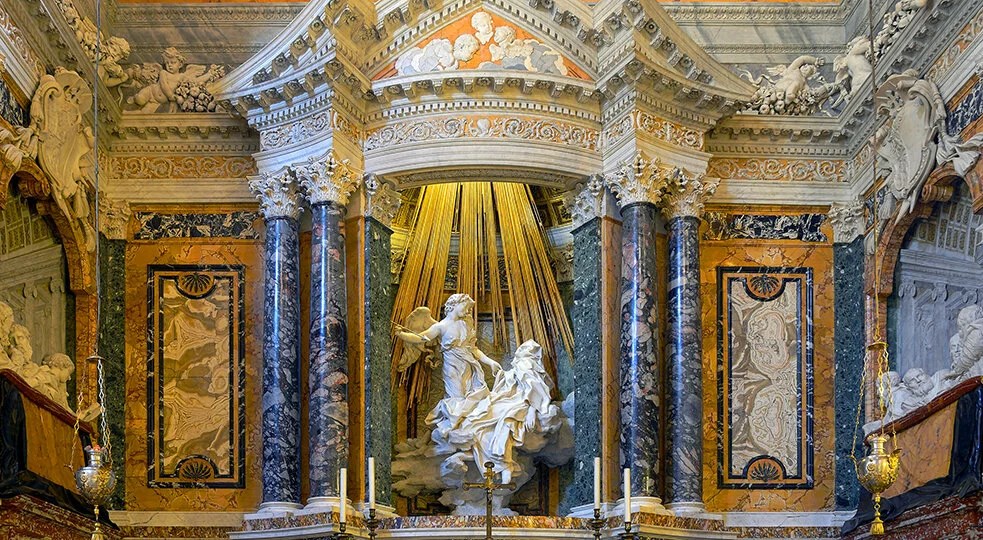
    The Ecstacy of St. Teresa, 1645-1652 by Bernini, Cornaro Chapel.

    “I saw an angel beside me toward the left side, in bodily form…He was not very large, but small, very beautiful, his face so blazing with light that he seemed to be one of the very highest angels, who appear all on fire. They must be those they call Cherubim…I saw in his hands a long dart of gold, and at the end of the iron there seemed to me to be a little fire. This I thought he thrust through my heart several times, and that it reached my very entrails. As he withdrew it, I thought it brought them with it, and left me all burning with a great love of God. So great was the pain, that it made me give those moans; and so utter the sweetness that this sharpest of pains gave me, that there was no wanting it to stop, nor is there any contenting of the soul with less than God”.

    St Teresa


  • Bloom of Youth

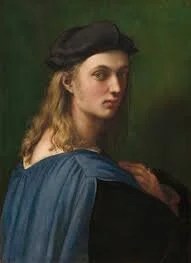
    Bindo Altoviti, c. 1515 by Raphael.

    Earlier interpretations thought that this work was a self-portrait. It is now generally agreed that it is an early portrait of the prominent Florentine banker, Bindo Altoviti.

  • Train Crossing

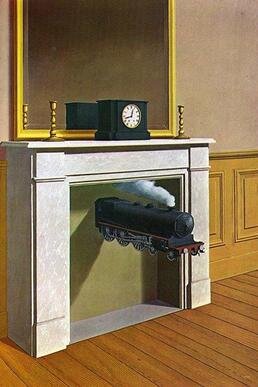
    Time Tranfixed, 1938 by René Magritte.

    The world of dreams that came out of Surrealist paintings is presented by Magritte in a straightforward and clear manner. This allows the viewer to concentrate on the image and what it means rather than looking at the image and spending time figuring out what it is, what it is is immediately evident – so that leaves, what does it mean.

  • Family Dinner

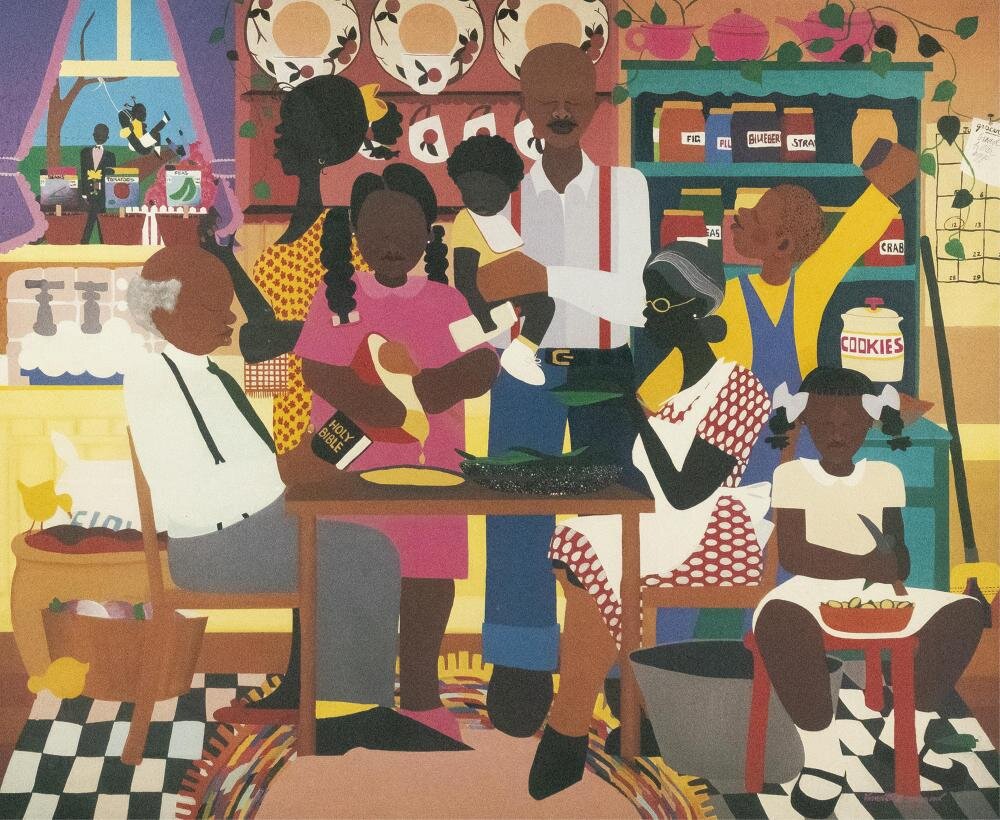
    Old Fashioned Dinner Party, by Varnette Honeywood.

    Although the two images of Honeywood’s work I have depicted here on YDA have revolved around church life, she actually chooses to portray a lot of different types of settings in her artwork, such as this extended family preparing a meal together.

  • Sweet Dreams

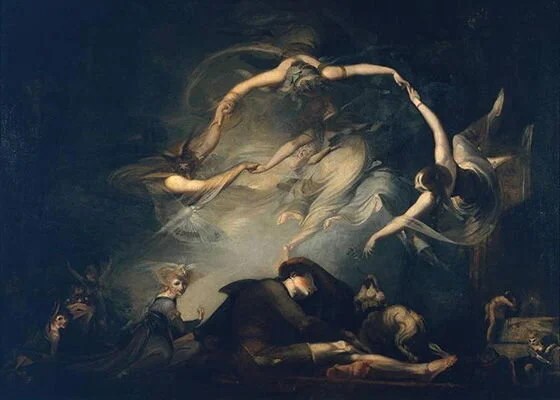
    The Shepard’s Dream from Paradise Lost 1893 by Henry Fuseli.

    Fuseli’s depiction of fallen angels inhabiting the dreams of the shepherd as he sleeps comes from John Milton’s Paradise Lost. At once with joy and fear his heart rebounds.

  • Double Vision

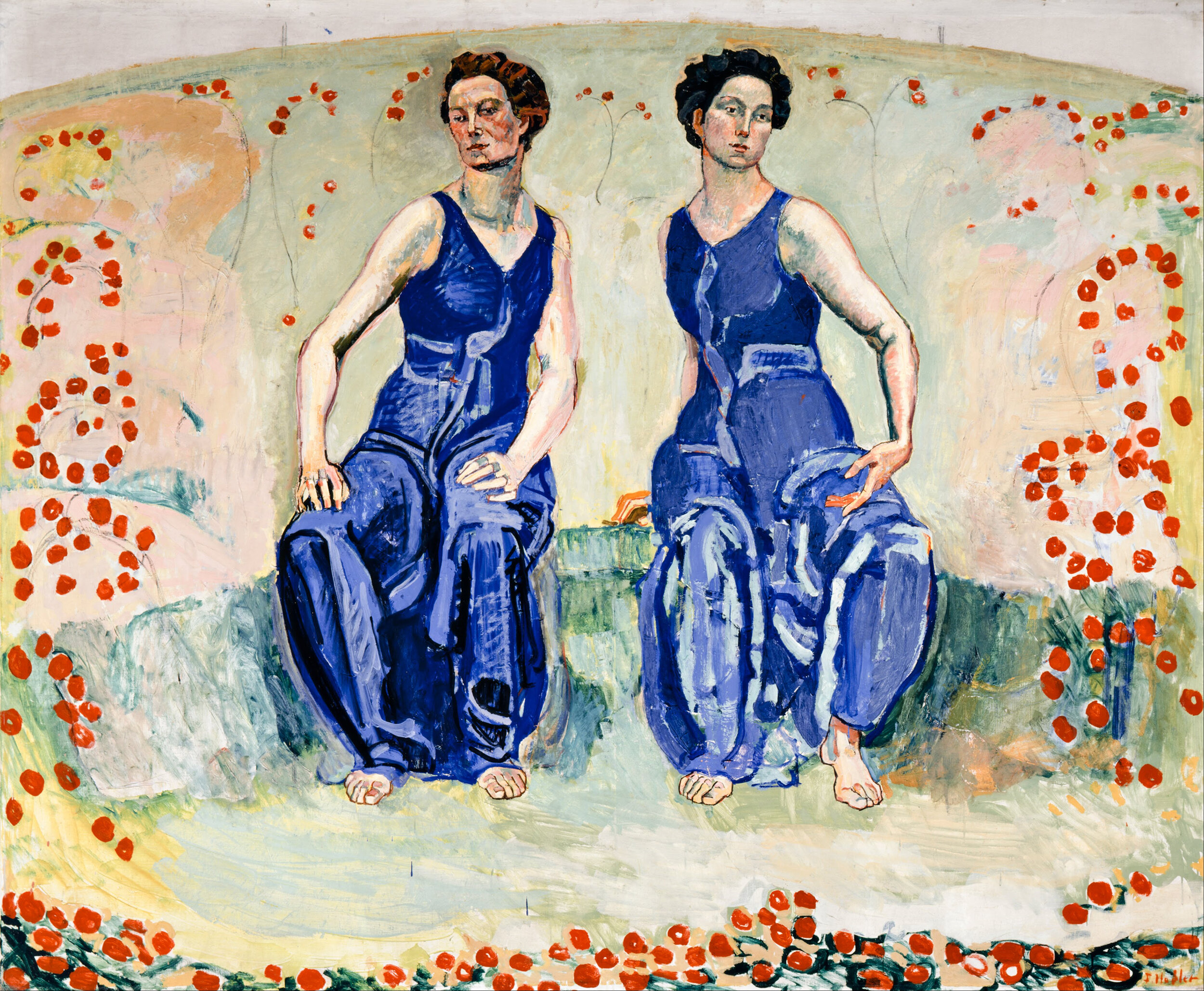
    The Sacred Hour, ca. 1907-77 by Ferdinand Hodler.

    Early in his career Hodler painted mostly landscapes but as he became exposed to more styles such as symbolism and expressionism. his work became more complex however, near the end he returned to landscapes.

  • Hiding in Plain Sight

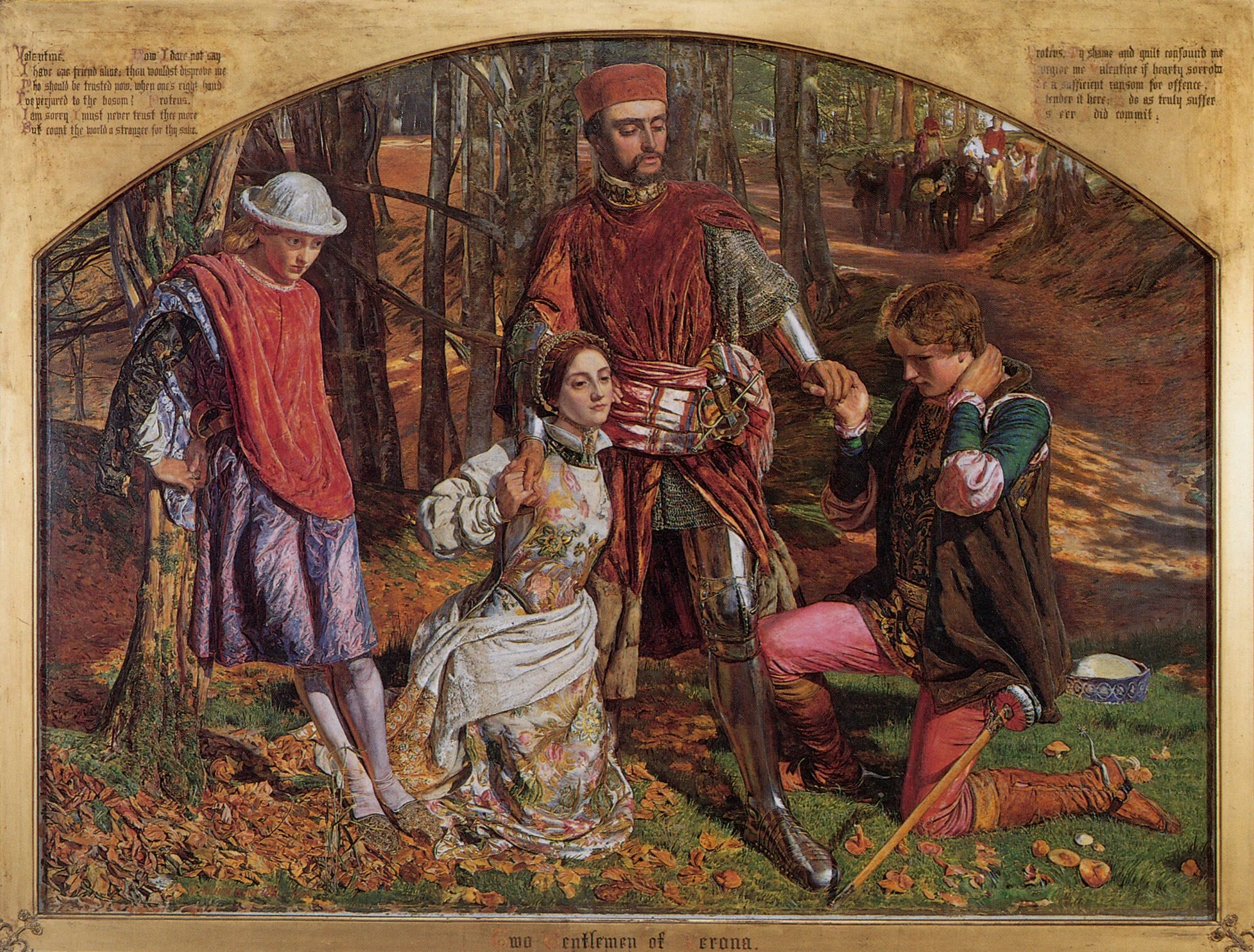
    The Two Gentleman of Verona Valentine Rescuing Sylvia from Proteus by William Holman Hunt.

    One of the original Pre-Raphaelites, Hunt takes his subject from a Shakespeare play. The PRB liked to get their subjects from literature and to paint out of doors in natural light. I’m sure the model for Sylvia Elizabeth Siddal, had sore knees.