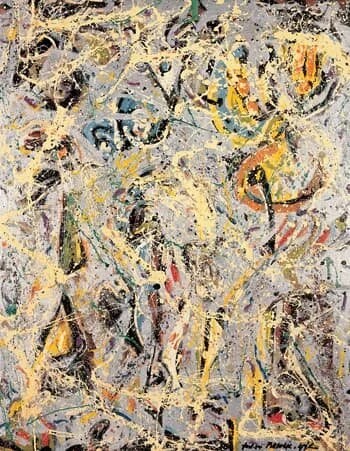
Galaxy, 1947 by Jackson Pollock, Joslyn Art Museum, Omaha, NE.
One of Pollock’s earliest “drip” paintings this work incorporated house paint and automobile paint mixed with sand and ashes.
Galaxy, 1947 by Jackson Pollock, Joslyn Art Museum, Omaha, NE.
One of Pollock’s earliest “drip” paintings this work incorporated house paint and automobile paint mixed with sand and ashes.
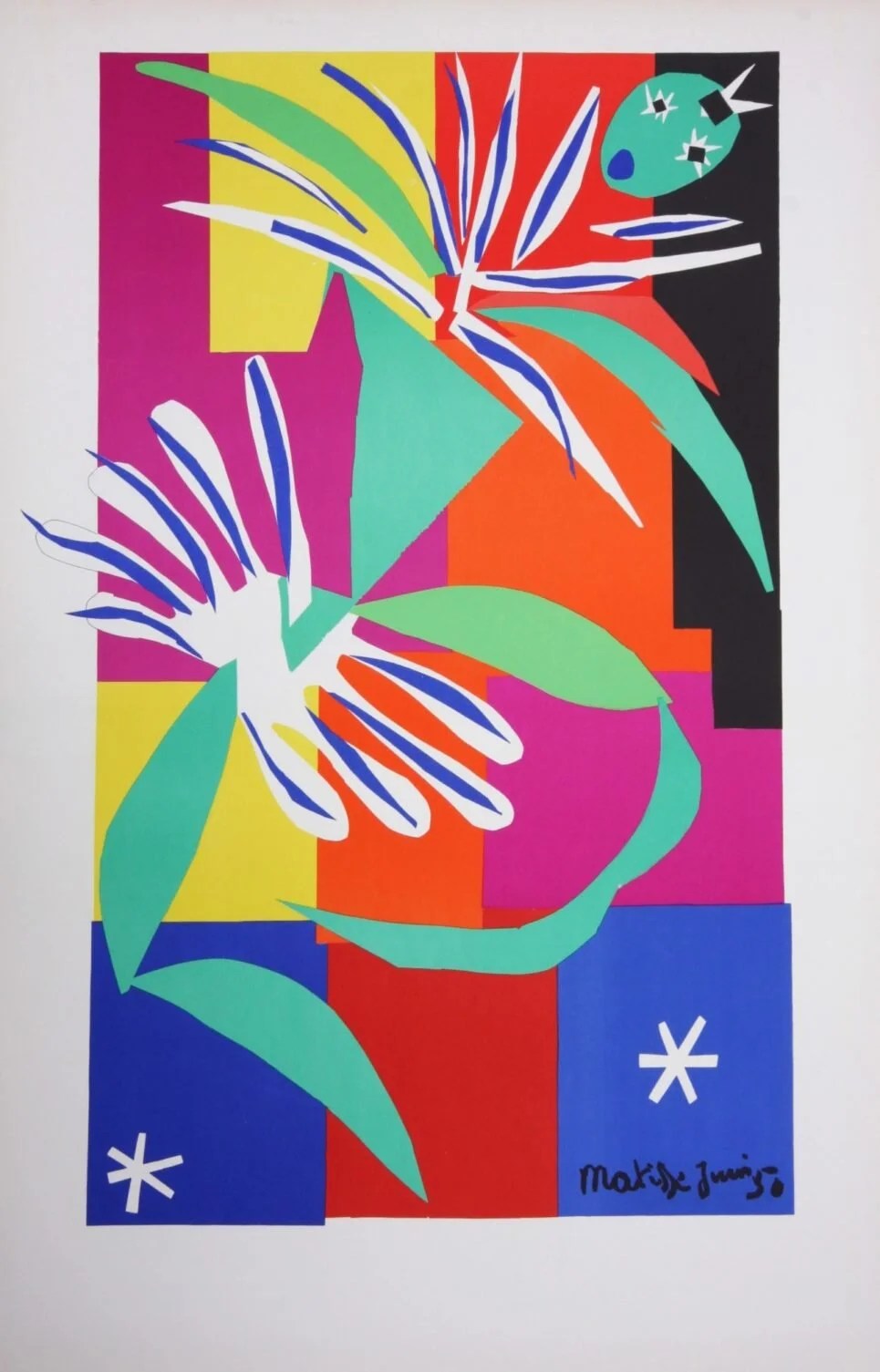
La Danseuse Creole, 1965 by Henri Matisse.
As he was losing his eye sight, Matisse continued to work late in his career creating works (particularly collages) out of bits and pieces of color and shape.
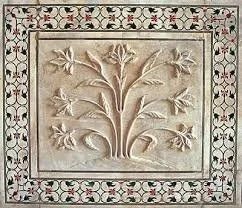
Detail, Taj Mahal, built between 1631 and 1654, India
Shah Jahan the emperor of the Mughal Empire built this monument to his favorite wife Mumtaz Mahal. This detail of a marble decorative frieze.

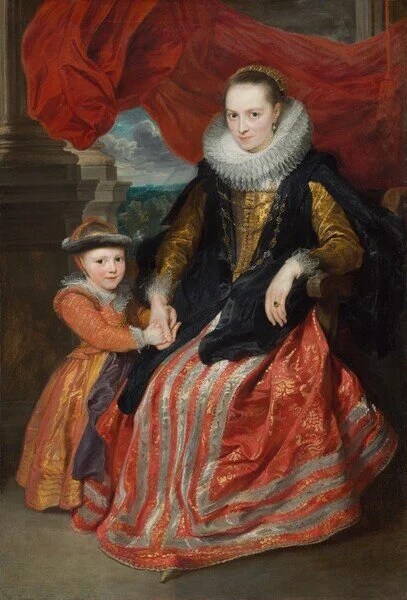
Susanna Fourment and her Daughter, 1621 by Anthony van Dyck, The National Gallery of Art.
A popular subject – Susanna appears again in another 17th century court painting by Anthony van Dyck.
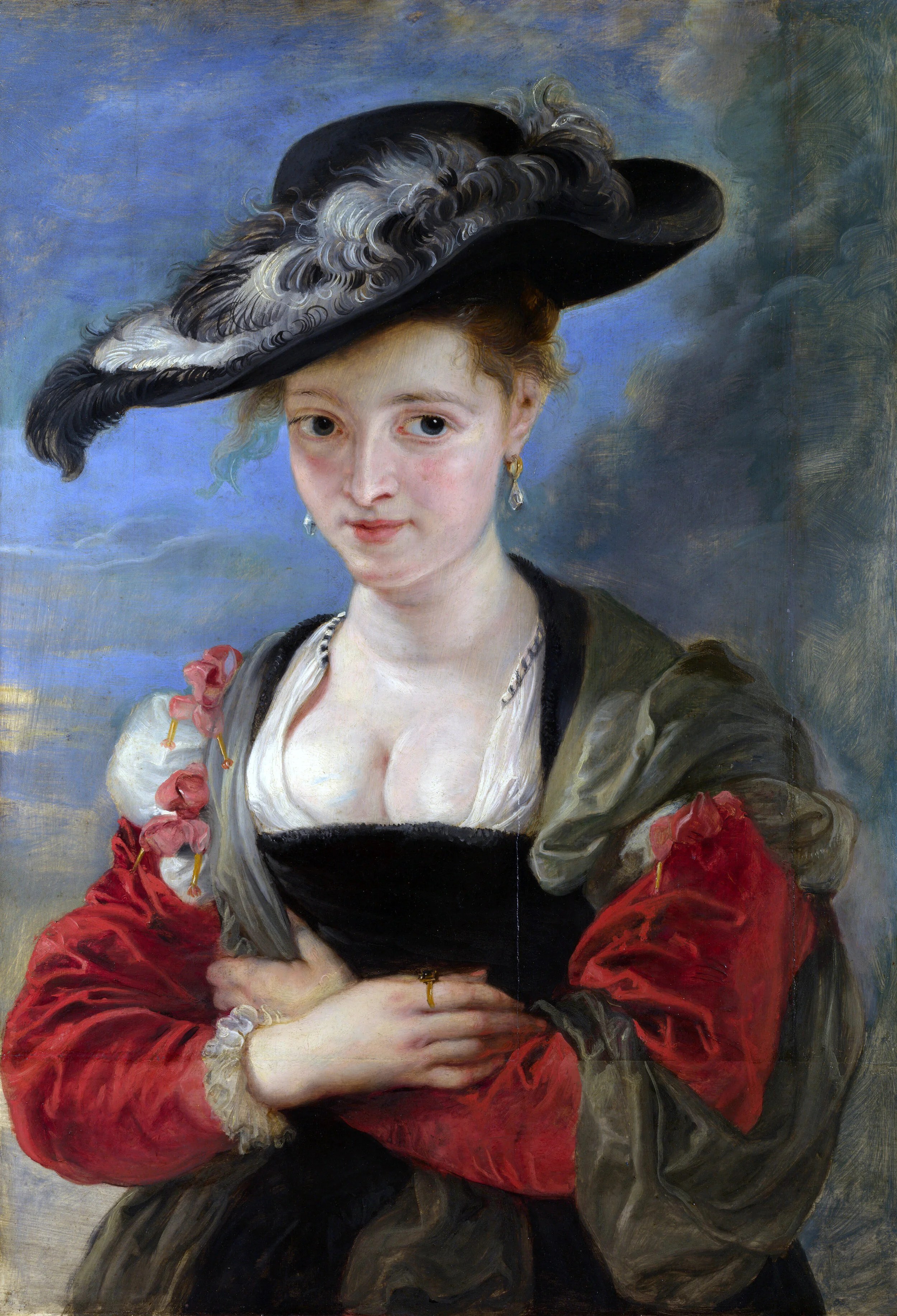
Portrait of Susanna Lunden or Le Chapeau de Paille (The Straw Hat), 1622-25 by Peter Paul Rubens, National Gallery, London.
A portrait of Rubens’ sister-in-law, who was widowed by the time this was painted. Her sister was Rubens’ second wife. Rubens’ was the most famous and popular painter of the 17th century. His paintings of full-figured females have spawned the term “rubenisque” to describe voluptuous figures.

The Trappers Return, 1851 by George Caleb Bingham, Detroit Institute of Arts.
Bingham made a living painting portraits early in his career as an artist, but eventually switched to genre paintings like this. In this version you can see more of a resemblance to a bear cub.

Fur Traders Descending the Missouri, 1845 by George Caleb Bingham, The Metropolitan Museum of Art.
Bingham studied art in the US and in Europe, he lived in Missouri where his family had moved when he was a child. Bingham eventually took up a life in politics. Some experts differ as to the animal with the collar in the front of the boat. Some say it is a cat and some a bear cub.
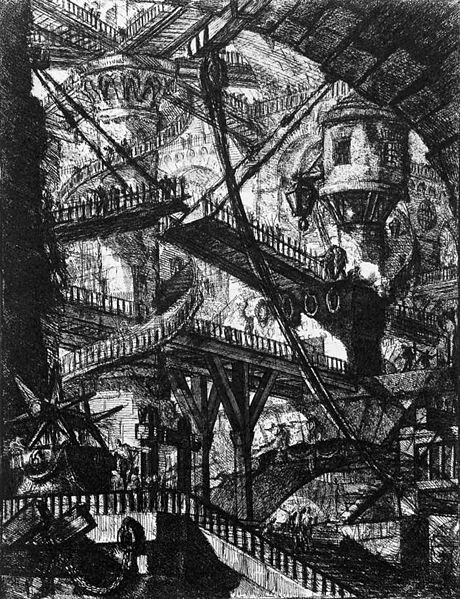
The Prison, plate VII, c. 1760 by Giovanni Battista Piranesi.
Piranesi was always very interested in architecture as his etchings prove. He set about recording the many great monuments and the architecture of Rome.
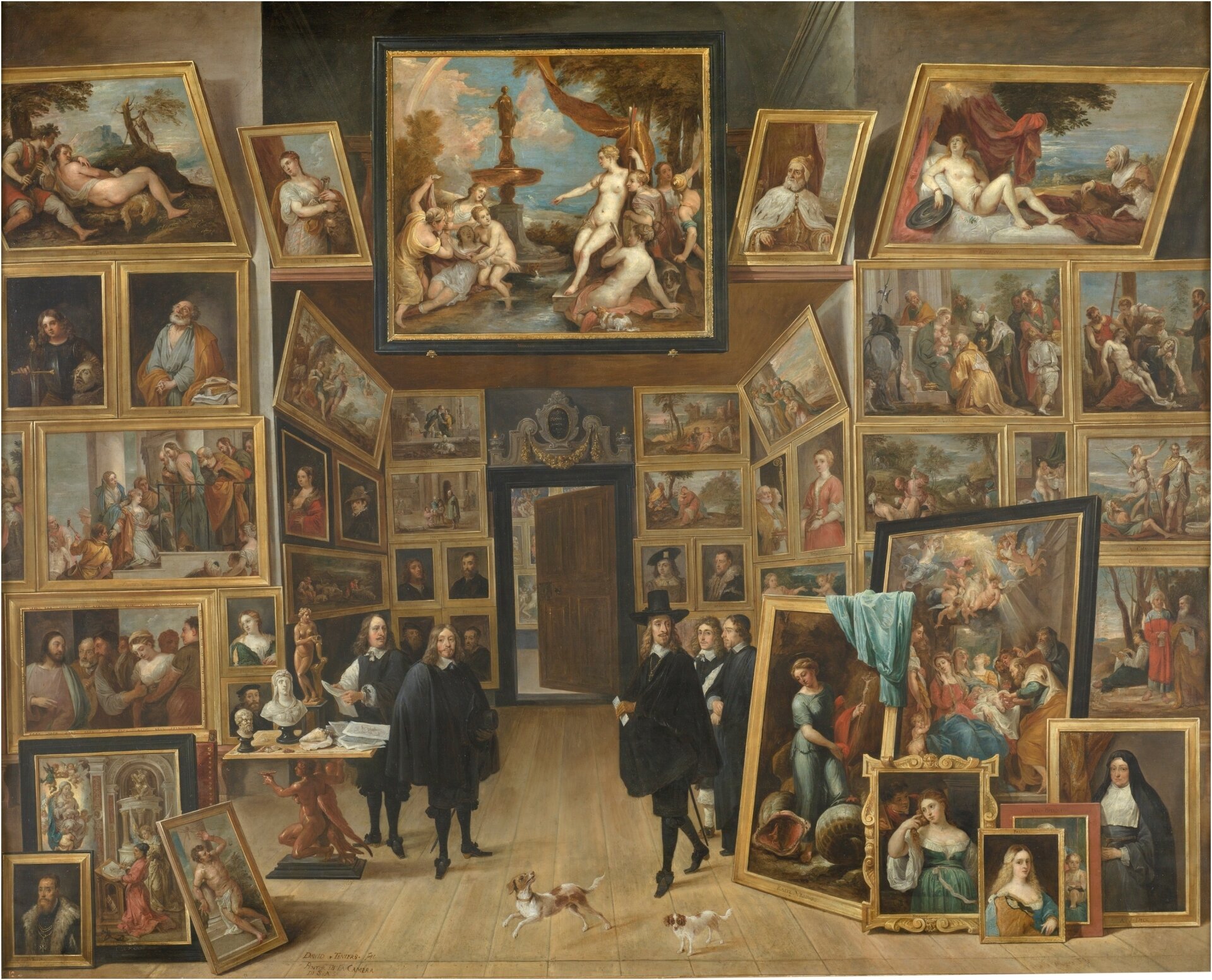
Archduke Leopold Wilhelm in his Gallery at Brussels, c. 1651 by David Teniers.
We are so used to seeing large expanses of wall surrounding works of art, but that is really only a 20th century method of hanging paintings, for years it was done like the gallery in this painting – floor to ceiling, stacked on top of each other.
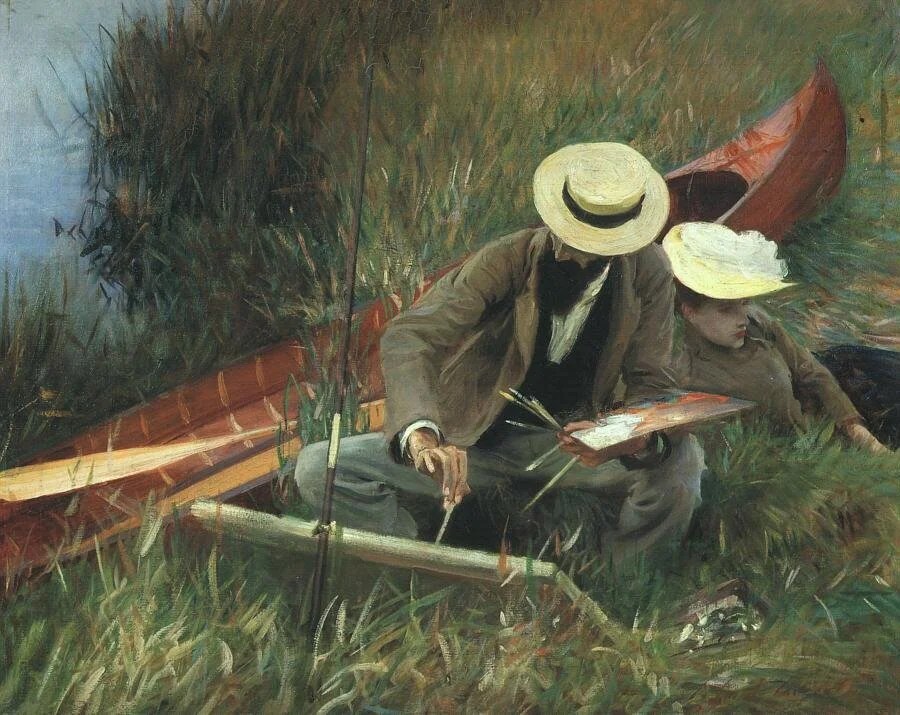
Paul Helleu Sketching with his Wife, 1889 by John Singer Sargent, The Brooklyn Museum, New York.
Rather than the more formal portraits for which he is better known, in this piece we see a portrait by Sargent, but in a casual setting.

