• Guillaume

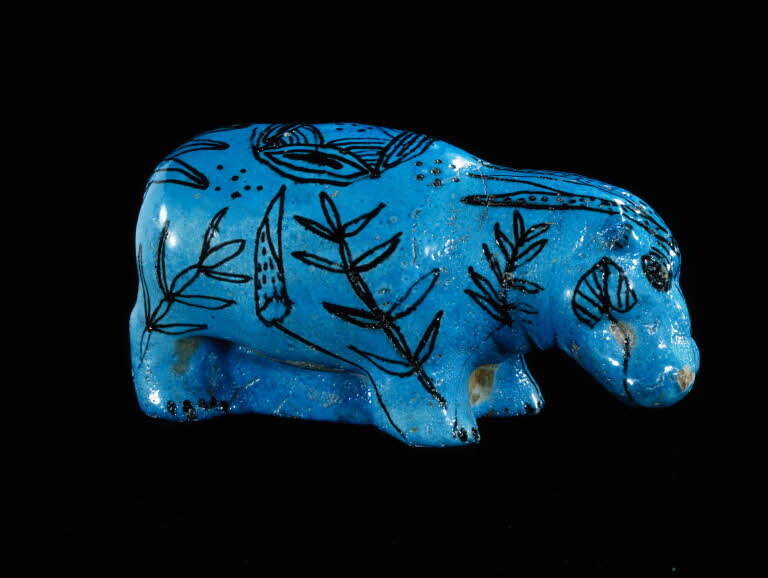
    Egyptian Faience Hippo, Middle Kingdom Period, 3800 – 1710 BC.

    Faience is a type of ceramic with a high concentration of quartz. When fired it turns a bright blue. While the Ancient Egyptians considered the male hippo very dangerous the female was thought to bring luck in maternity. The lotus flower and other plants that decorate the body represent the river where the hippo lives.

    Also see William at the Met.
  • More Greek Sculpture

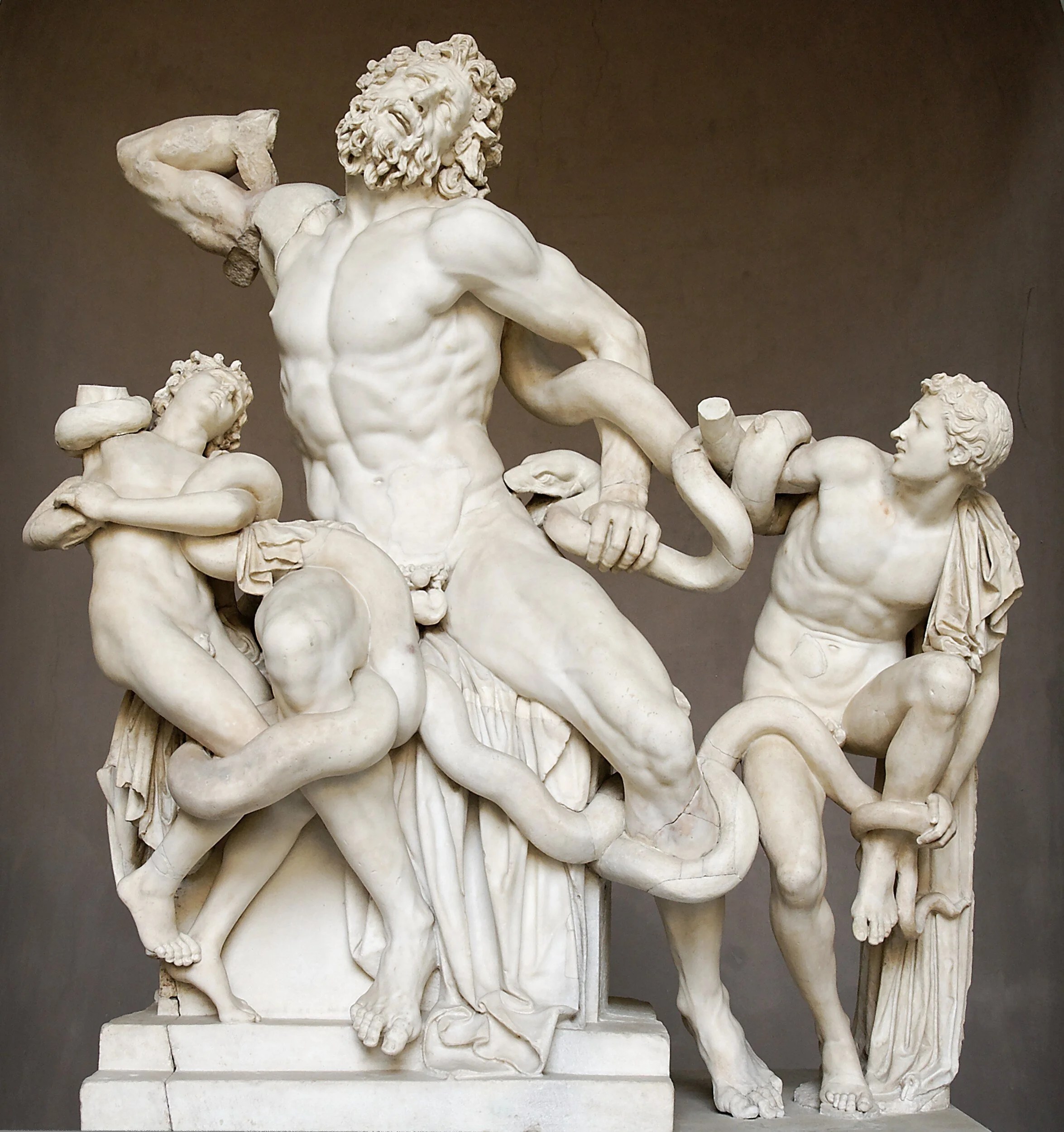
    Laocoon and his Sons (or Laocoon Group), Greek Hellenistic (most likely 42 -20 BC), Vatican Museums, Rome.

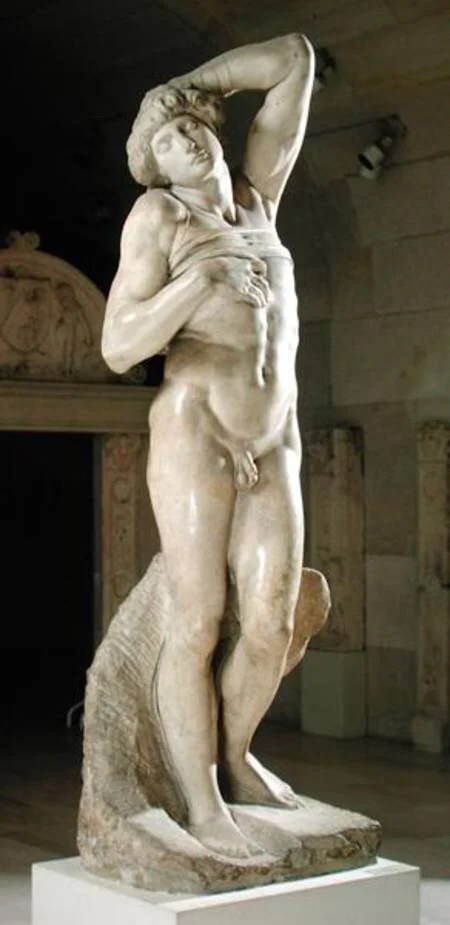
    Laocoon warning about the Trojan Horse earned him the wrath Poseidon who sent serpents to attack him and his sons. Michelangelo was influenced by this work and the contortions of the body of Laocoon can be seen in many of his works, especially something like the Dying Slave.

    Dying Slave

    , 1513-16 by Michelangelo, Louvre, Paris.

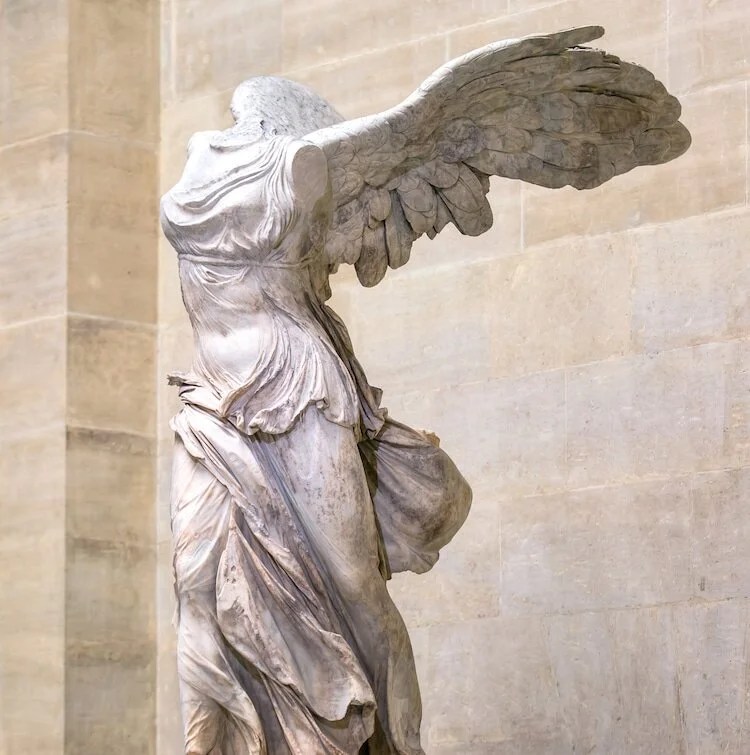
  • Winged Victory

    Nike of Samothrace or Winged Victory, Greek Hellenistic period (220-190 BC) The Louvre, Paris.

    It is thought that this work was originally created to celebrate a naval victory. The dramatically flowing drapery on the figure as well as the wings lend credence to the idea that it was in honor of a naval battle for she stands in the prow of a ship.

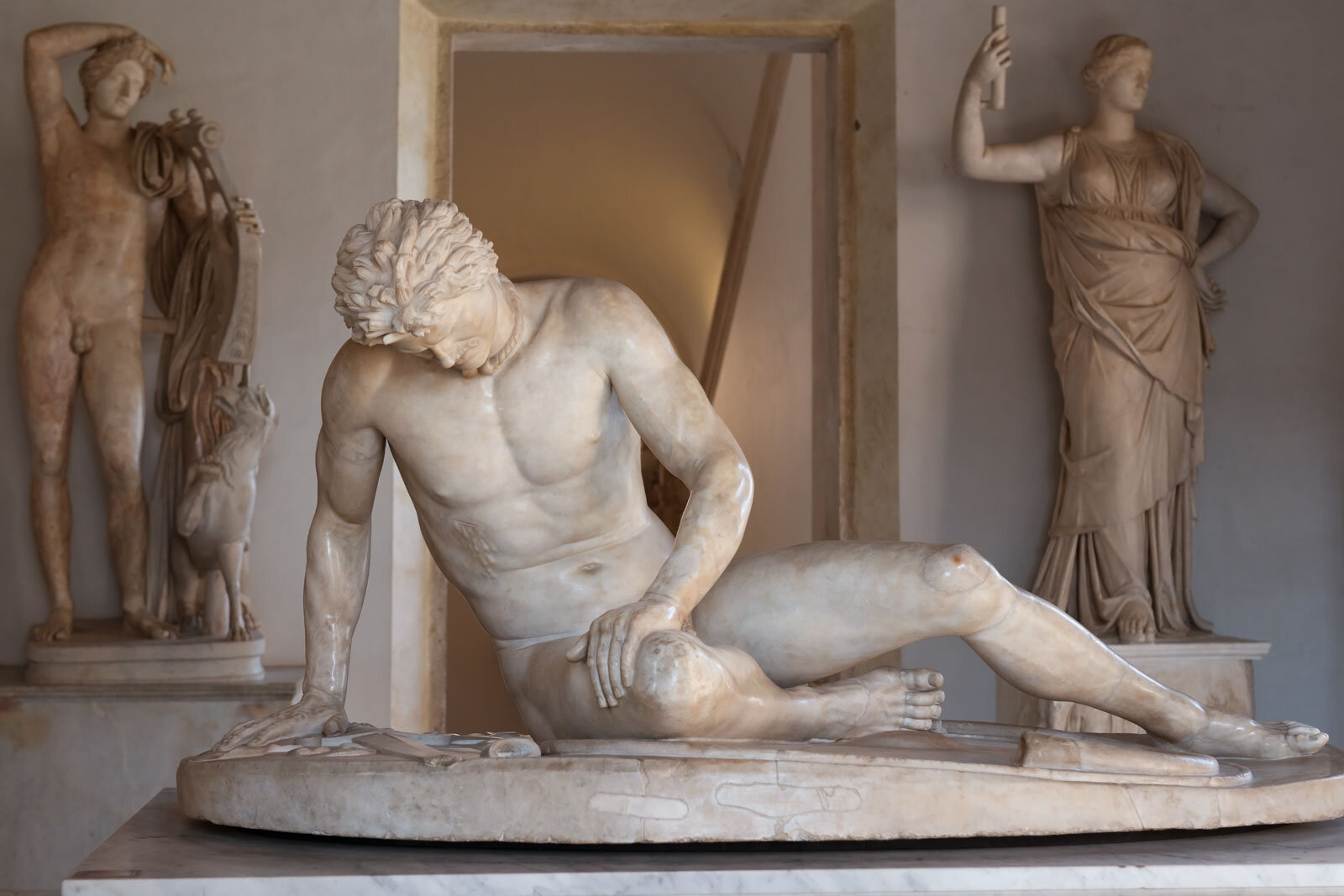
  • A Strong Enemy

    Dying Gaul, Roman Copy from Greek Bronze, 230-220 BC.

    The work was commissioned for the Altar at Pergamon and was commissioned by Attalus I in honor of the Roman victory over the Gauls. The enemy was depicted in a noble manner so it could be shown that they had defeated worthy adversaries.

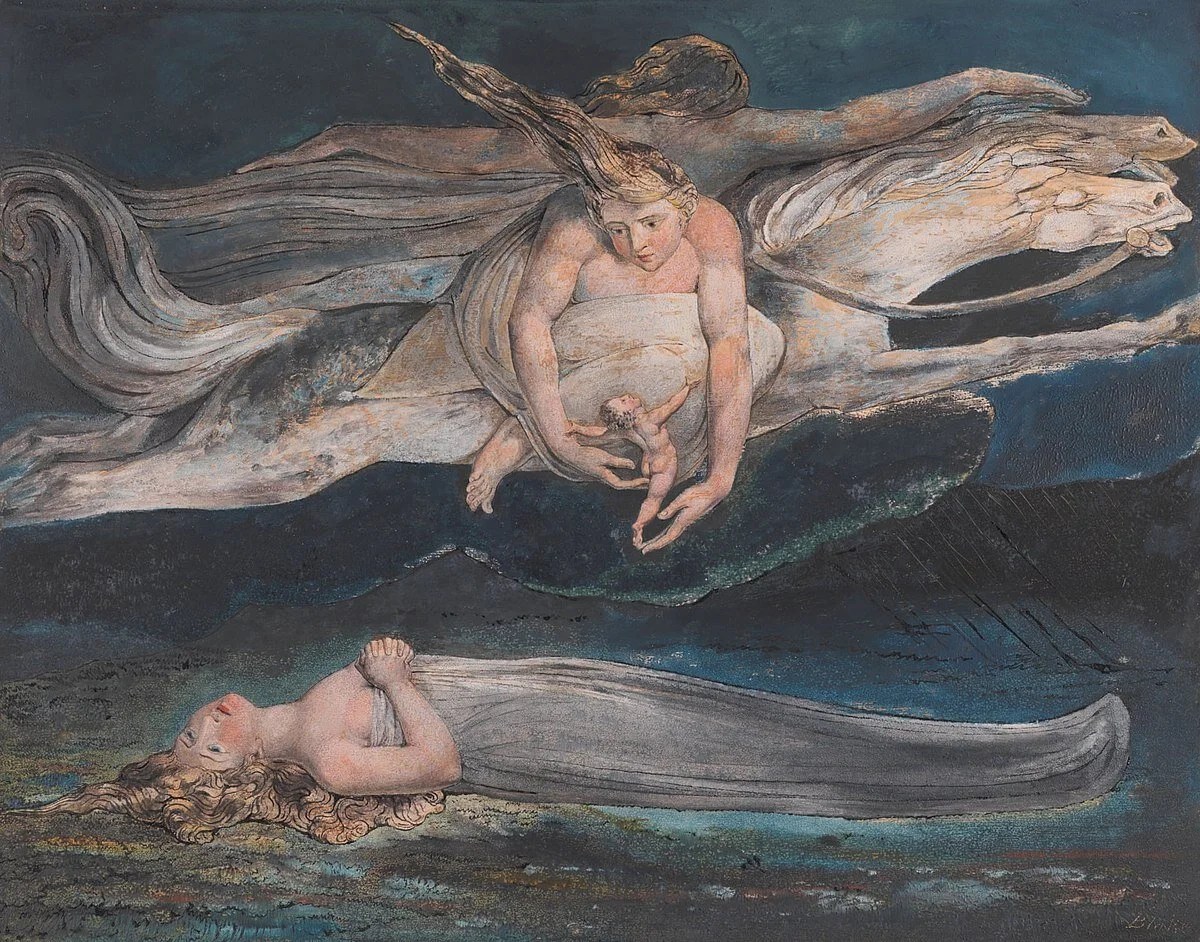
  • Artist and Poet

    Pity, c. 1795 by William Blake.

    From Shakespeare’s Macbeth, Act I, Scene VII when Macbeth what would happen after Duncan is murdered “And pity, like a naked new-born babe, Striding the blast, or heaven’s cherubim, horsed Upon the sightless couriers of the air.”

    Blake’s unique style developed from his training as an illustrator and his unbounded imagination.

  • Uglification

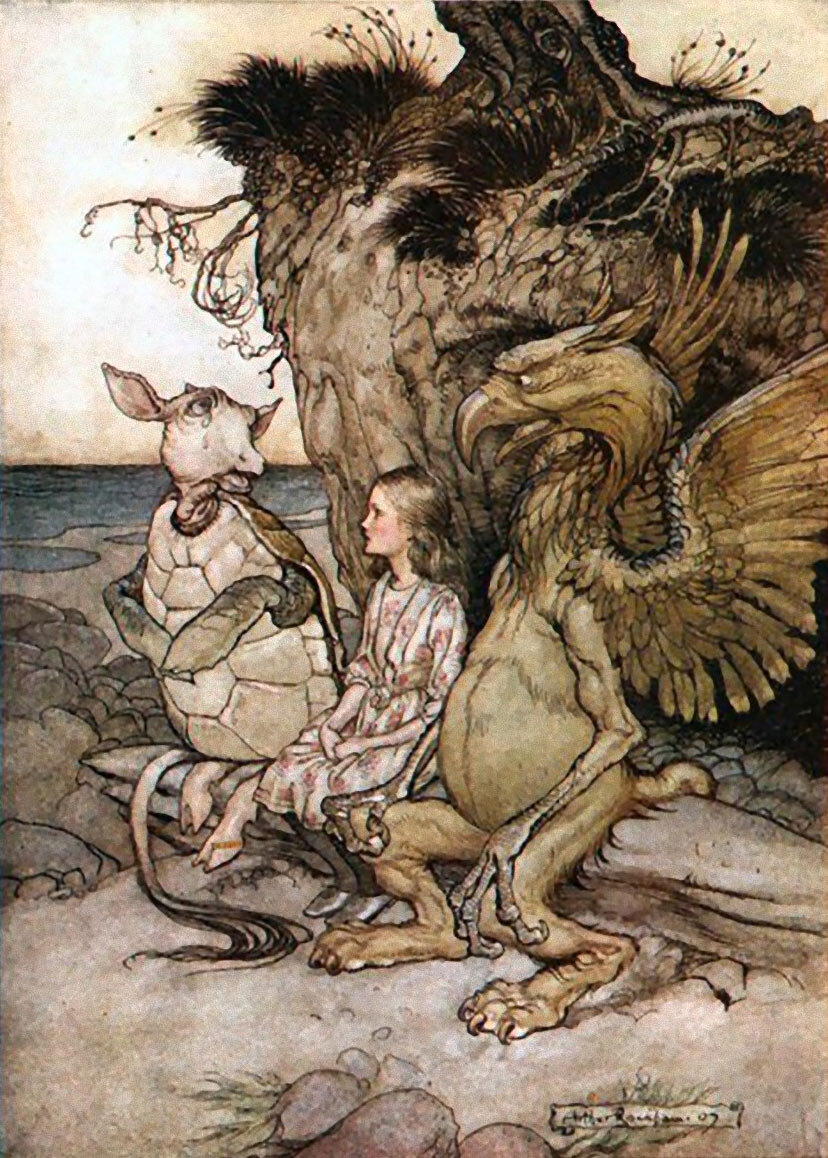
    The Mock Turtle’s Story, 1907 illustrations by Arthur Rackham for Alice’s Adventures in Wonderland by Lewis Carroll.

    …They had not gone far before they saw the Mock Turtle in the distance, sitting sad and lonely on a little ledge of rock, and, as they came nearer, Alice could hear him sighing as if his heart would break. She pitied him deeply. “What is his sorrow?” she asked the Gryphon, and the Gryphon answered, “very nearly in the same words as before, It’s all his fancy, that: he hasn’t got no sorrow, you know. Come on!”….

  • Painting What You Know

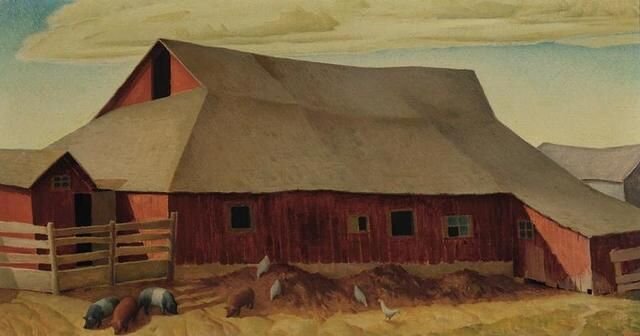
    Cook’s Barn, 1939 by Marvin Cone.

    A friend and fellow teacher of Grant Wood, when you look at Cone’s work you can tell the two artists were working together and sharing techniques. He and Wood collaborated at the Stone City Art Colony.

  • Gaze

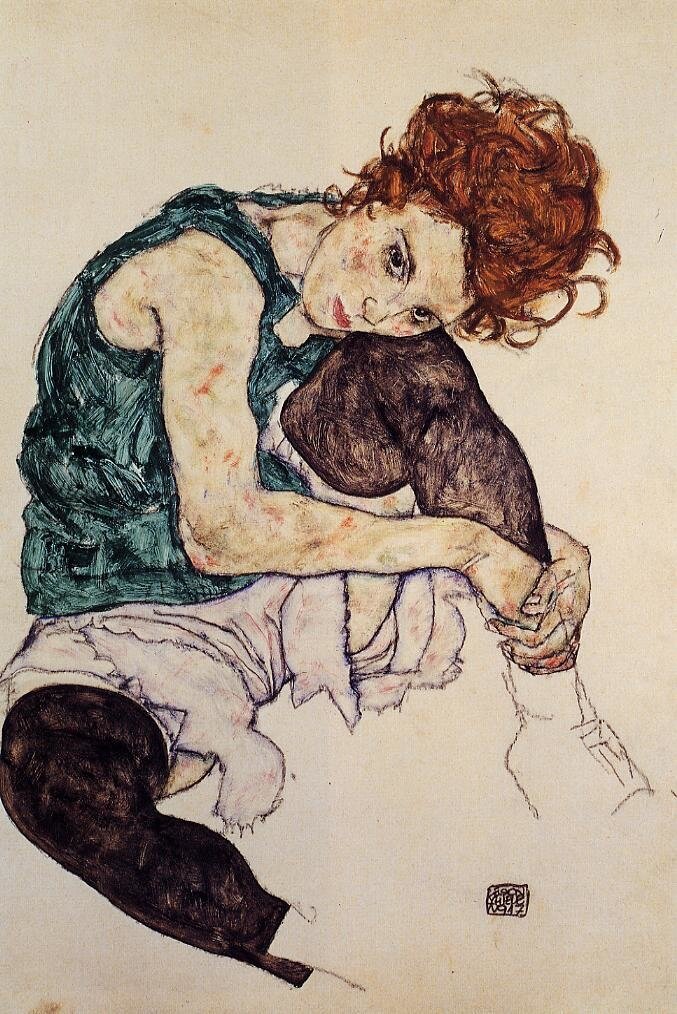
    Seated Woman with Bent Knee, 1917 by Egon Schiele

    Schiele was arrested and imprisoned for immoral artwork. His work was often more explicit than this example; his work is raw and uncompromising. He died at 28 from influenza.

  • Devoted

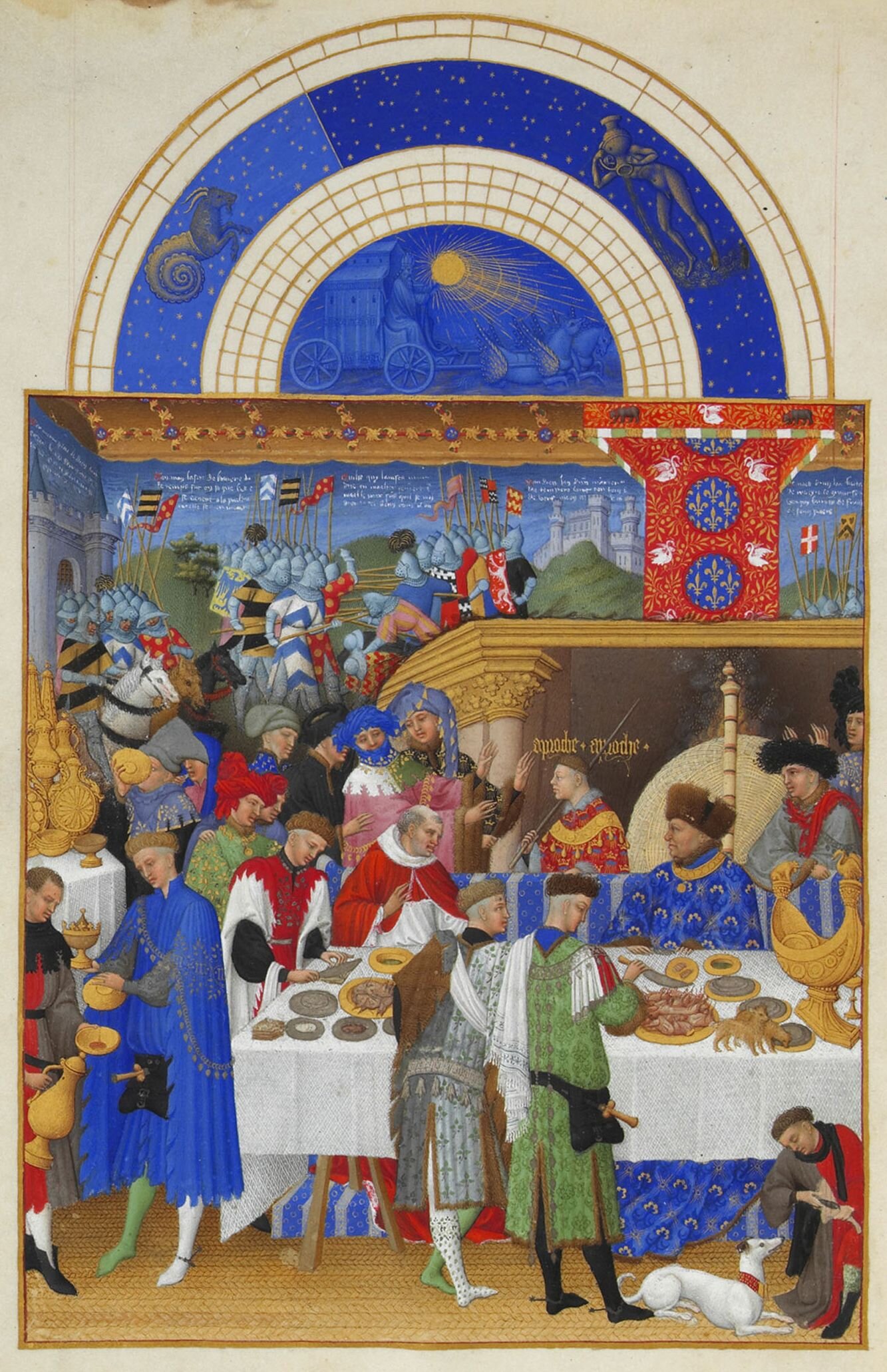
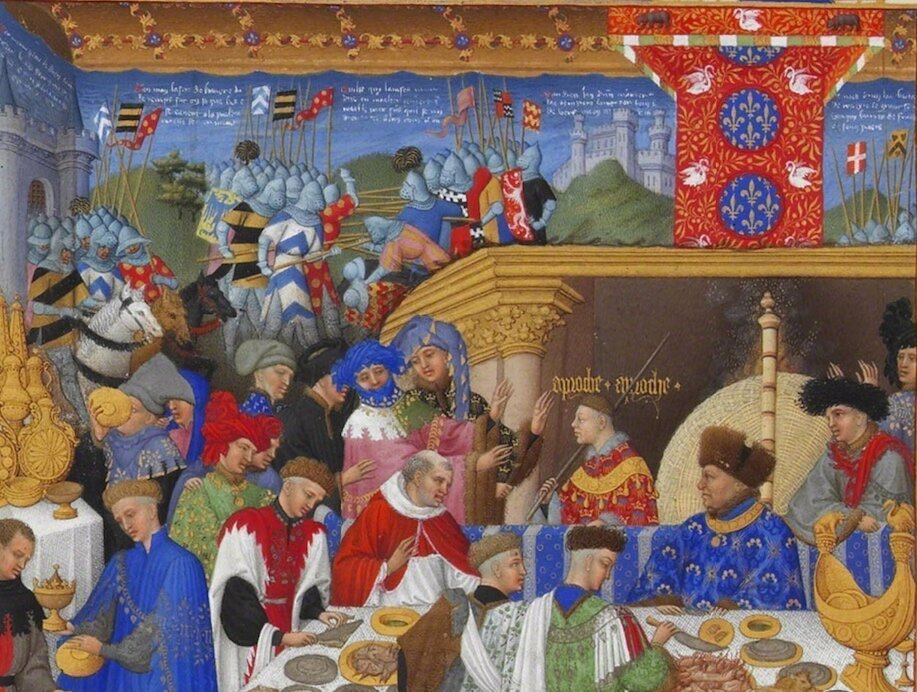
    January by Jean and Paul Limbourg.

    This is a page from one of the greatest surviving Illuminated Manuscripts. Manuscripts were small devotional books made for wealthy individual to use in their personal worship. This one was made for the Duc of Berry who wanted his life and his properties represented. The attention to detail in these small paintings by the Limbourg brothers is remarkable.

  • More Puppies

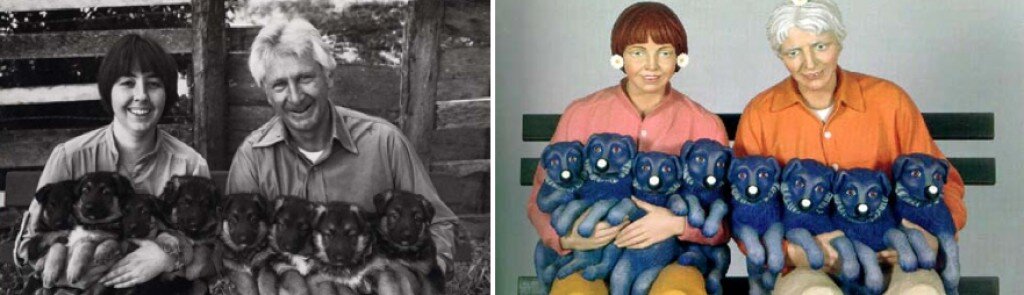
    String of Puppies, 1988 by Jeff Koons, various collections.

    Koons took this image off a card licensed by the photographer and reproduced it. He was sued and the court found that it was copyright infringement. Koons claimed it was an image of everyday life that he reproduced. More “fair use” info.