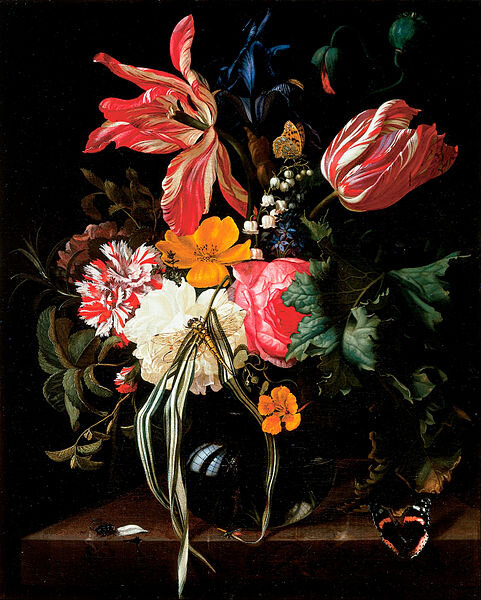
Flower Still Life, 1669 by Maria Oosterwijck.
Dutch Still Life painting has remained a popular genre since it reached it’s zenith in the 17th century. The beautiful colors and arrangements continue to attract and amaze people with their realism.
Flower Still Life, 1669 by Maria Oosterwijck.
Dutch Still Life painting has remained a popular genre since it reached it’s zenith in the 17th century. The beautiful colors and arrangements continue to attract and amaze people with their realism.
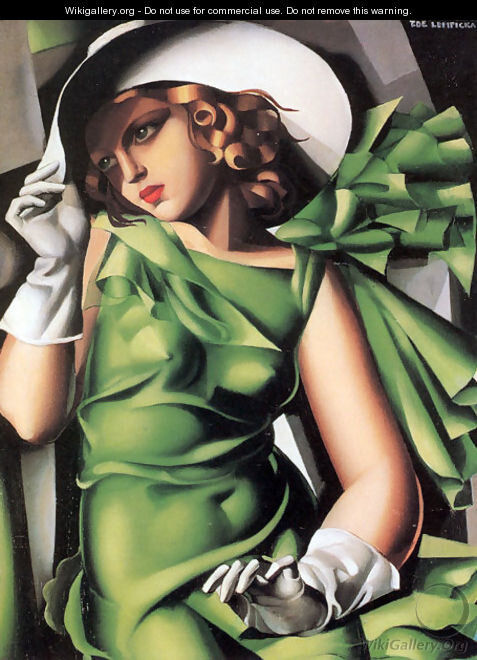
Jeune fille en vert, 1930 by Tamara de Lempicka.
Lempicka has come to represent the Art Deco period in painting because of the fluid lines, rich colors, and sensuousness of her paintings. She was inspired by, and part of, the bohemian scene in Paris in the 1920’s and the Hollywood scene in the late 1930’s and 40’s. She liked socializing and being a part of the most popular groups. She disliked the 1970’s era, feeling it was inferior to the ones that preceded it, but ironically, in the 1970’s her artwork was discovered once again, after a retrospective of her work was shown in Luxembourg and she has remained popular with collectors, since then.
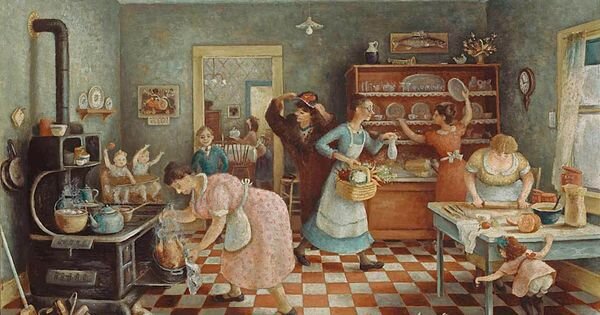
Thanksgiving, 1935 by Doris Lee, Art Institute of Chicago.
The hardest part is getting it all hot and on the table at the same time.
Looking forward to celebrating with family today.
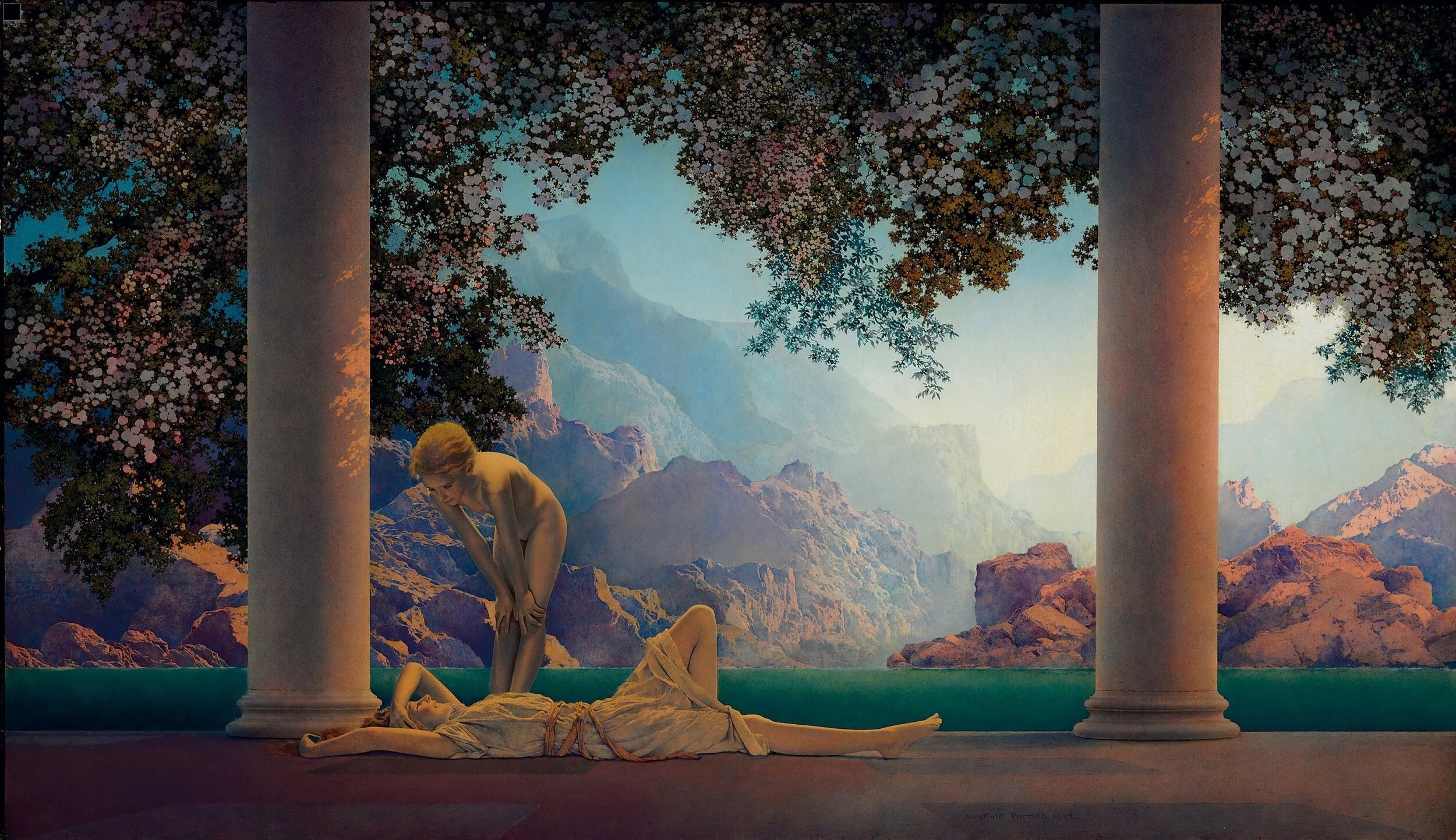
Daybreak by Maxfield Parrish, 1922, Private Collection.
Parrish’s father was an artist and he was encouraged by his family to pursue a career as an artist. He had a good deal of success as an artist, but also as illustrator who added life and color to many books. This is one of his most famous pieces and is still available as a print today.
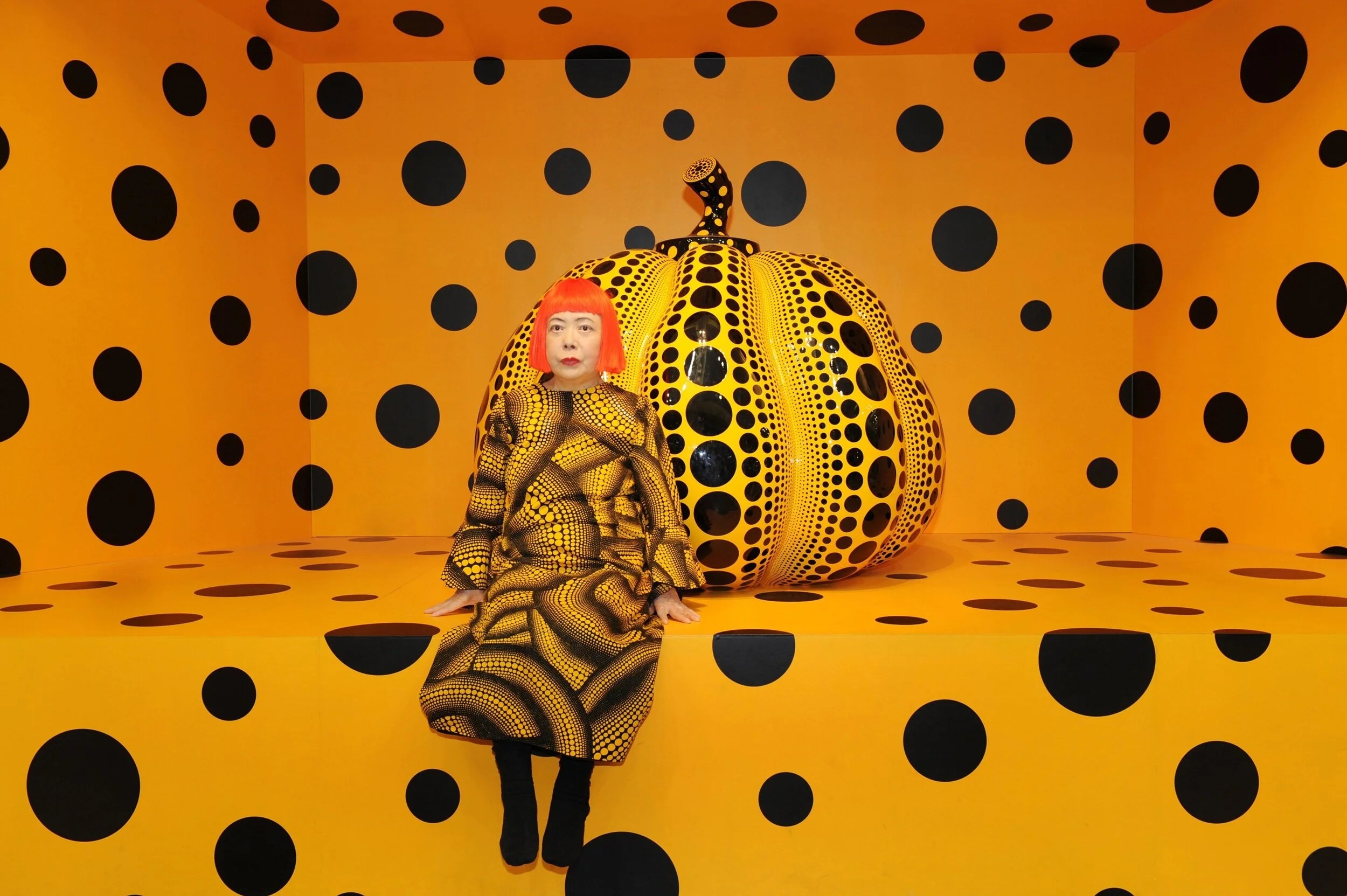
Kusama with Pumpkin by Yayoi Kusama, currently at David Zwirner Gallery NYC
I got to see the Kusama exhibition at the Cleveland Museum of Art in 2018 and I found it to be one of the most exciting and interactive exhibitions I had seen in a long time. Her work is so colorful and uplifting that is the perfect art for the social media age. Hi neighbors: The Phoenix Museum of Art has a Kusama Infinity Room too (see it when they re-open).
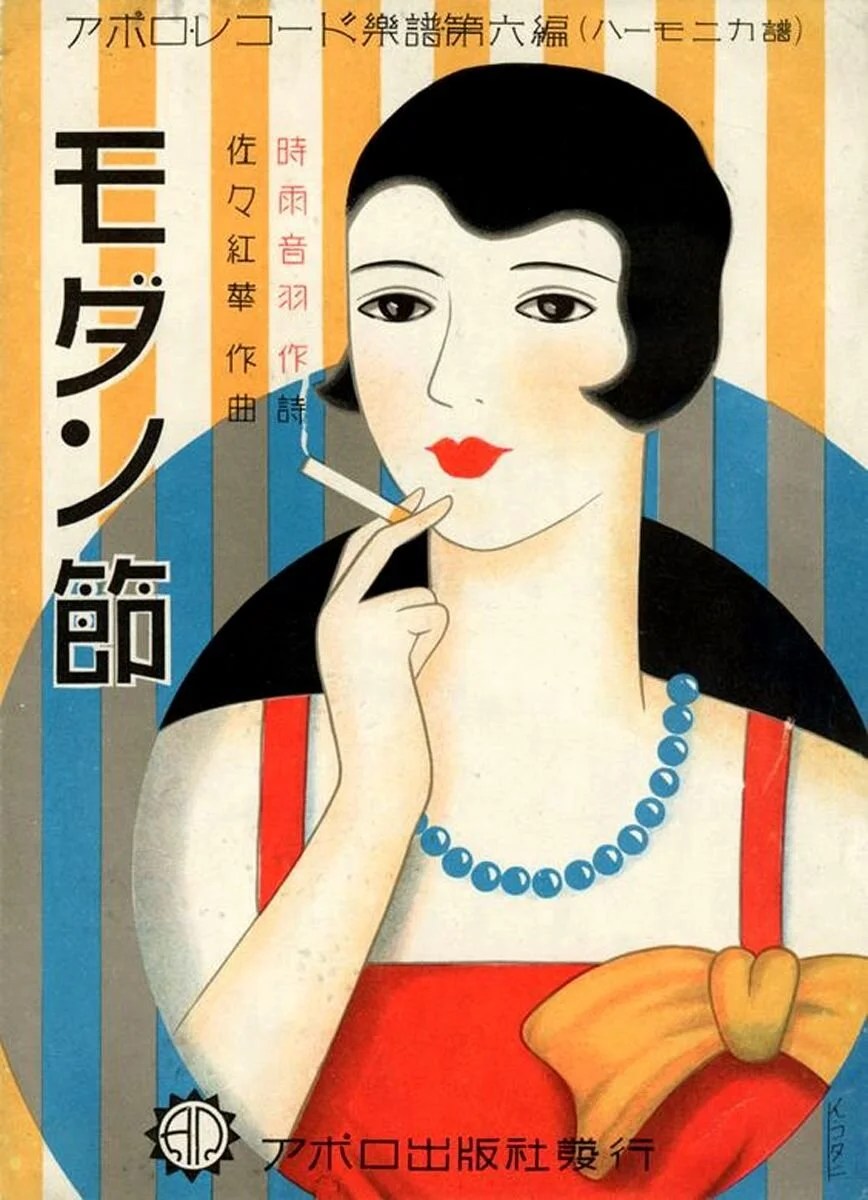
The Modern Song (Modan bushi) by K. Kotani, 1930.
Japanese Art Deco period. The work presented shows us a country working to combine tradition with the modern western world whose influence had been felt in Japan for a while, but whose culture was only then beginning to be adapted. This can be seen most prominently in the depiction of the Japanese version of the “Flapper,” or modern early 20th century woman, who was up-ending society in the West.
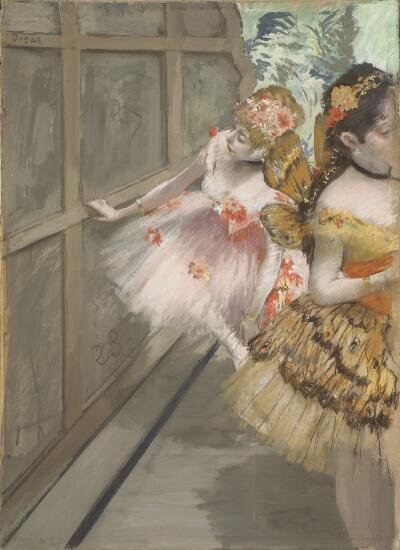
Dancers in the Wings by Edgar Degas, 1876-78, Pastel
Degas is well known for his superior ability to draw and to fade into the background so that he could capture a scene without influencing what was happening.
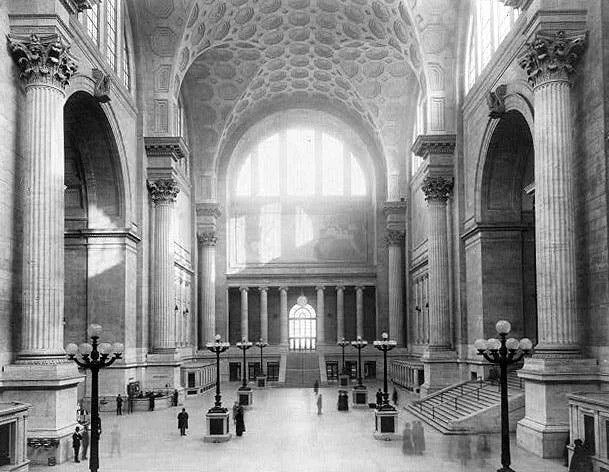
The Old Pennsylvania Station, NYC, 1910-1963, McKim, Mead, and White Architects.
When the original Beaux-Arts station was torn down in 1963 there was such an uproar from the citizens of NYC that the New York City Landmarks Preservation Commission was established. The loss of historic architecture to make way for future projects is a double-edge sword, what went up in its place is Madison Square Garden. The destruction of this building was featured in an episode of the television series Mad Men.
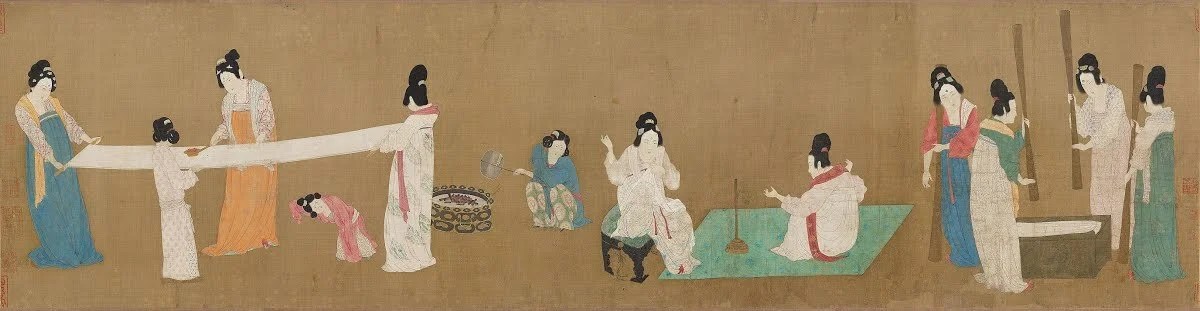
Court Ladies Preparing Newly Woven Silk Emperor Huizong, 11th cantury, The Museum of Fine Arts, Boston.
Emperor Huizong is the one of the most famous of the Song Dynasty emperors. He followed the Taoist religion and was known to be a fine artist, poet, and writer who surrounded himself with others who shared his interests. His interests in things artistic led to his downfall when his army, such as it was, was easily overtaken and he was replaced as emperor by the Jin forces.
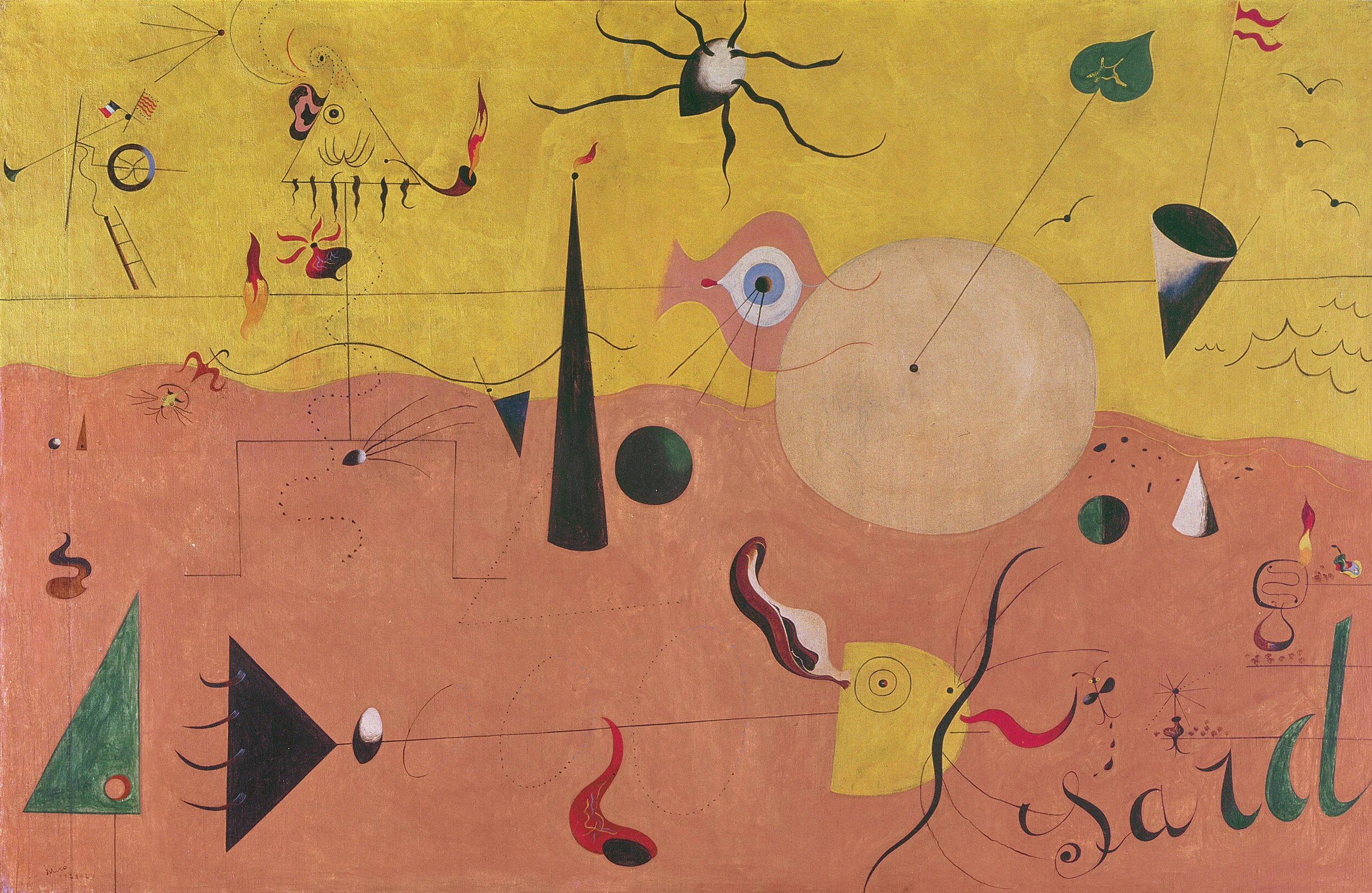
The Hunter (Catalan Landscape) by Joan Miro, 1923-24, MoMA, NYC.
Miro began his work as a painter doing portraits but soon found the work of artists like Picasso and the Surrealists with whom he socialized in Paris, to influence him to try other directions in his paintings. The Spanish Civil War drew his work into a political realm as his countrymen suffered at home. His career lasted well into the later part of the twentieth century, in fact a large tapestry he did for the World Trade Center was one of the most valuable pieces of art work that was destroyed on September 11, 2001.
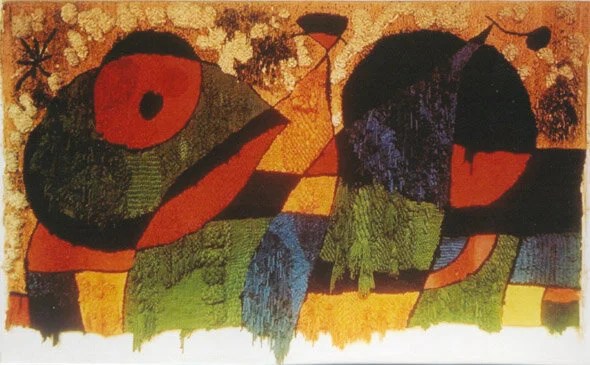
Figure 6 by Joan Miro, 1974, The World Trade Center (destroyed 9/11/01).

