
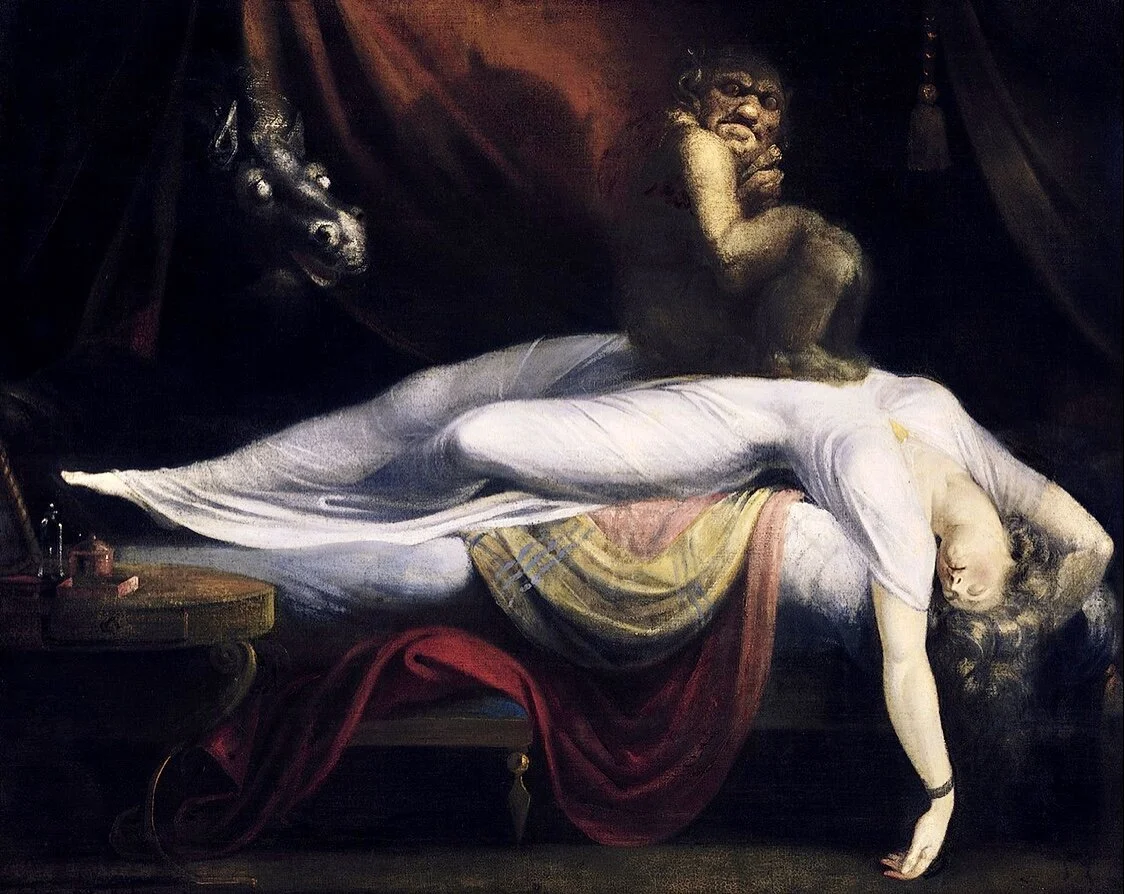
Henry Fuseli, The Nightmare, 1781.
From the first time this painting was exhibited, the scene has intrigued audiences as they work to understand the scene and the figures.
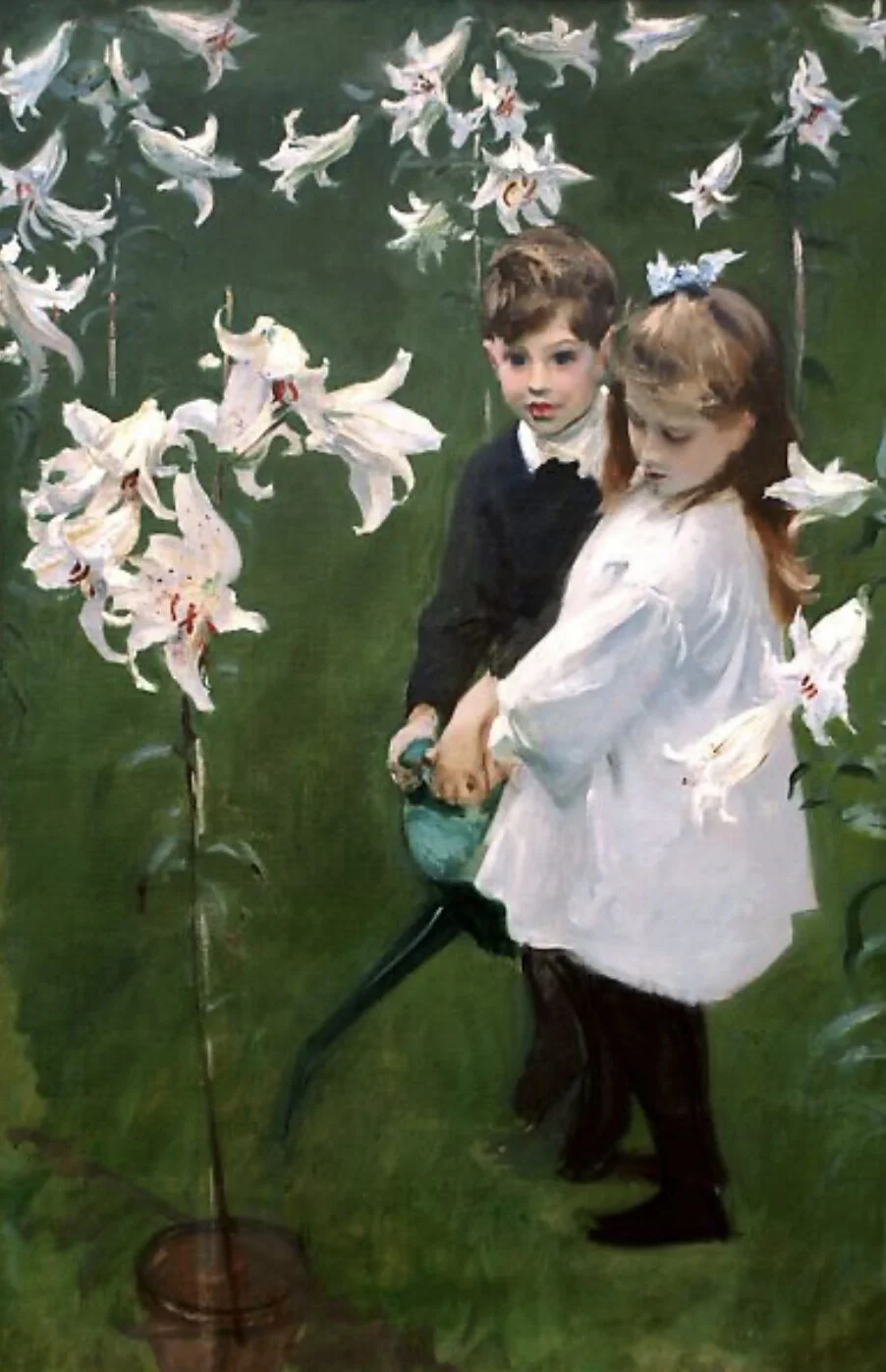
White Lilies
JS Sargent, Garden Study of the Vickers Children, 1884.
Pipe Dreams
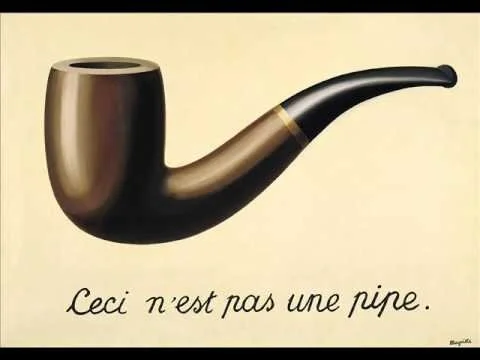
The Treachery of Images by Rene Magritte.
Surrealist Magritte has written "This is not a pipe" underneath an image of a pipe. His point is to remind the viewer that although you might be tempted to call this a pipe when you see it, is just a painting of a pipe.
Father of Modern Art
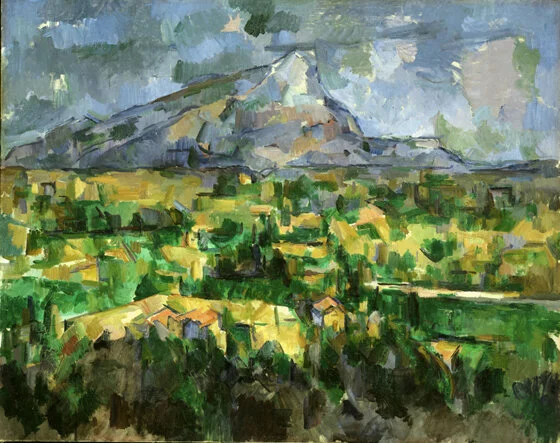
Mount Sainte-Victoire, 1904-1906 by Paul Cézanne, Philadelphia Museum of Art.
Cézanne is considered to be the father of modern painting. His use of loose brush strokes and flattened planes led to Impressionism and Cubism. His bright palette influenced the Fauvist painters, as well.
Interpretations of Justice
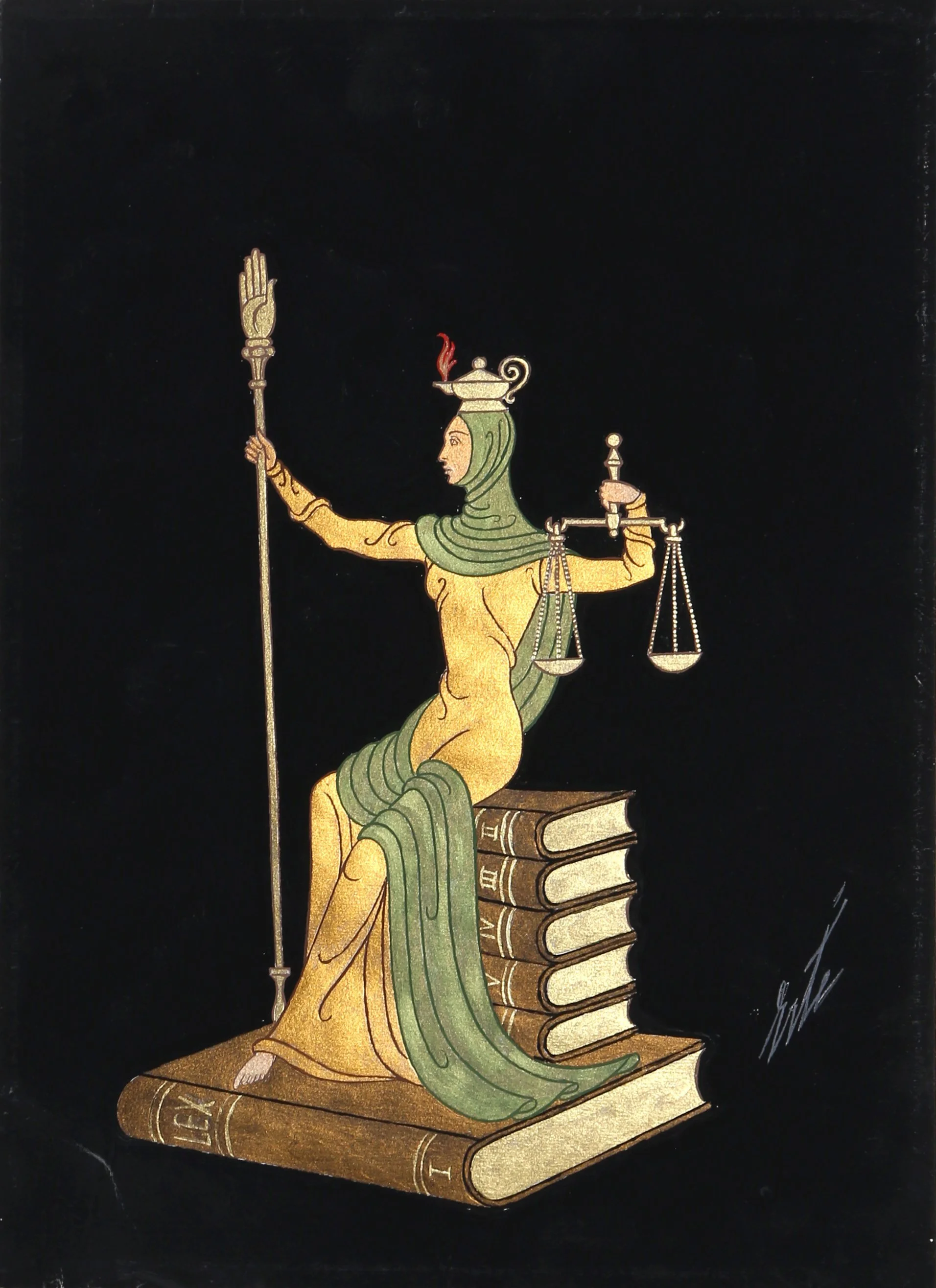
Justice, c. 1970 by Erte
A more modern take on Lady Justice.
You Are What You Are
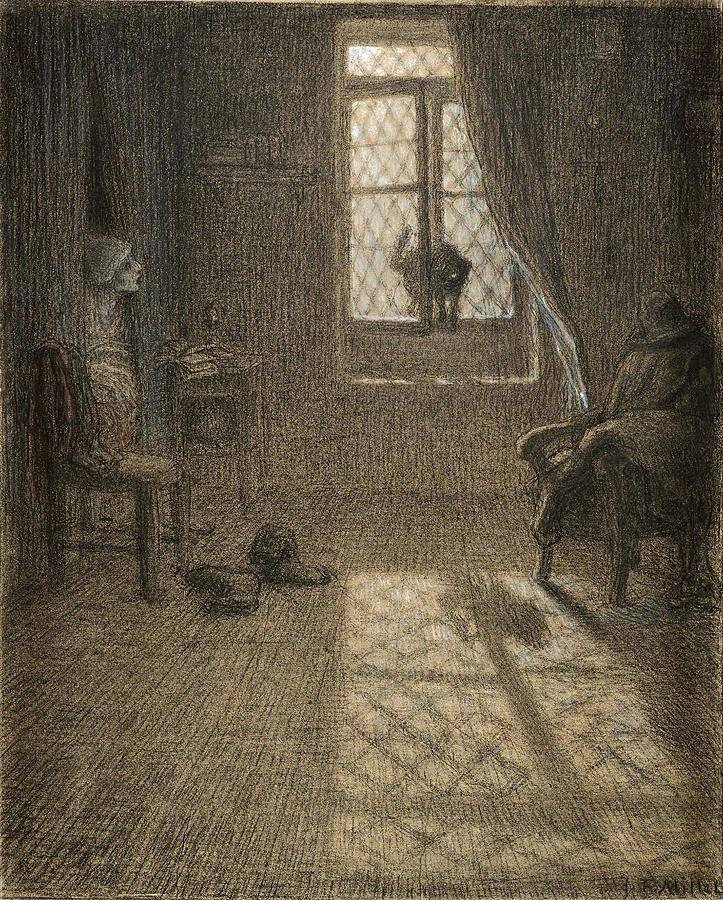
Le chat (The Cat at the Window), 1857-58 by Jean Francois Millet.
Millet's illustration of "The Cat Who Became a Woman," a fable by the seventeenth-century French writer Jean de La Fontaine. According to the story, a man becomes infatuated with his cat and convinces Destiny to change her into a woman. He marries her, but on their first night together she springs from the marriage bed to chase a mouse across the bedroom floor. The fable's moral is "The truth will out": no matter how much one's outward appearance changes, one's essential character remains.
Alone on Stage

L'etoile [La danseuse sur la scene] (The Star [Dancer on Stage]) 1878, by Edgar Degas.
Degas did a large series of paintings and sculptures of ballet dancers, all levels of dancers and on the stage and behind the scenes. When I was a child, a print of this painting was in my bedroom. I remember the eyes freaked me out because they were all black.
Model and Muse
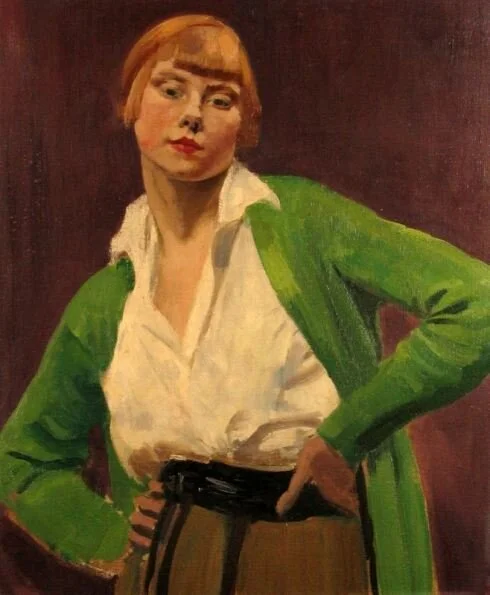
Iris Tree by Augustus John.
Tree was a poet and artist’s model probably better known in a famous portrait by Amedeo Modigliani. John had a very robust career being one of the most well known artists in the UK in the early 20th century.
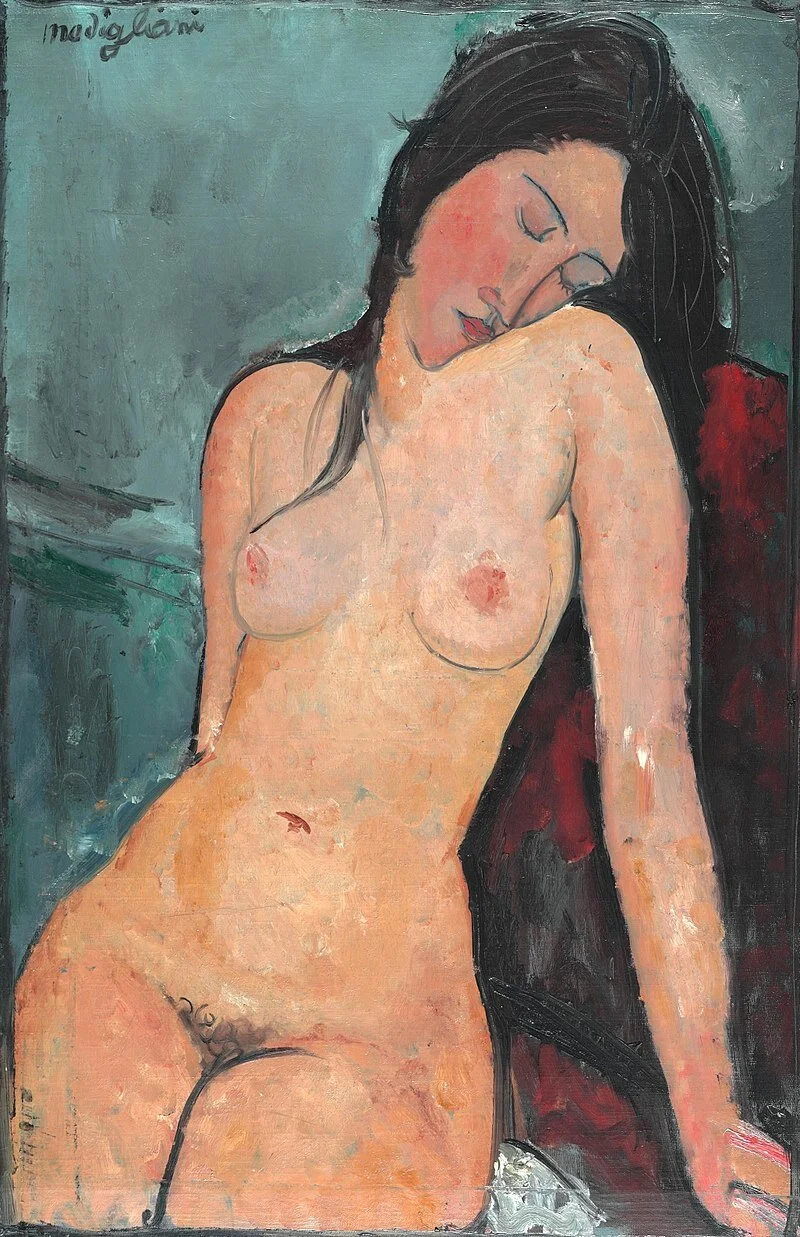
Iris Tree by Armedo Modigliani c. 1916
Careful Reading

The Precious Book , c.1920 by Gwen John.
John studied under James McNeill Whistler in Paris and at the Slade School in London where she developed her agitated style. Her brother Augustus John was also a painter and quite popular during his day, overshadowing his older sister.
Nice vase
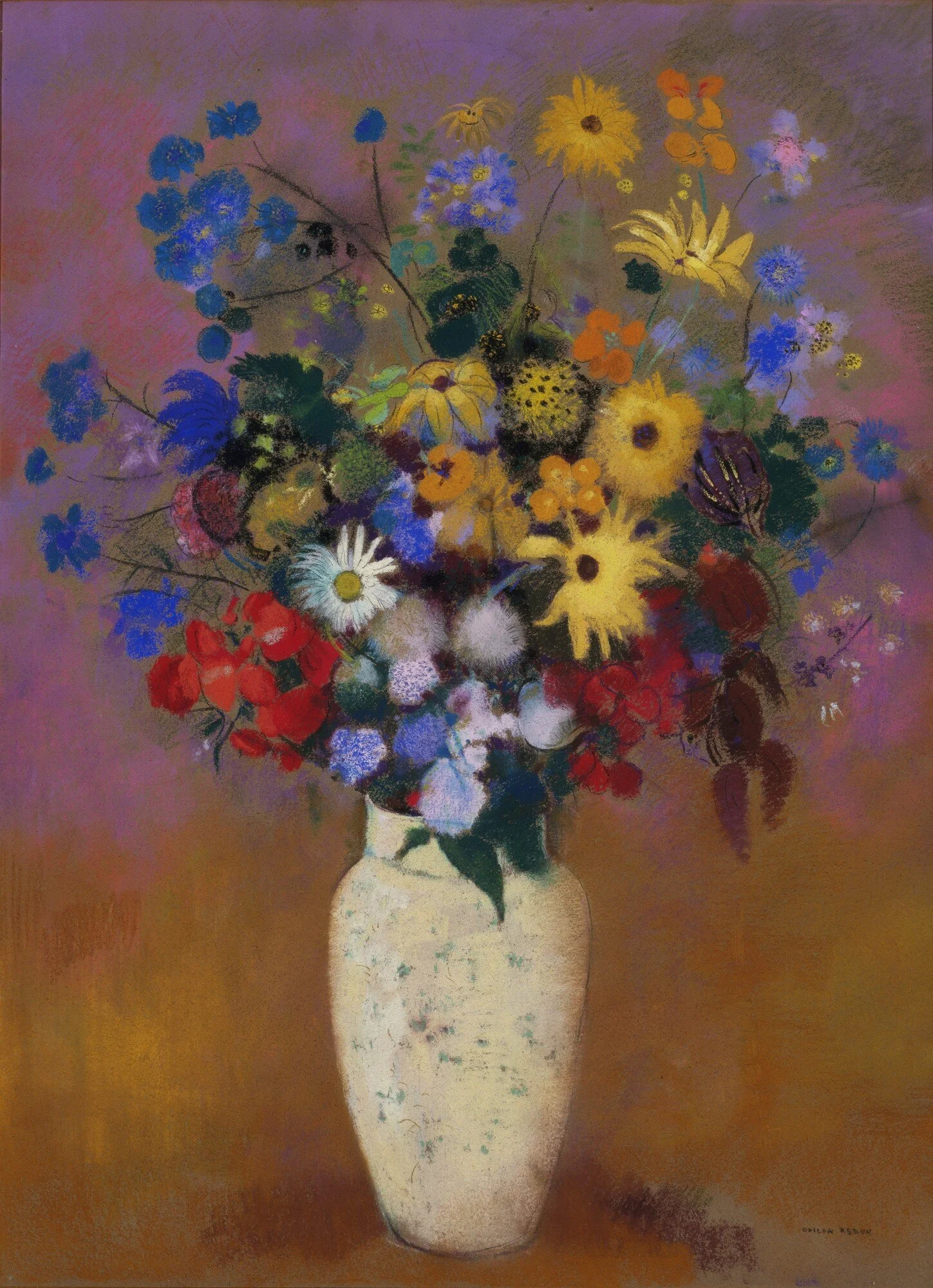
Vase of Flowers, c. 1900-16 by Odilon Redon, MoMA.
Although primarily known as a Symbolist artist Redon created a number of floral still life paintings in his career. They all have a stark quality that allows the beauty of the flowers to be the focal point.
Bird Land
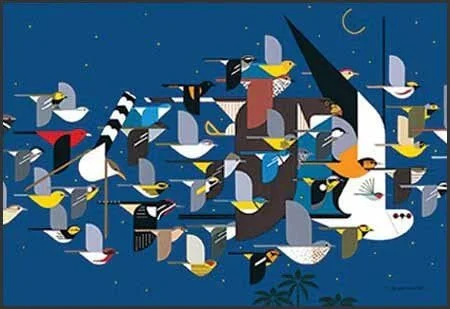
Mystery of the Missing Migrants by Charley Harper, various galleries.
Charley Harper is best known for his book illustrations from the mid 20th century.
Painting History

Into Bondage, 1936 by Aaron Douglas, Corcoran Museum of Art, Washington D.C.
This work is part of a mural Douglas created that marks the history of the Black people in North America from slavery to 1936. They were displayed in the Hall of Negro Life at the Texas Centennial Exposition in Dallas.
Family Portraits
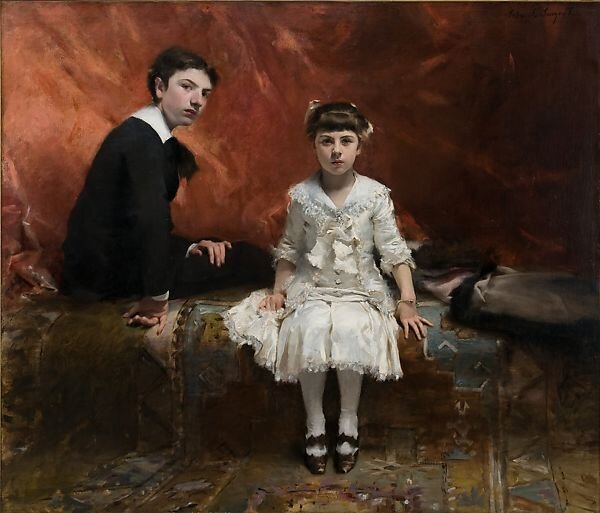
Portraits of Edouard and Marie-Louise Pailleron by John Singer Sargent.
Sargent was one of the primer portrait painters of the 19th century. His work brought out the very best in his sitters and therefore made him very popular. These children’s father is Edouard Pailleron, a famous 19th century French playwright and his wife.
Many Talents

Writing Cabinet, 1898-99 by C.R. Ashbee
Charles Robert Ashbee was a talented cabinet maker as well as an architect and jewelry maker. He was a follower of the Arts & Crafts movement and even tried to establish a handicraft colony, but it unfortunately failed.

Sugar Bowl C.R. Ashbee
Spas - Nothing New
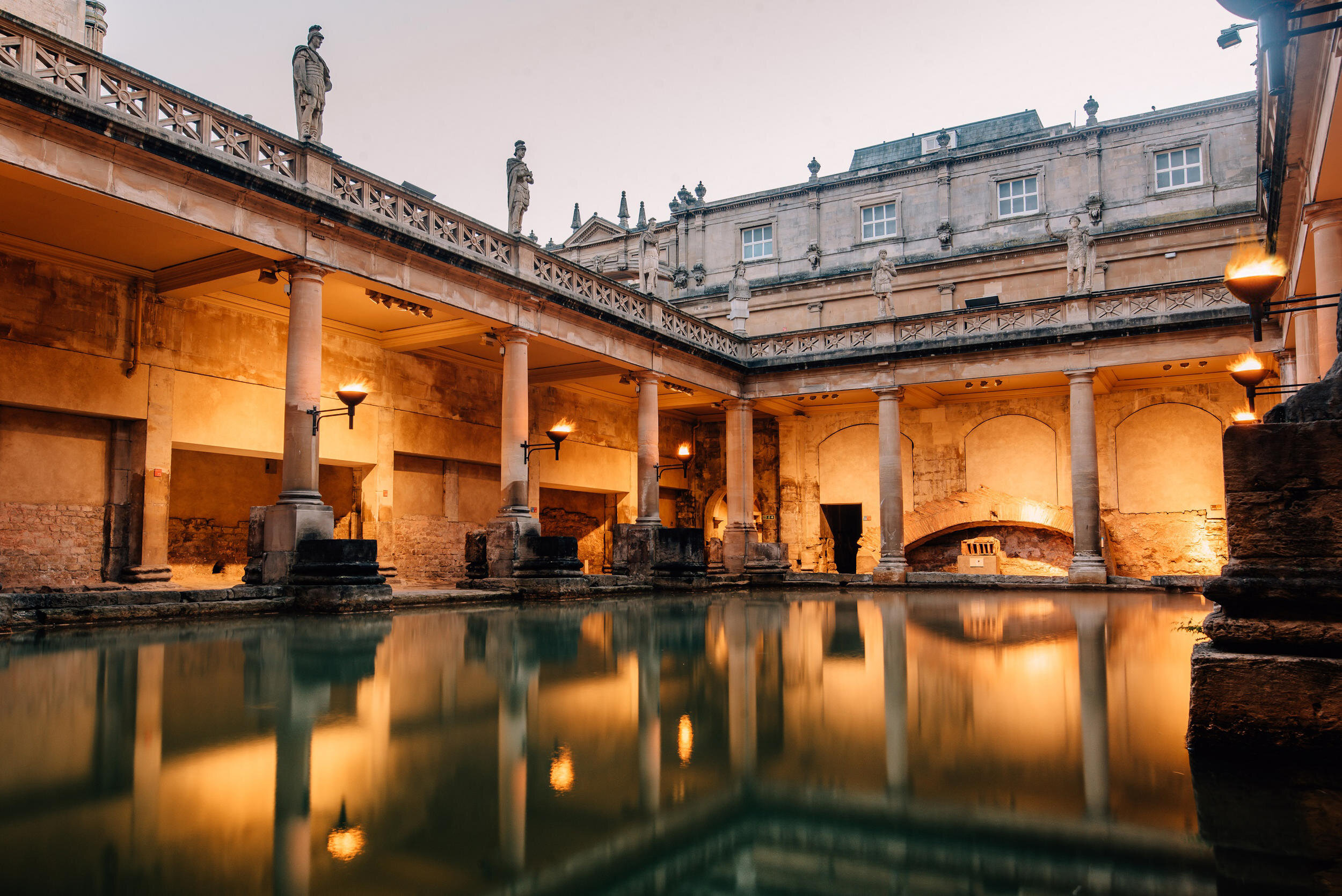
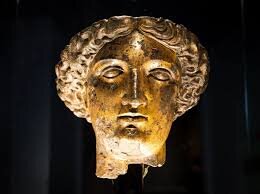
The Great Bath, the Ancient Roman Baths, 1st Century A.D., Bath, England.
Built as a combination of a traditional Roman bath and an homage to the water Goddess Sulis Minerva, elements of the ancient baths were uncovered in the 17th Century, but it was not fully excavated until the 19th century.
Down Boy

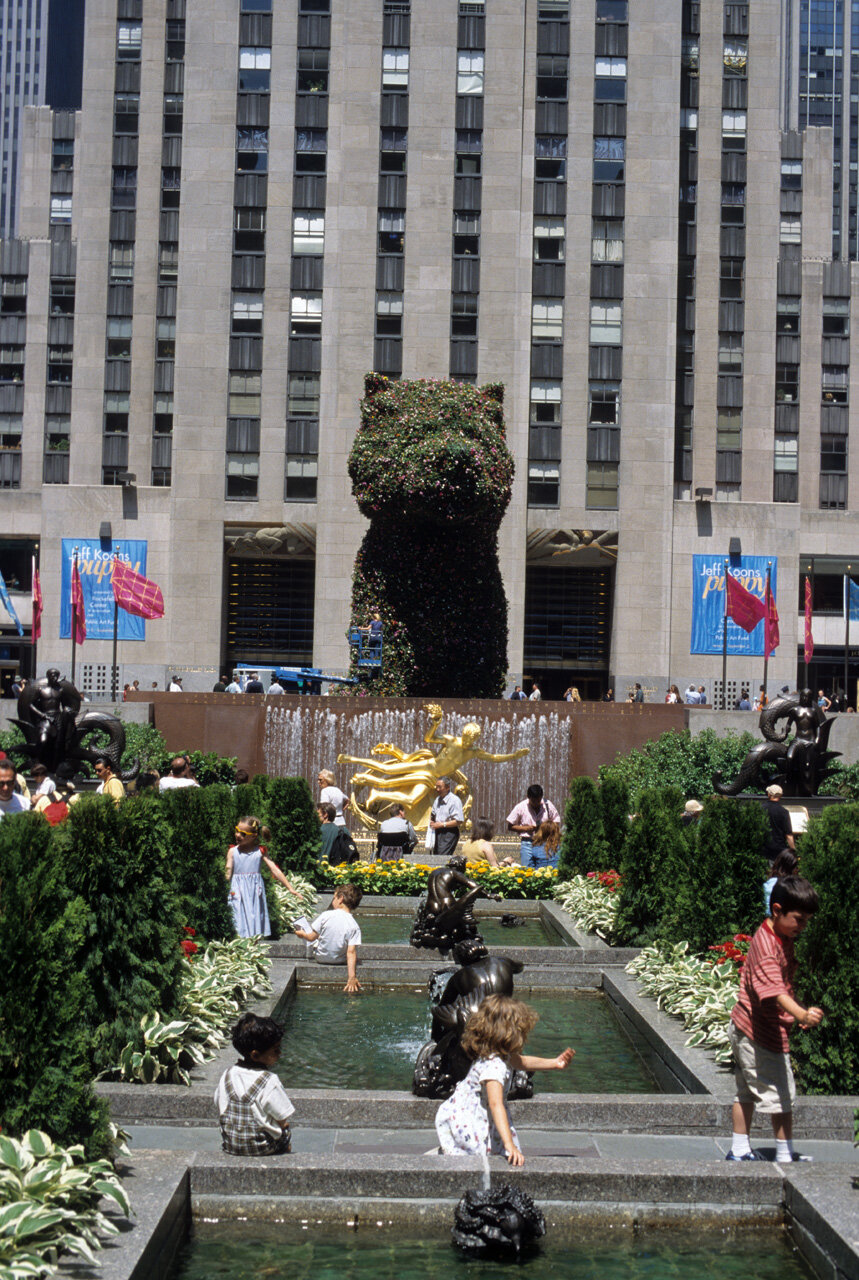
White Terrier, 1991 by Jeff Koons, multiple collections.
In 2000 Koons carried this image of the terrier to a huge scale when he created a giant floral version of the dog in Rockefeller Center. His work is always controversial and often outrageous, just as he intends it to be.
El Escribir en la Arena
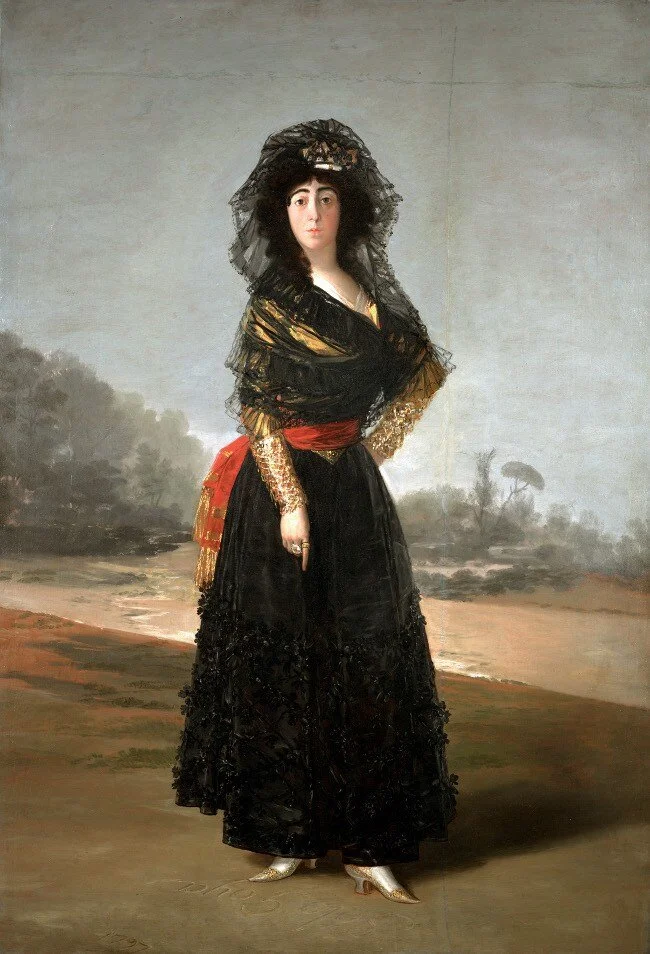
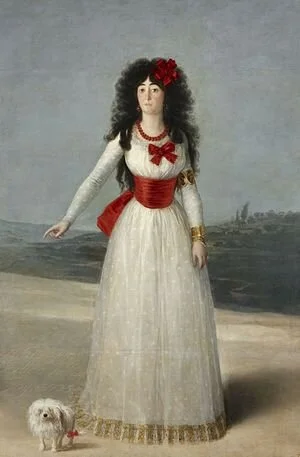
Portrait of the Duchess of Alba by Francisco Goya y Lucientes.
Known as Goya, in his lifetime he painted over 500 works and almost 300 drawings and lithographs. As the Spanish court painter many of his works were political in nature, especially focusing on the invasion of Spain by Napolean's France. This painting of the Duchess shows her pointing down to the sand where Solo Goya is written. She also wears two rings, one that says Goya and one that says Alba, this leads people to believe they were linked romantically.
Close Scrutiny
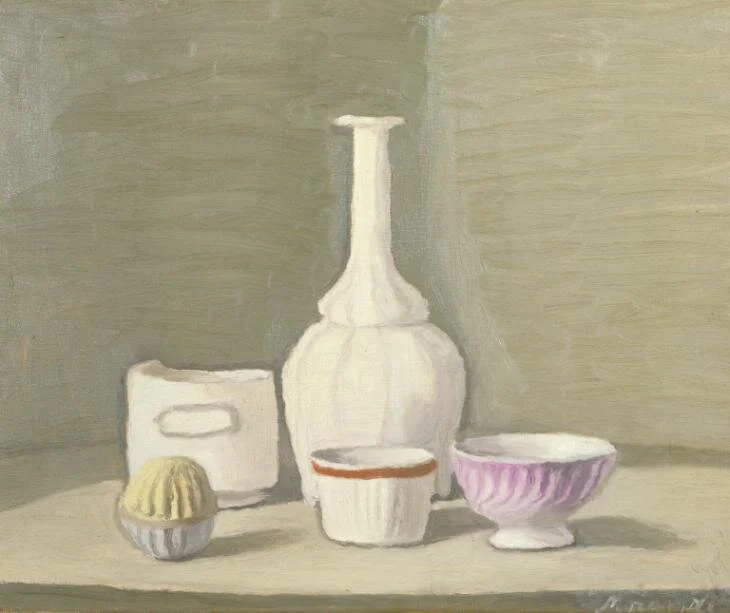
Still Life by Giorgio Morandi, 1946.
Throughout his career Morandi studied and painted still lifes of bottles in pale tones. His idea was to portray the pure simple beauty of the objects in pale natural light.
Kitchen Still Life
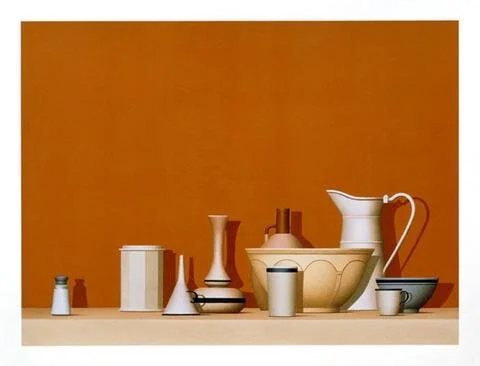
Soliloquy by William H. Bailey.
The first time I saw one of William Bailey's still life paintings I instantly fell in love with the combination of starkness and the items he featured.
Screen within a Screen

Winter Party, Edo Period (18th - 19th Century) by Utagawa Toyoharu.
The folding screens of Japanese art served as architectural features as well as decorative.