Life Death, Knows Doesn't Know, 1983 by Bruce Nauman.
Neon words flash on and off in this piece. It references the conflicted nature of life. Words have been included in art since the beginning of time.

Your Custom Text Here

Life Death, Knows Doesn't Know, 1983 by Bruce Nauman.
Neon words flash on and off in this piece. It references the conflicted nature of life. Words have been included in art since the beginning of time.
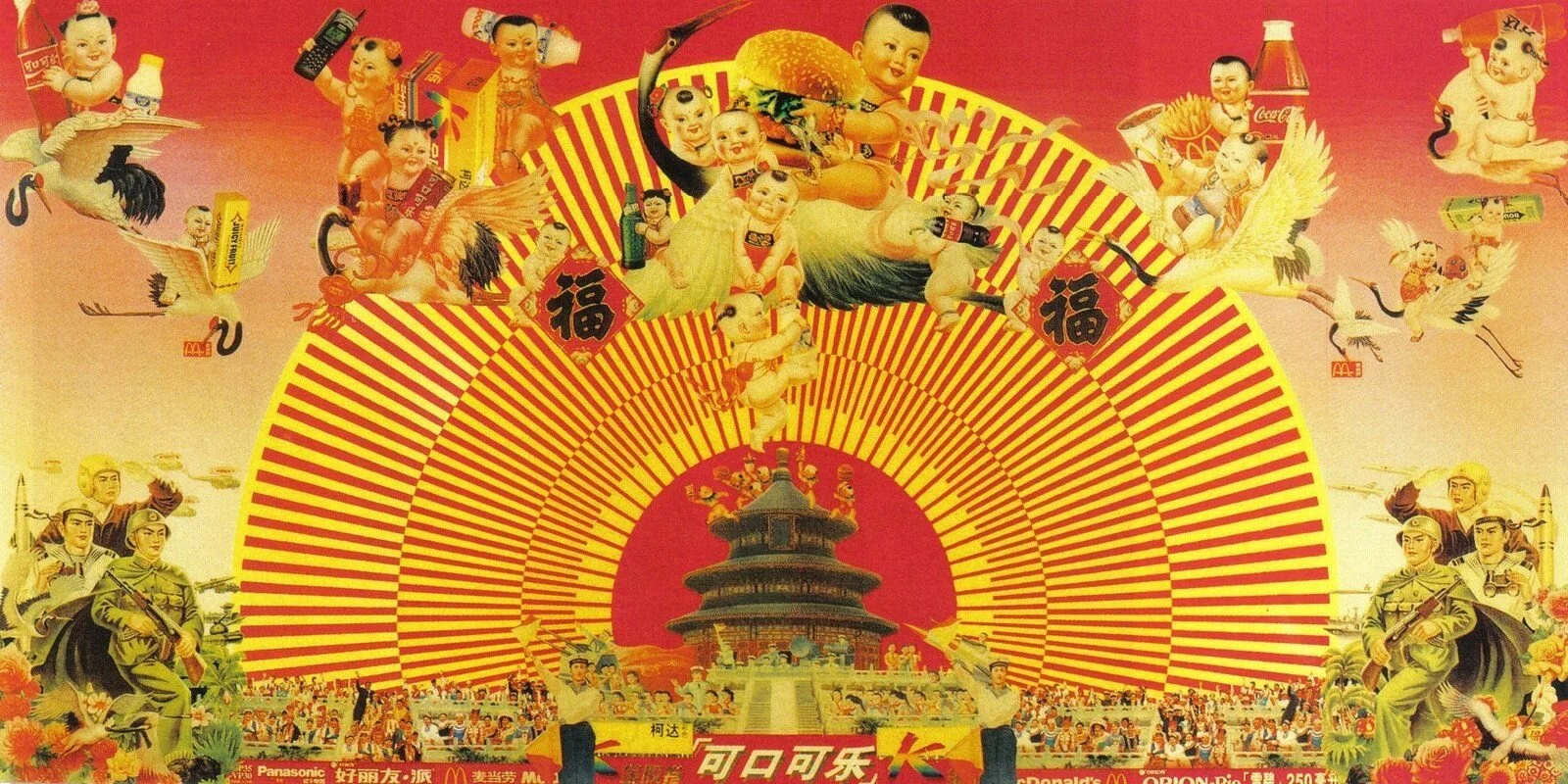
Welcome the World Famous Brand Name by The Luo Brothers, 1993-94.
The Luo Brothers draw their inspirations from the modern world and Chinese propaganda images and combine the two to make statements about China's "modernization" and all that it entails.
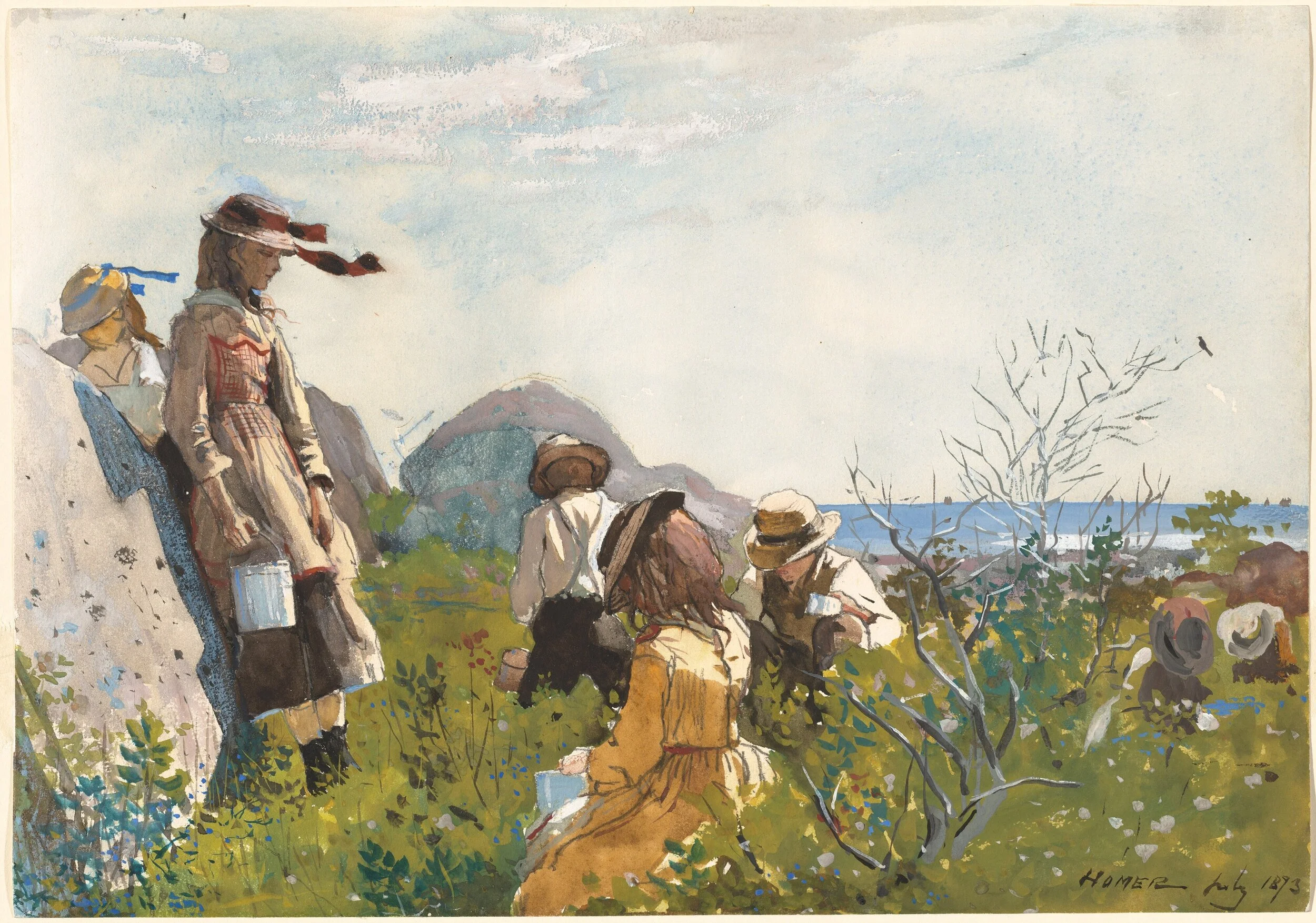
Winslow Homer, The Berry Pickers, 1873.
The fresh blueberries in Maine and Nova Scotia really can’t be beat. This work by Maine resident Winslow Homer (who moved to Maine in his later years) and brings back memories of traveling from Ohio to Nova Scotia by car.
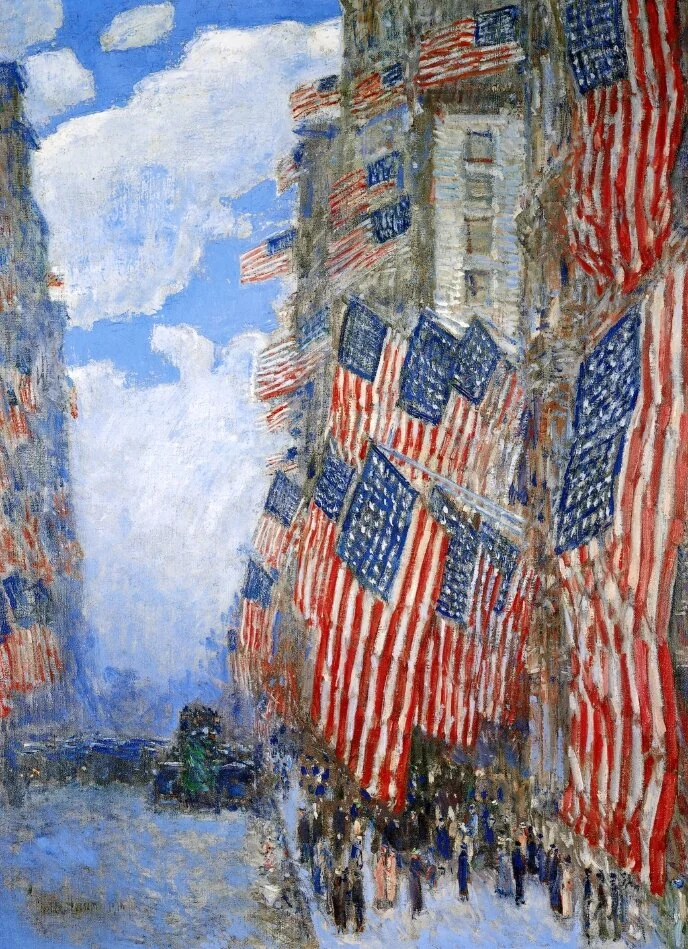
Fourth of July, 1916 by Childe Hassam, New York Historical Society.
Hassam is one of the most noted of the American Impressionists and he also spent time working and studying in Paris. In 1916 he began a series of flag paintings mostly of the flags of the WWI allies all flying together.
Happy Independence Day!
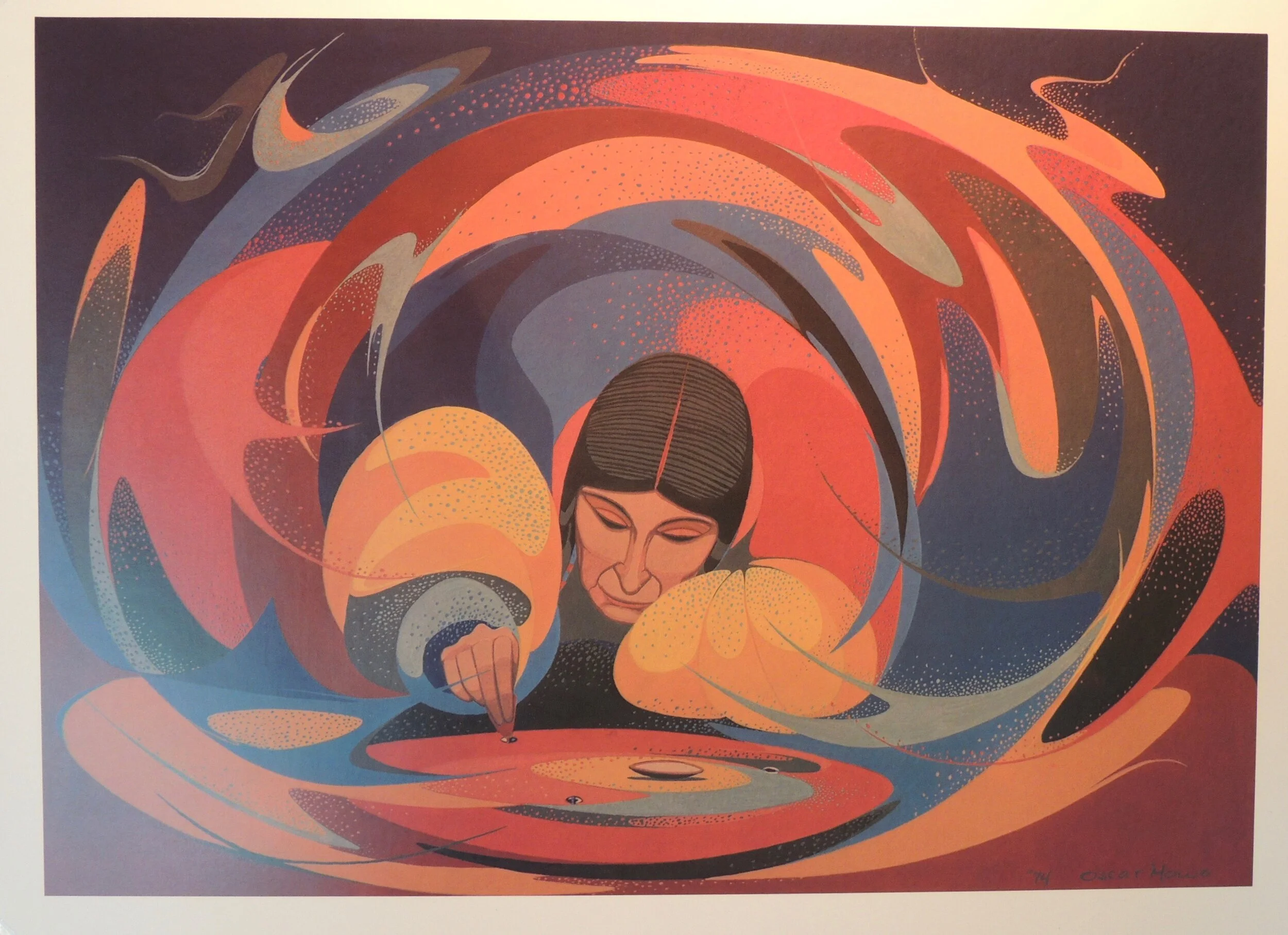
Sioux Seed Player by Oscar Howe
Oscar Howe was a Yanktonai Native American who combined Native traditions with modern art methods. His work allowed the Native artists who came after him to expand the arts that are usually practiced by native peoples. His work is in collections and has been exhibited all over the world.
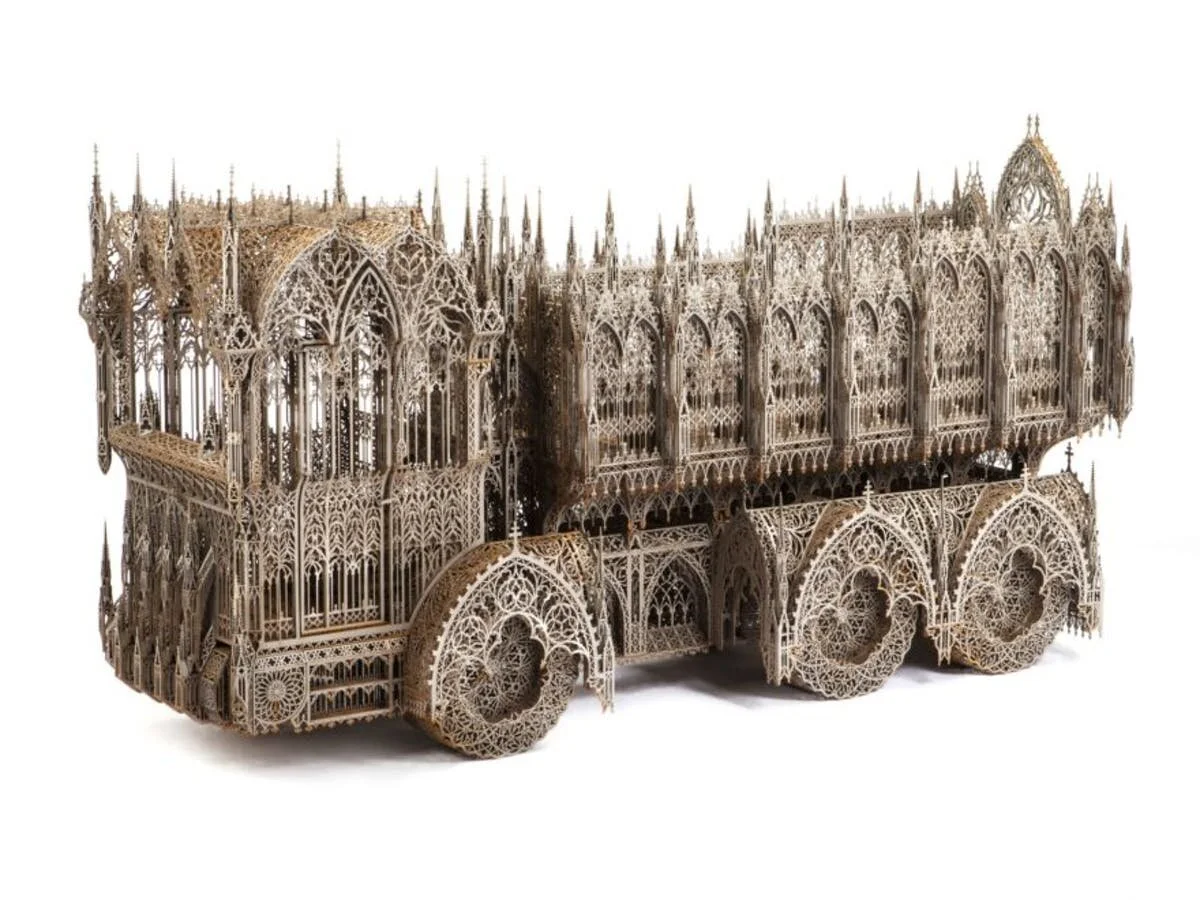
Dump Truck, 2013 by Wim Delvoye
Belgian artist Wim Delvoye takes everyday objects and just makes them nicer and prettier. His work reminds me of another favorite of mine, Cal Lane.
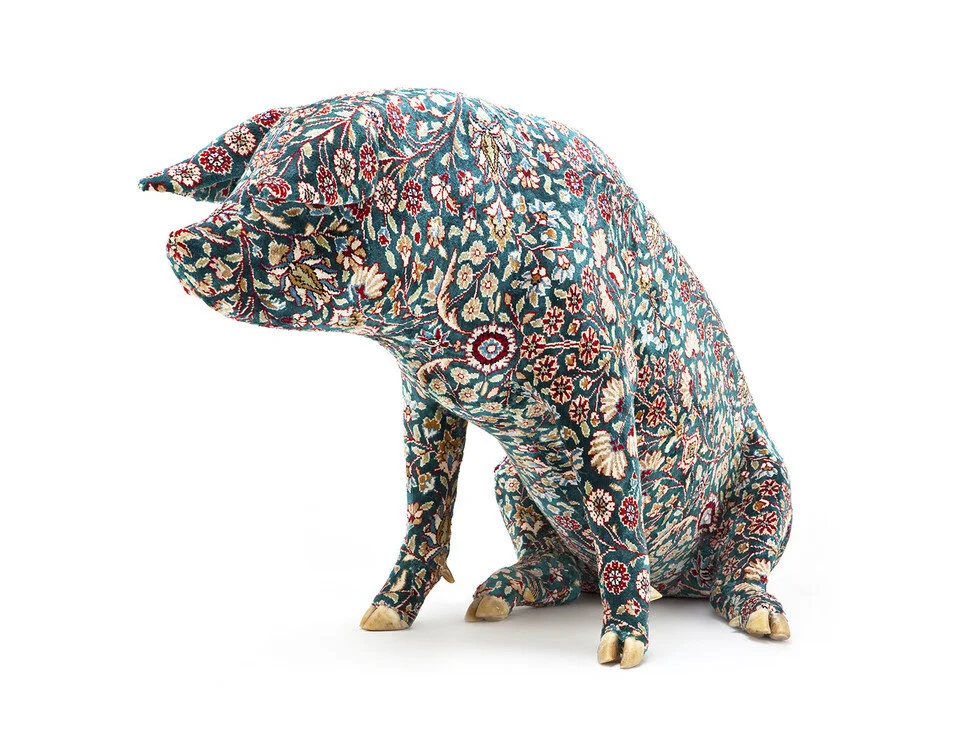
Love his series of pigs decorated like Persian rugs.
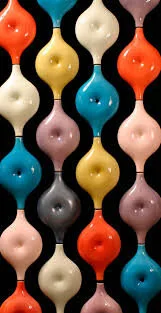
Prototypes for Modular Ceramic Wall Dividers, 1958 by Eva Zeisel
A designer of ceramics and dinnerware. Zeisel designed the shapes and often the decals that adorned them. However, because the factories owned the shapes, quite often they would put decals on the pieces that were not designed by her, and she often felt they did not match the design.
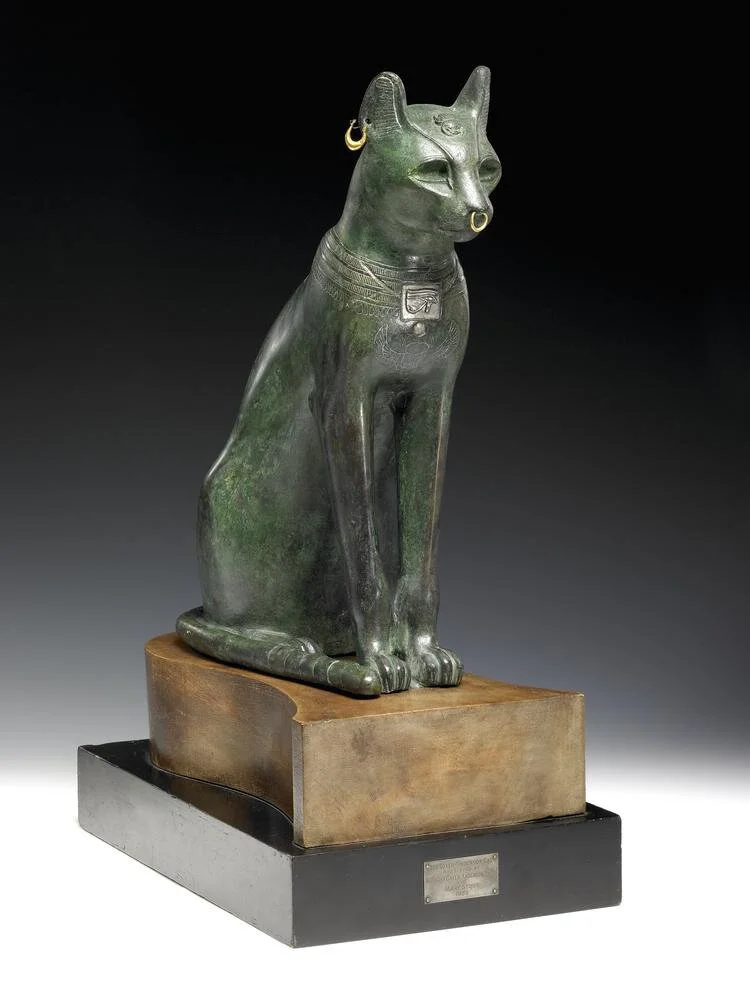
The Gayer-Anderson Cat (also named Figure) the Egyptian Cat goddess, Late period after 600 BC, The British Museum.
Bronze figure of a seated cat. The cat mummies were buried in honor of the goddess Bastet the daughter of the sun god Re.
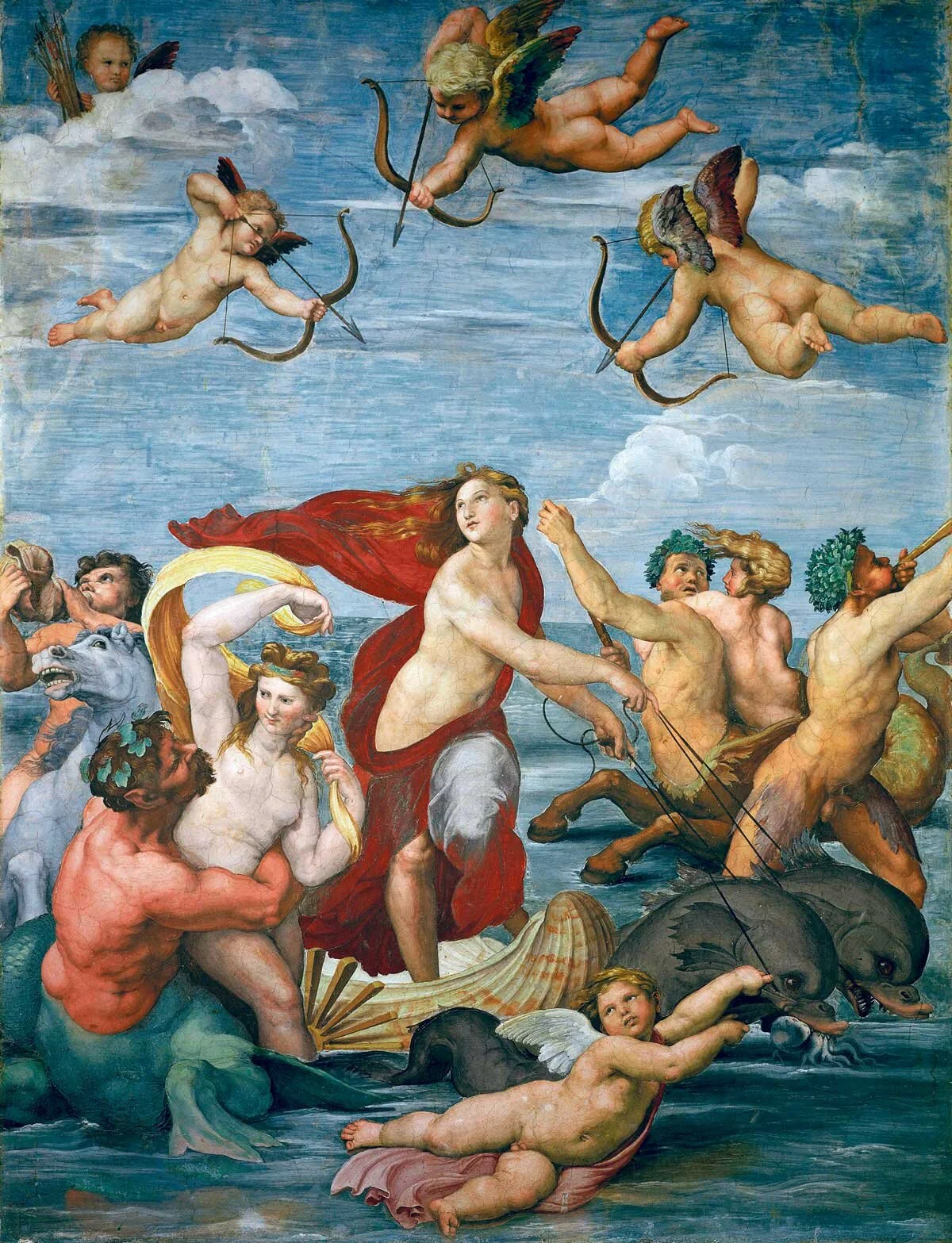
Galatea, c. 1512-14 by Raphael, Villa Farnesina, Rome.
"As subject he (Raphael) chose a verse from a poem by the Florentine Angelo Poliziano which had also helped to inspire Botticelli's Birth of Venus. These lines describe how the clumsy giant Polyphemus sings a love song to the fair sea-nymph Galatea and how she rides across the waves in a chariot drawn by two dolphins, laughing at his uncouth song, while the gay company of other sea-gods and nymphs is milling round her."
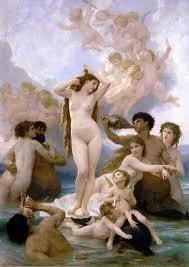
La Naissance de Vénus (Birth of Venus)1879 by William-Adolph Bouguereau, Musee d'Orsay, Paris.
Very similar in composition to Botticelli's work.
Bouguereau had a very successful career. His realistic style appealed to a large number of people. A contemporary of Degas and Monet; they even conceded his extreme popularity.
The Water-Lily Pond by Claude Monet, National Gallery London.
Monet is the most famous of the 19th century group of artists known as the Impressionists. The effect of the light upon the pond that Monet sought to capture was accomplished by using millions of small brush strokes. The water garden is part of his home at Giverny and he built it so he could paint the same scene at all the different times of the day, in order to capture all of the different effects of the light.
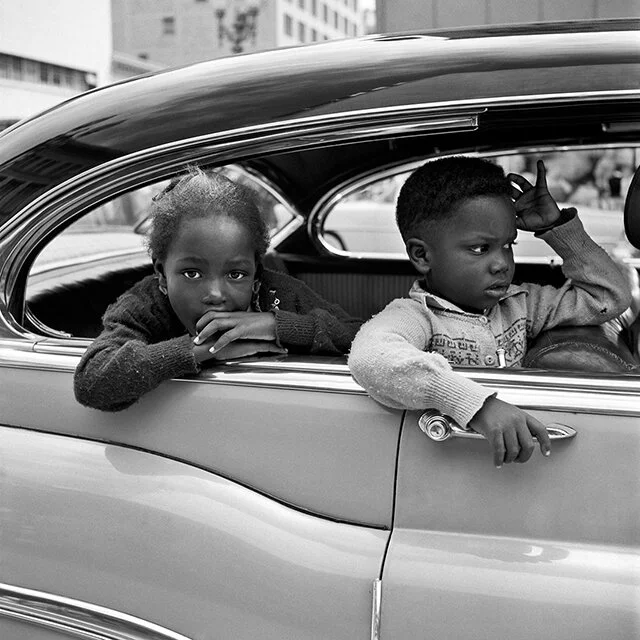
Photo by Vivian Maier
Vivian Maier was a street photographer whose work was acquired by John Maloof at an auction in Chicago about 10 years ago. Maloof says the collection of over 100,000 negatives also contains over 600 rolls of undeveloped film. As Maloof tried to piece together the life of the woman behind the cameras he discovered she died only days before he began his search. He has found out that she was a nanny and was born in France. Please visit
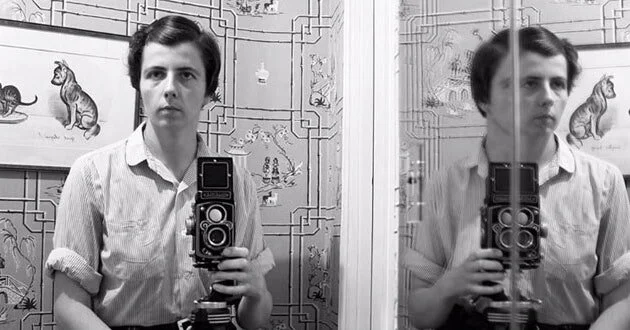
Vivian Maier, Self-portrait
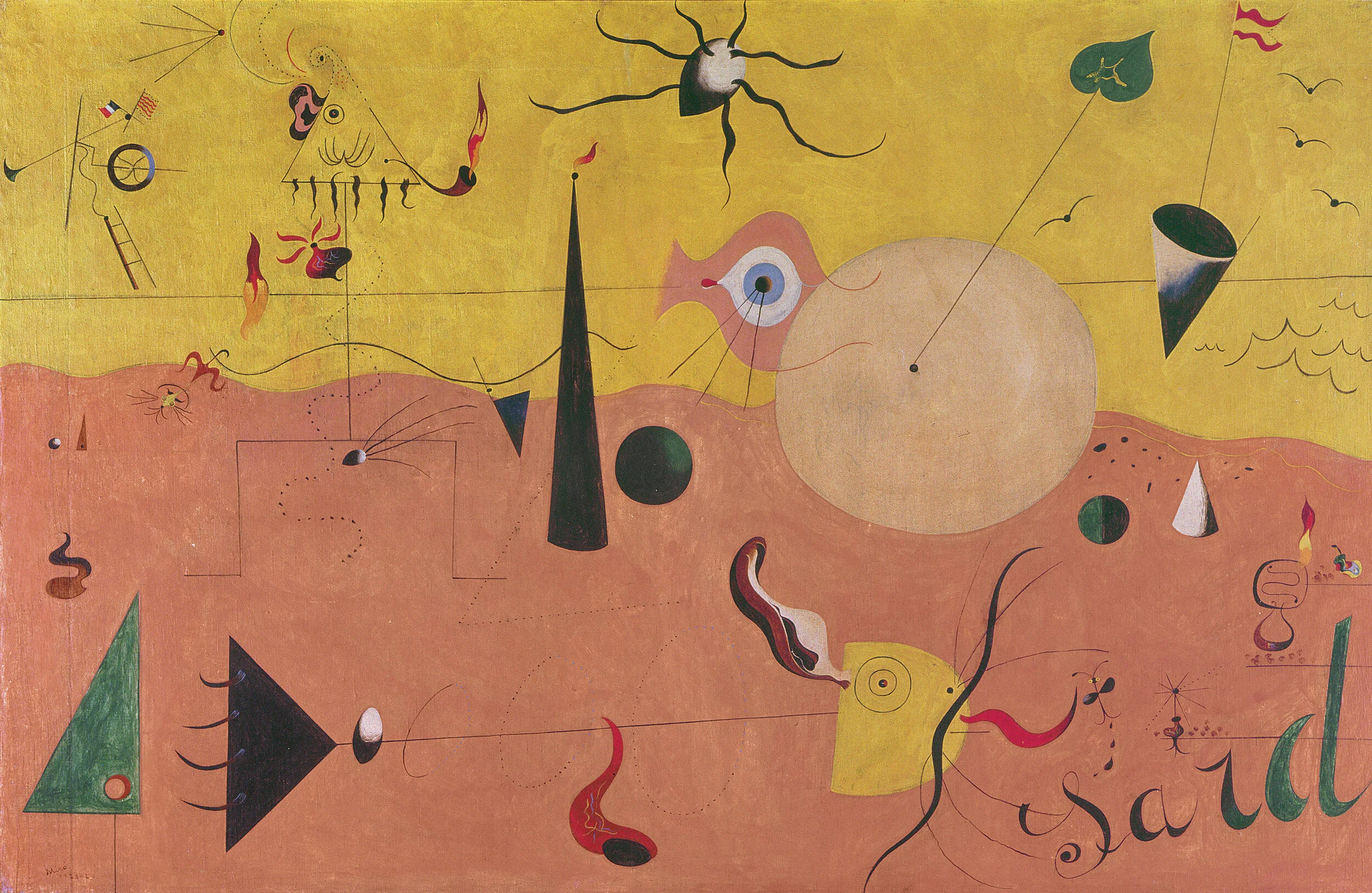
The Hunter (Catalan Landscape) by Joan Miro, 1923-24, MoMA, NYC.
Miro began his work as a painter doing portraits but soon found the work of artists like Picasso and the Surrealists with whom he socialized in Paris, to influence him to try other directions in his paintings. The Spanish Civil War drew his work into a political realm as his countrymen suffered at home. His career lasted well into the later part of the twentieth century, in fact a large tapestry he did for the World Trade Center was one of the most valuable pieces of art work that was destroyed on September 11, 2001.
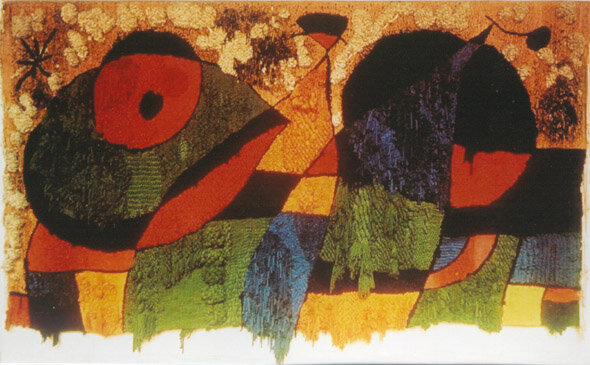
Figure 6 by Joan Miro, 1974, The World Trade Center (destroyed 9/11/01).
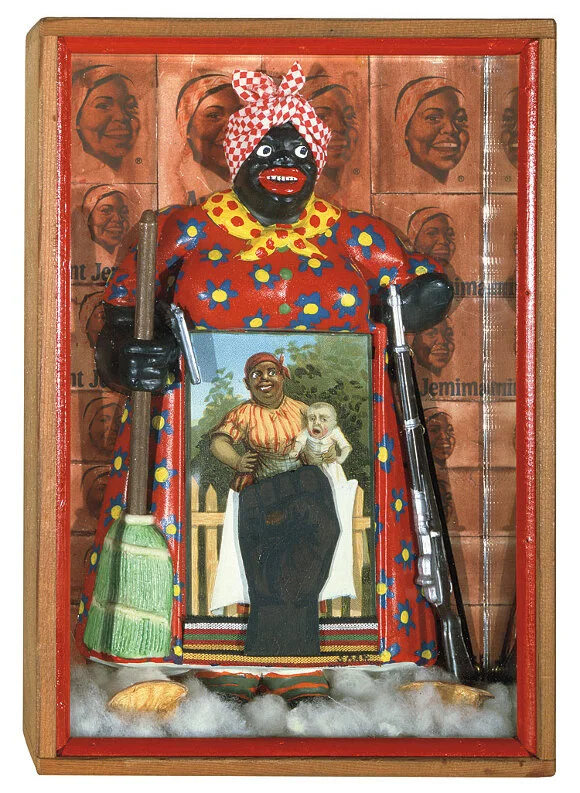
The Liberation of Aunt Jemima, 1972 by Betye Saar, Collection of the Berkeley Art Museum.
Betye Saar liberated Aunt Jemima back in 1972 it is nice to see that Quaker Oats is now getting around to it too.

The Harvest Moon, c. 1894 -96 by Charles Rennie Mackintosh, Glasgow School of Art
My favorite artist. He was also an amazing architect. He was so far ahead of his time and although he was a contemporary of the Art & Crafts and Art Nouveau movements, his take on the aesthetic was really unique.
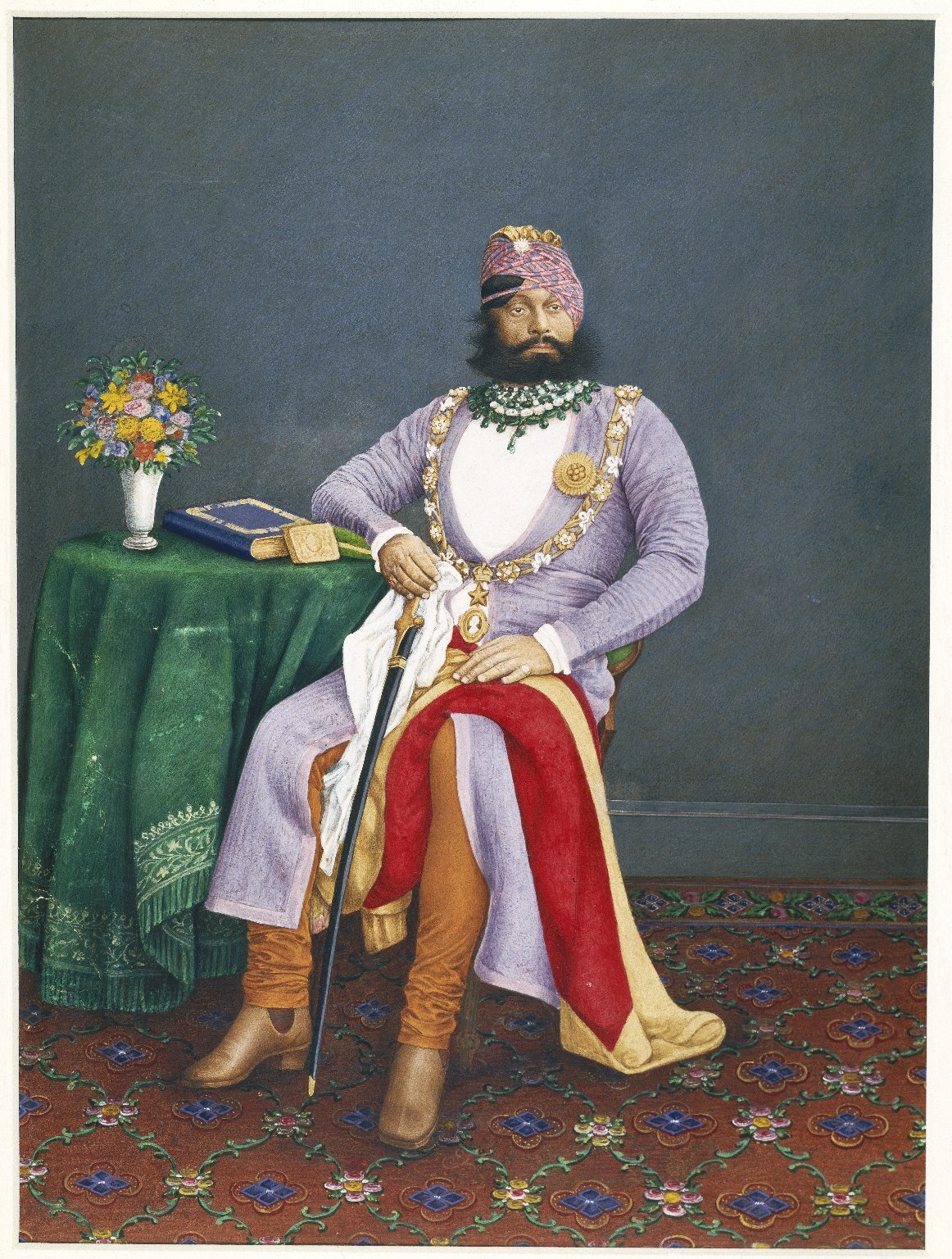
Maharaja Jaswant Singh of Marwar, ca. 1880, watercolor, The Brooklyn Museum.
The simple setting of this watercolor work is unusual and it has more in common with a photograph than a painting. It reflects the influence of the British on India in it's more austere setting and pose.
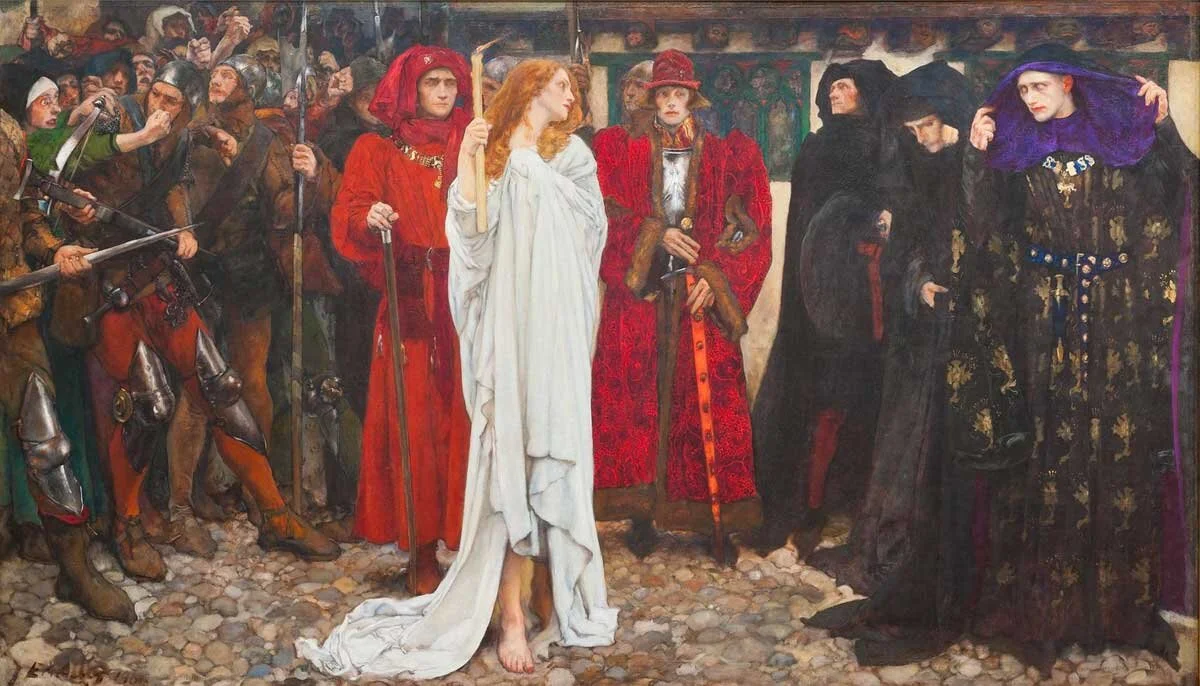
The Penance of Eleanor, Duchess of Gloucester, 1900 by Edwin Austin Abbey, Carnegie Museum of Art, Pittsburgh.
Abbey was strongly influenced by the Pre-Raphaelites and went over to England to study. He was employed by Harper's magazine much of his career for whom he did illustrations. While in England he struck up a friendship with Whistler. This painting is an illustration of a scene from Shakespeare's Henry VI.
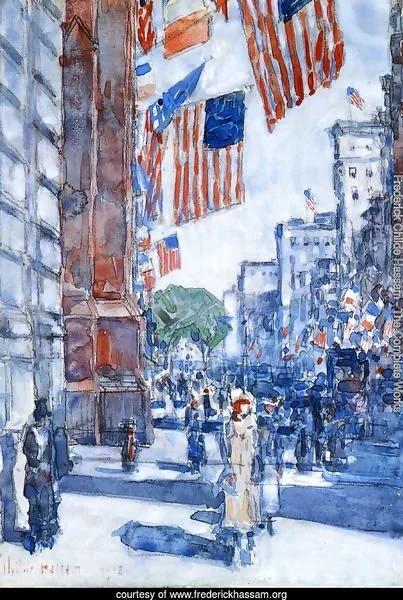
Flags, Fifth Avenue by Childe Hassam, 1918, Dallas Museum of Art
We need to unite behind the Flag as Americans more then ever right now.
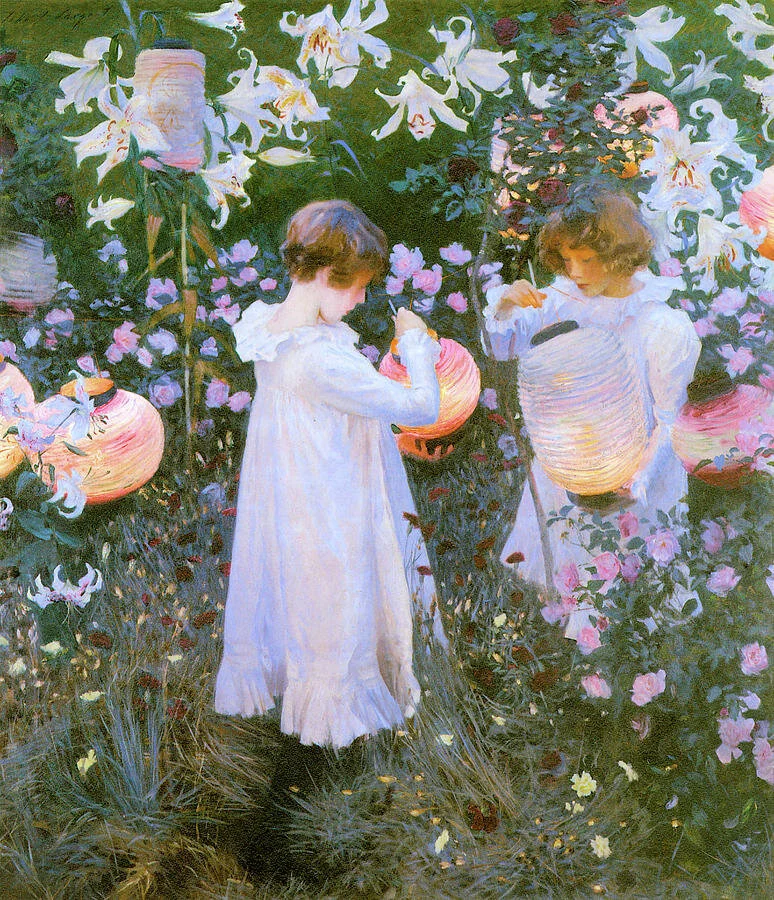
Carnation, Lily, Lily, Rose, 1885-6 by John Singer Sargent, Tate Gallery, London.
While on a boat trip with his friend Edwin Austin Abbey Sargent saw some Chinese lanterns hanging and decided to use them in a composition. This image has proven to be one of his most popular ones. The combination of beautiful flower, children and the lanterns really appeal to people.
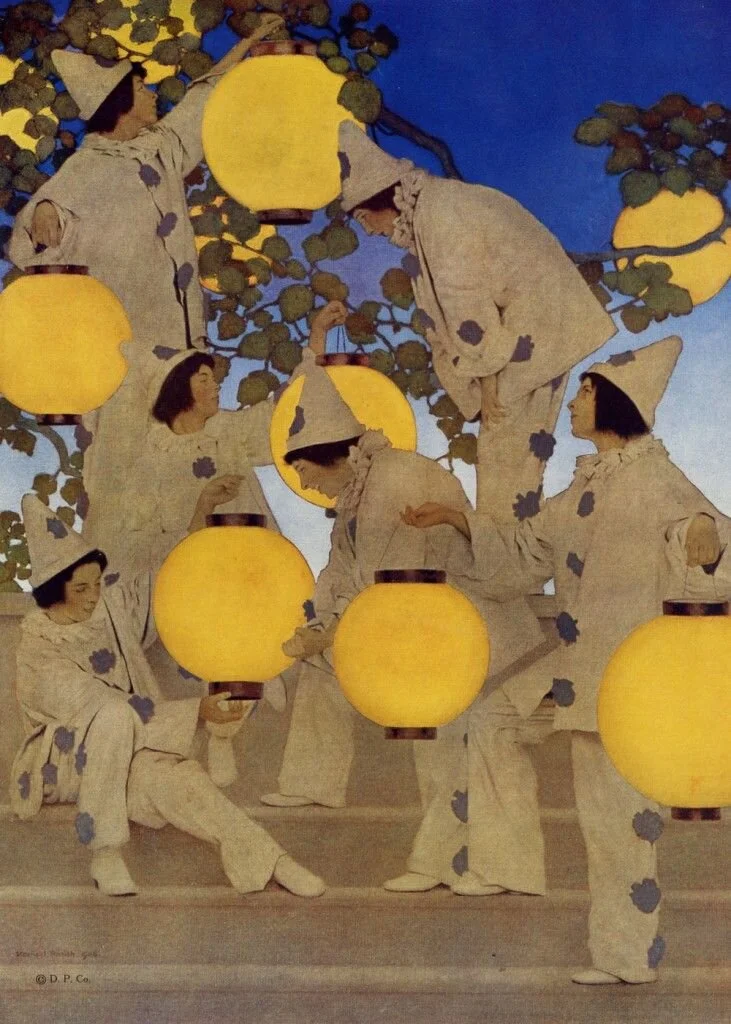
The Lantern Bearers by Maxfield Parrish
Primarily a book illustrator Parrish's work has become very popular in recent years owing to its beautiful and colorful narrative scenes. This work was an illustration for Eugene Field's Poems of Childhood.