Weeping Woman, 1937 by Pablo Picasso, Tate Gallery, London.
Picasso did a series of "Weeping Women" where their faces and emotions are broken-up by grief and the cubist style of creating an image out of a series of planes.

Your Custom Text Here
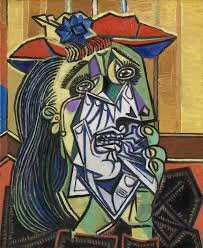
Weeping Woman, 1937 by Pablo Picasso, Tate Gallery, London.
Picasso did a series of "Weeping Women" where their faces and emotions are broken-up by grief and the cubist style of creating an image out of a series of planes.
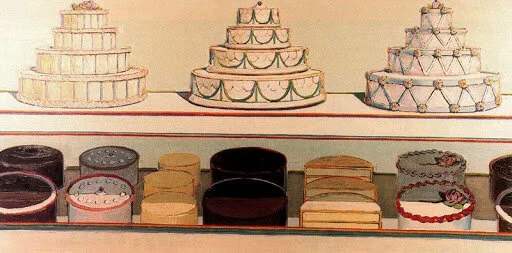
Cake Counter by Wayne Thiebaud.
Thiebaud came to prominence during the Pop Art years of the 1950's & 1960's. His work has remained an important force in American art.
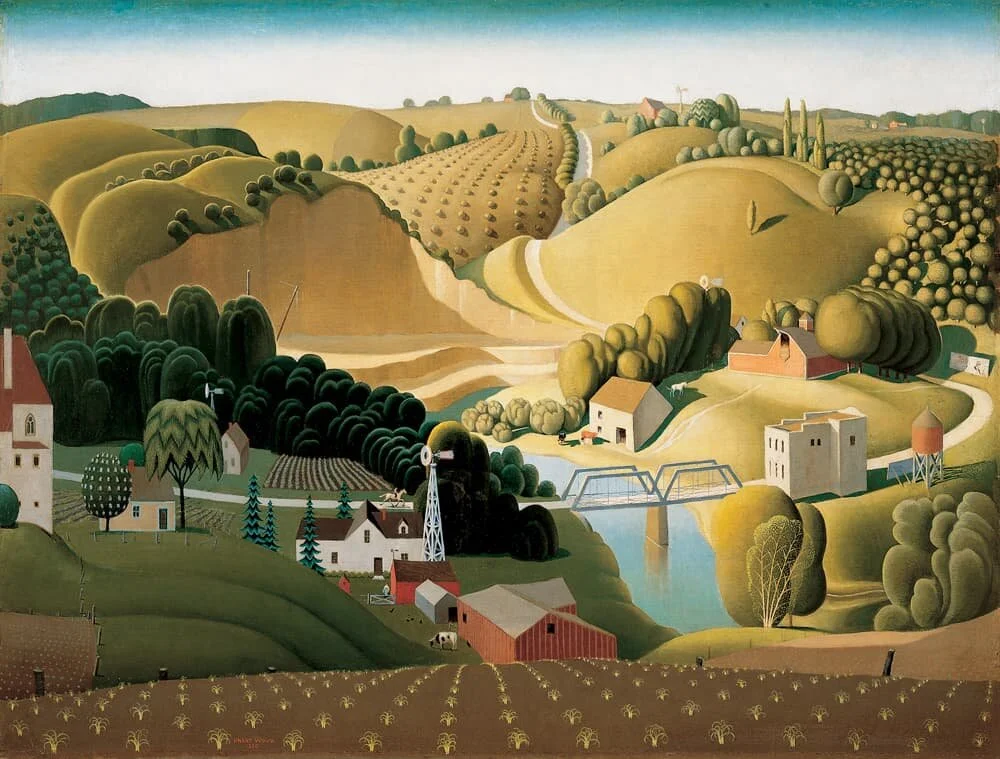
Stone City Iowa by Grant Wood, Joslyn Art Museum
Stone City is near Wood's childhood home Anamosa. They hold an art festival in Stone City every summer in honor of one of the state's favorite sons. Wood helped to found the Stone City Art Colony there in 1932.

Candy Cigarette, 1989 by Sally Mann from Immediate Family.
Sally Mann creates beautiful photographs using a large-scale camera and old processes. Her work is a studied glimpse at her life, nature, and the lives of others; a look at the way she processes her world. She has dealt with controversy for showing us her children as they freely live their lives, but looking intimately into her world is a privilege.
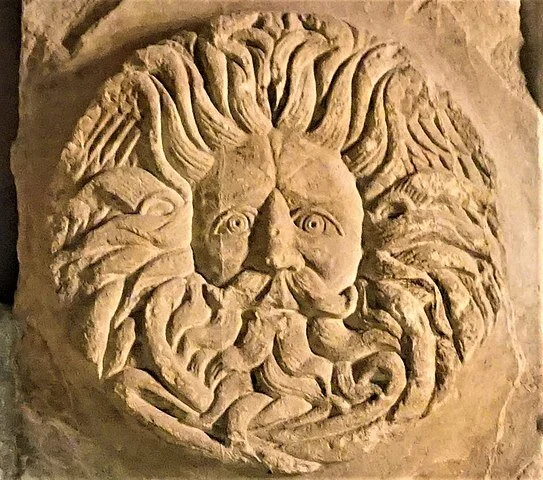
Medusa or Gorgon, 1st Century A.D., From the Temple of Sulis Minerva at the Roman Bath in Bath, England.
This representation of the Gorgon Medusa was part of the pediment decoration from the Temple of Sulis Minerva at Bath. Sulis Minerva was a goddess of healing and the sulfur infused waters found at Bath were thought to have healing powers. Usually Medusa is depicted as a woman and this representation looks more like a man which makes it seem that it may be a mistaken attribution and that this representation might actually be of a river god from local folklore.
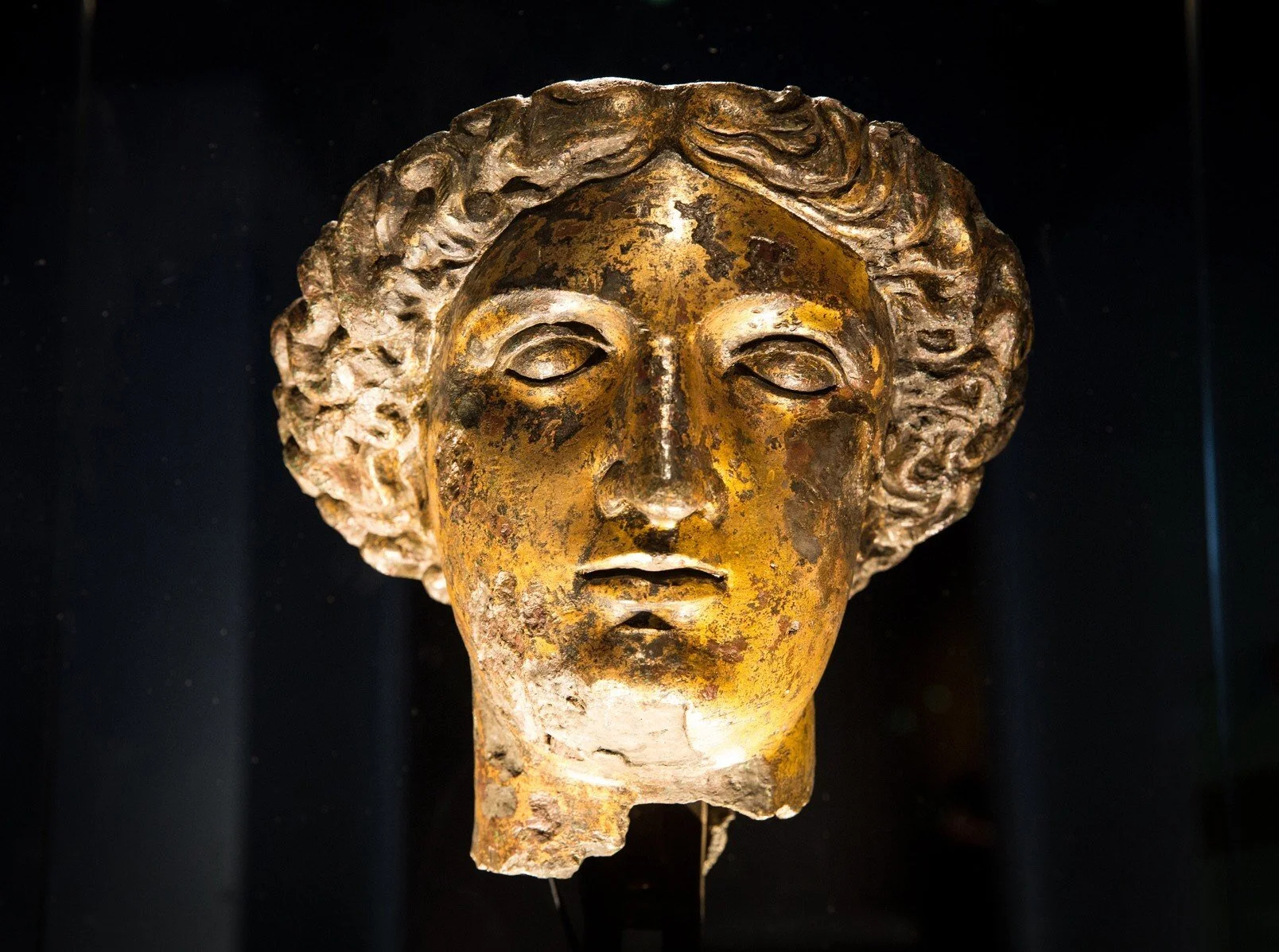
Head of the Goddess Sulis Minerva from Bath, England.
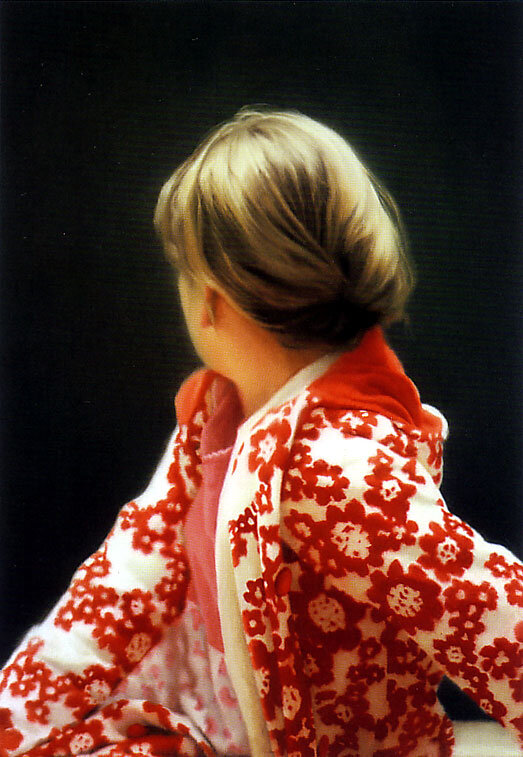
Betty, 1988 by Gerhard Richter, St. Louis Art Museum (copyright Gerhard Richter).
What looks to be a photograph is actually a painting of the artist's daughter. It cannot be considered a true portrait when it is of the back of the subject but he lovingly portrays the his subject. His style has varied a lot over the years from photo-realistic paintings like to the very abstract.
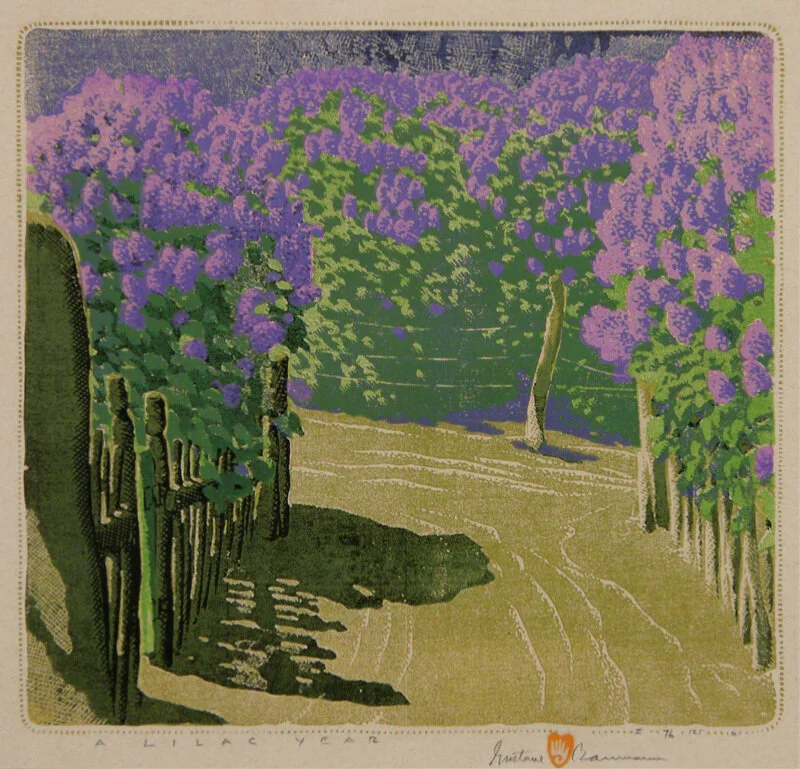
A Lilac Year, 1951 by Gustav Baumann, color woodblock print, assorted collections.
Baumann arrived from Germany to the US in 1891 when he was 10 and eventually did his art training at the Art institute of Chicago. He eventually settled in New Mexico and worked primarily in woodblock prints which show a strong Japanese influence.

Nonchaloir ,1911 by John Singer Sargent, National Gallery of Art, Washington D.C.
After 1907 Sargent grew tired of painting so many society portraits for money. he chose to concentrate instead on outdoor scenes and more casual poses like this one of his niece.
Dis me.
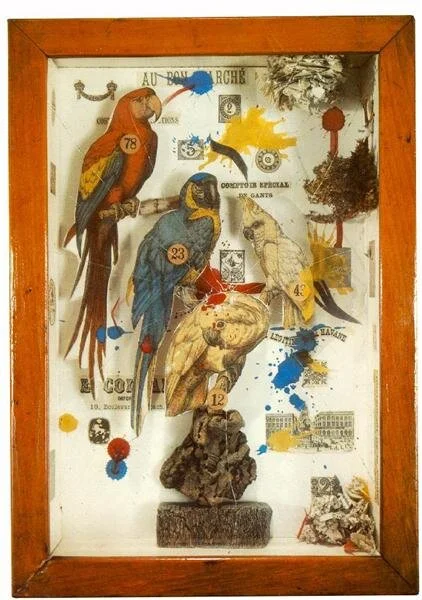

Habitat Group for a Shooting Gallery by Joseph Cornell, Des Moines Art Center
Cornell assembled fascinating groups of found objects. He liked to juxtapose different objects and his love of surrealism comes through in these groupings.
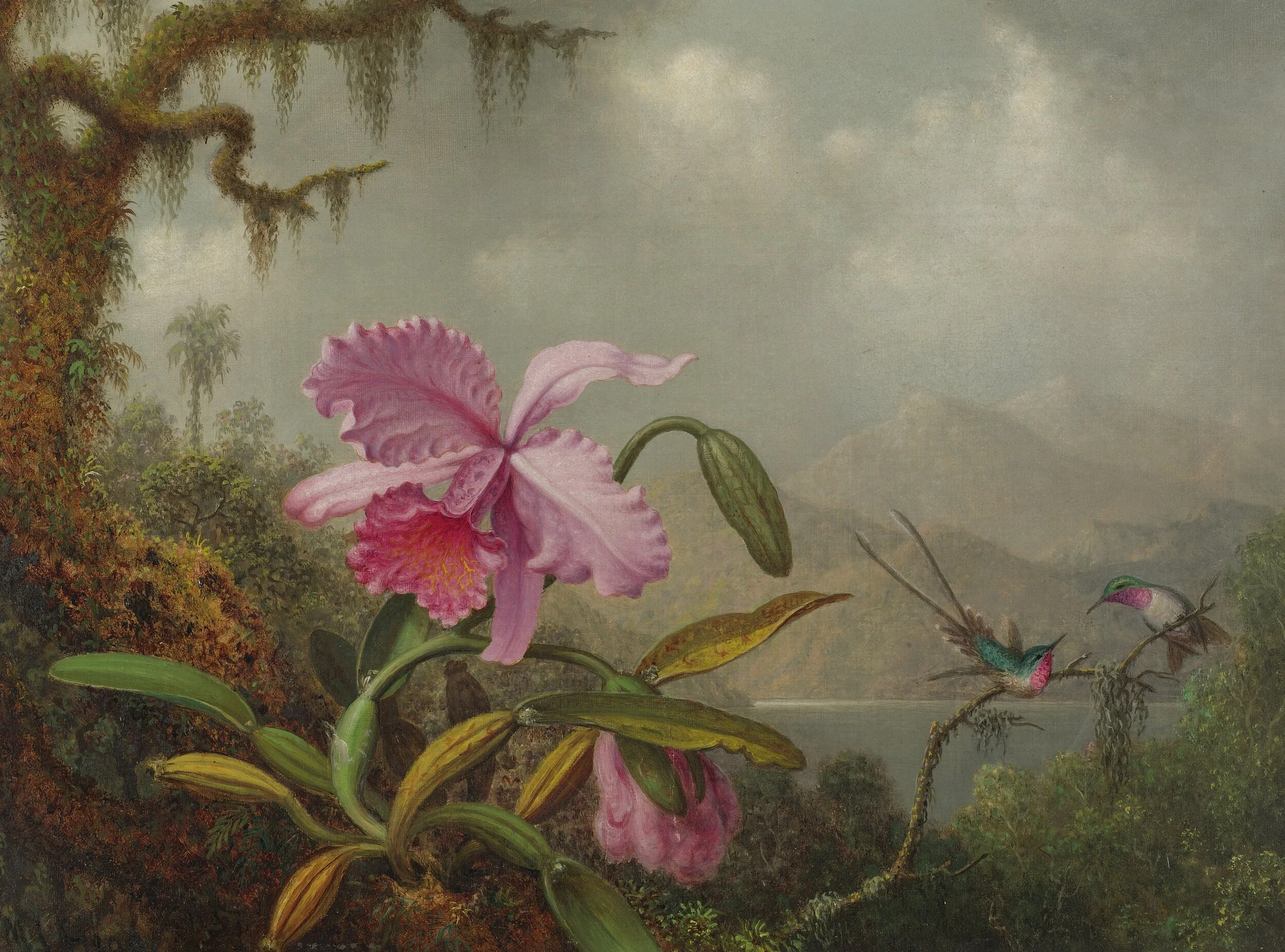
Hummingbirds and Orchids, c. 1880 by Martin Johnson Heade, The Detroit Institute of Art.
Heade's renderings of orchids and hummingbirds (he did quite a few) make the flowers and the birds look more like jewels then natural living things. His colors jump off the canvas and demand your attention.
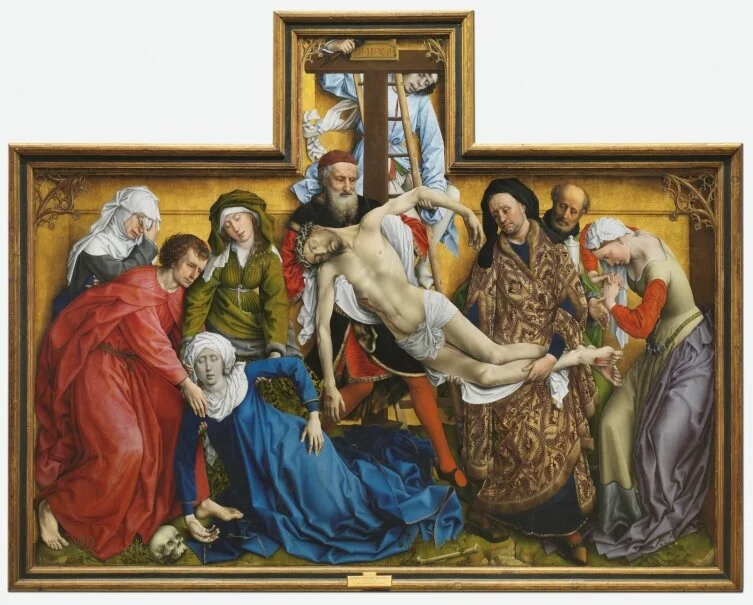
The Descent from the Cross c.1435/8 by Rogier van der Weyden, Museo del Prado, Madrid.
The sadness and suffering on the faces of the figures in this scene show that van der Weyden was a close observer of people. He achieved great success during his lifetime but in spite of this, very little is known about him personally and attributing work directly to him is problematic.
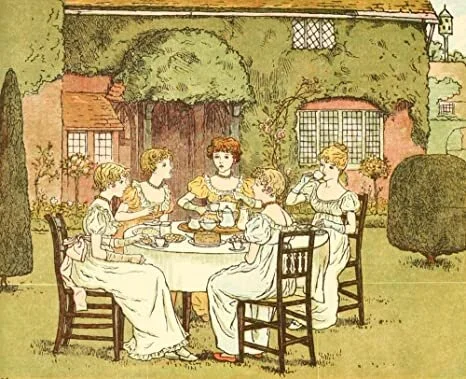
Tea Party, c. 1880 by Kate Greenaway.
Kate Greenaway was one of the most popular children's book illustrators of the 19th century. Her idealized children were just what her Victorian audience wanted.
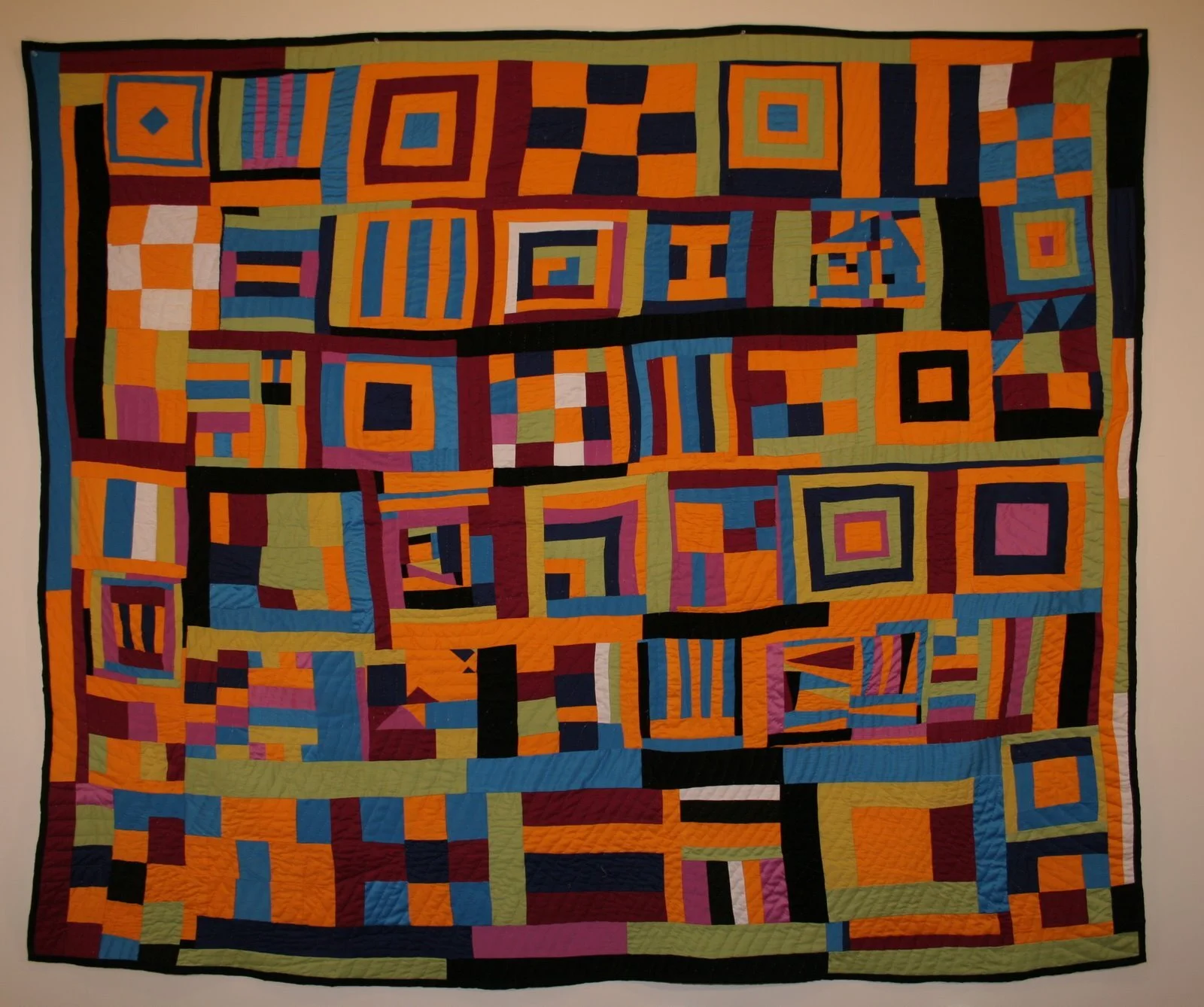
Gee's Bend Quilters Collective, Gee's Bend Alabama
The ladies of Gee's Bend have been making quilts for more than six generations. Largely using scraps of old material, they have created some of the most original and beautiful piecework ever done.

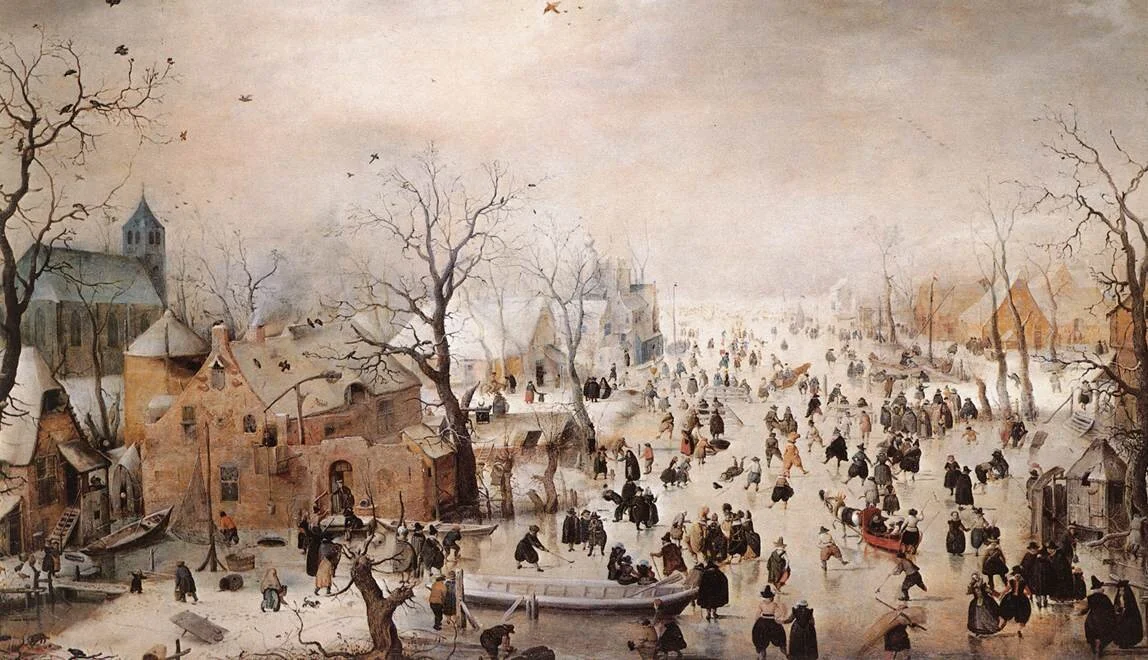
Winter Landscape with Skaters, c. 1608 by Hendrick Avercamp, Rijksmuseum, Amsterdam.
A winter scene in a town with people playing on the ice and working. He liked to paint lively scenes with people all different types of things.
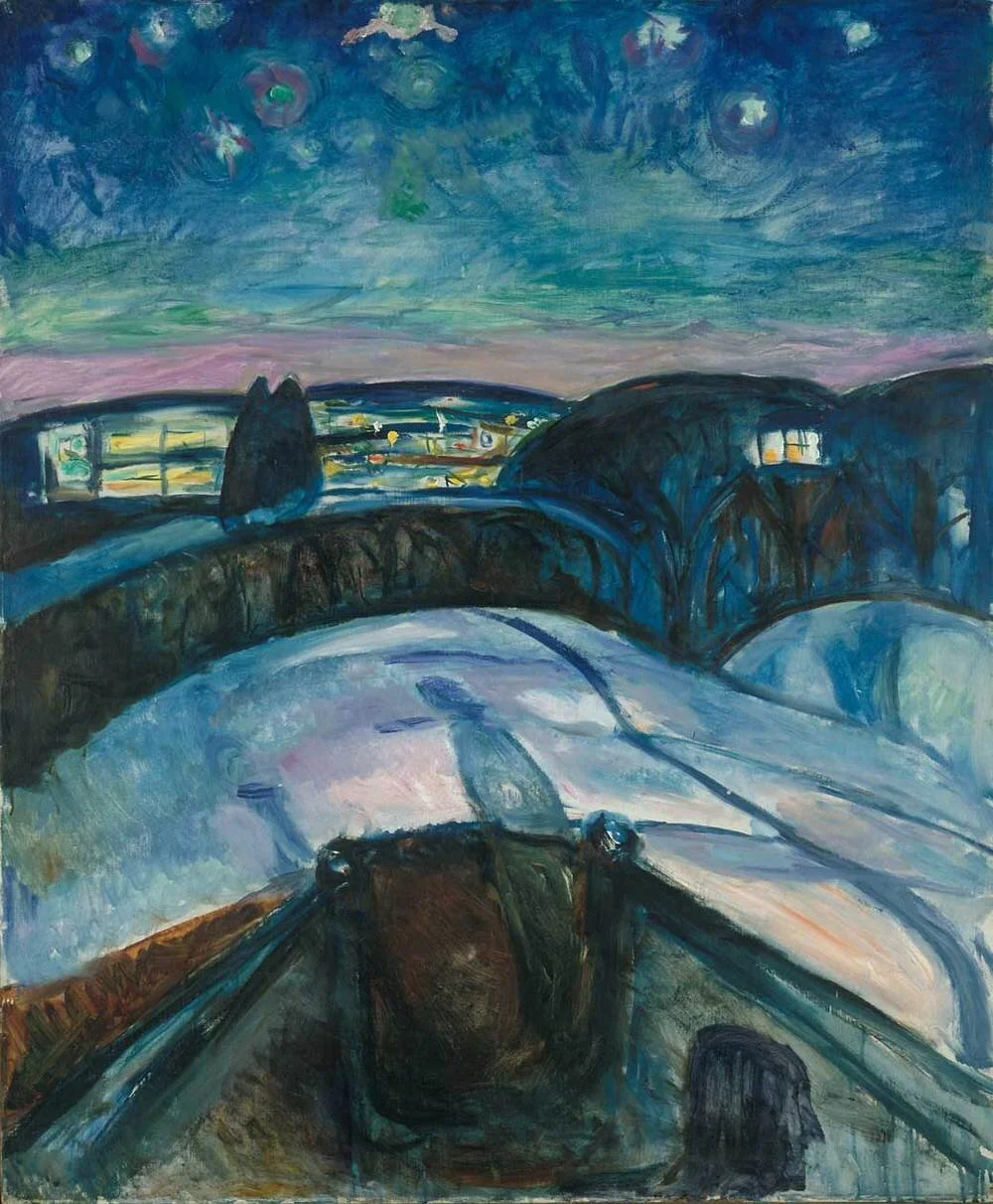
Starry Night, c. 1893, by Edvard Munch, The J. Paul Getty Museum.
Munch is the Symbolist painter best known for The Scream. He was from Norway but traveled and studied in Paris and admired van Gogh.

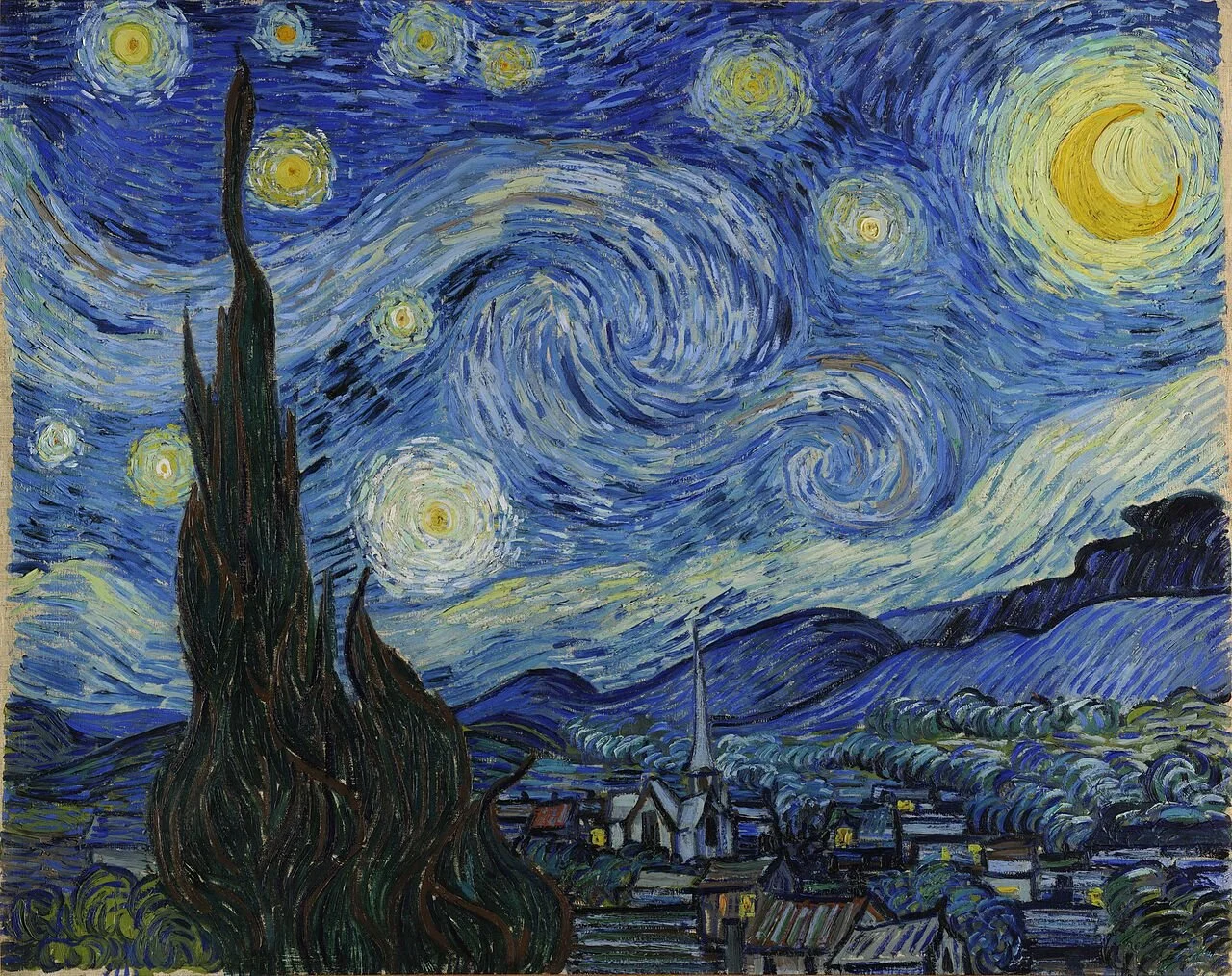
Starry Night, 1899 by Vincent van Gogh, MOMA, NYNY
.
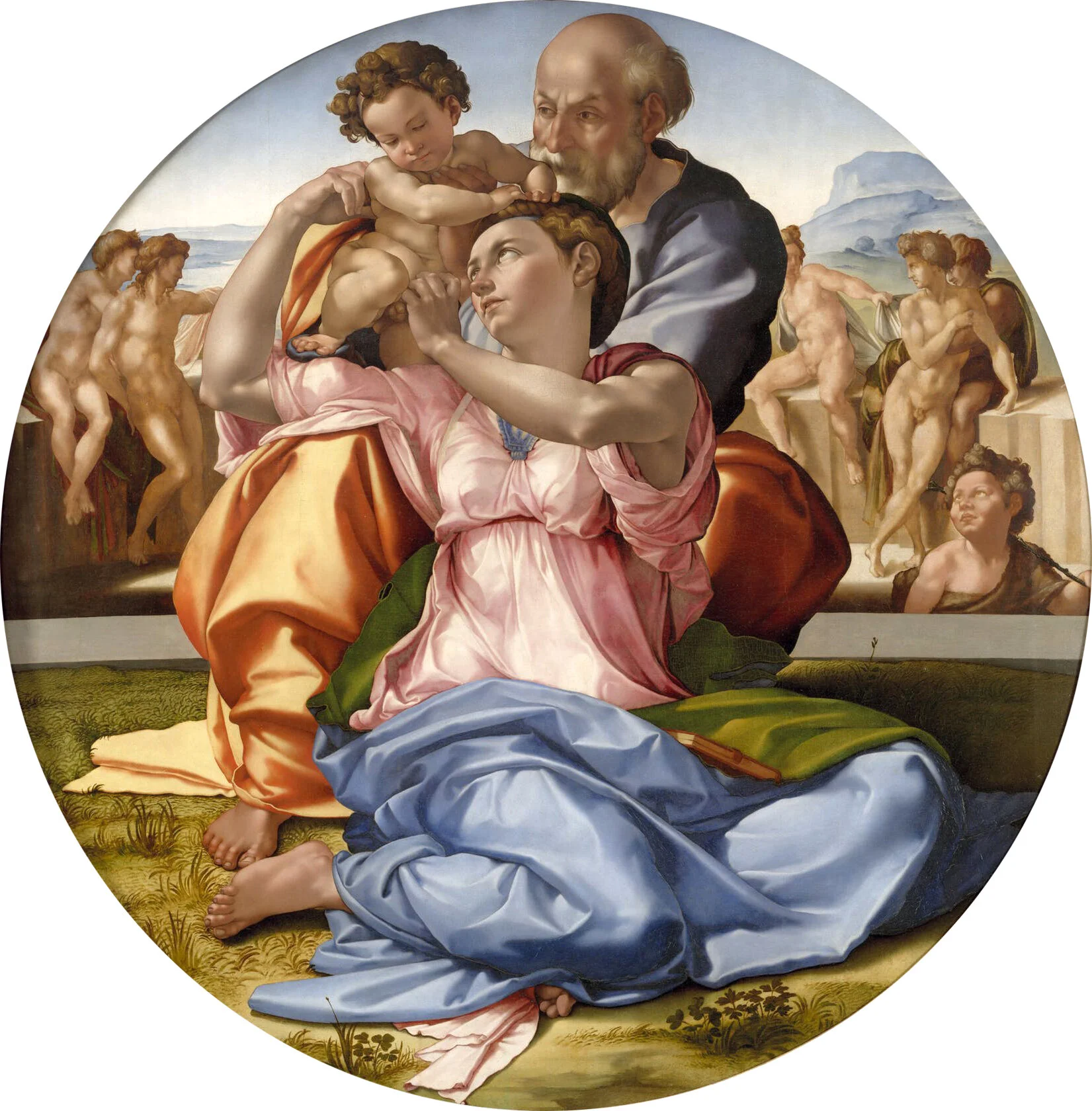
The Doni Tondo by Michelangelo Buonarroti, Galleria degli Uffizi, Florence.
This painting made fools of some of 20th Century art historians. For a long time, they went on and on about how Michelangelo preferred to work in "browns and umbers" based on what they saw in the ceiling of the Sistine Chapel. So, when it was cleaned and all of these bright colors started appearing, the erroneous conclusion that Michelangelo preferred to work in dark colors had to be revised. Given that a work like the Doni Tondo was well known, they should not have been surprised.
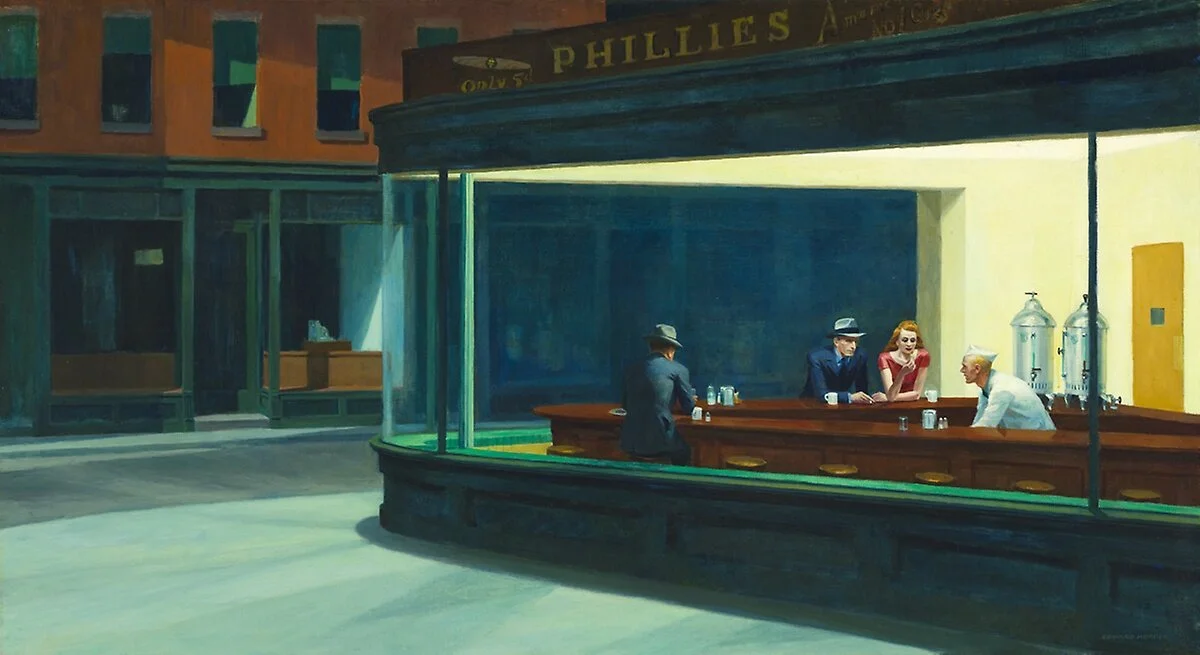
Nighthawks, 1942 by Edward Hopper, The Art Institute of Chicago.
One of the most popular paintings in the AIC's collection people are intrigued by the familiar scene and the loneliness Hopper captures.
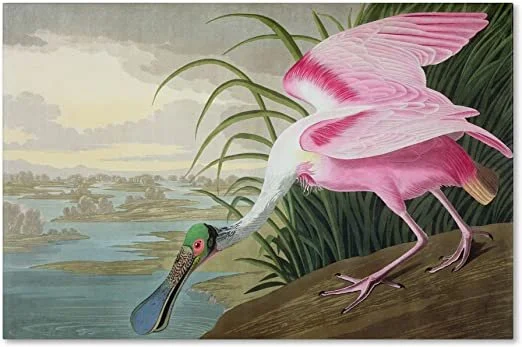
Roseate Spoonbill by John James Audubon from Birds of America.
Audubon was trained with famous Neo-Classicist Jacques-Louis David and used his skills to capture the and document the birds of America a scientific and artistic masterpiece. It remains one of the most important works on ornithology.
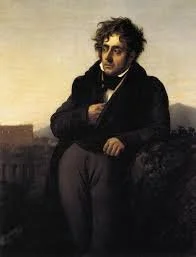
Chateaubriand, 1809 by Anne-Louis Girodet de Roussy-Trioson.
Chateaubriand was an important French historical figure and writer whose English chef would make him more famous than his exploits.