Portrait of Lady Helen Vincent, Viscountess of d'Abernon by John Singer Sargent, 1904, The Birmingham Museum of Art, AL
Another beautiful portrait by Sargent.

Your Custom Text Here
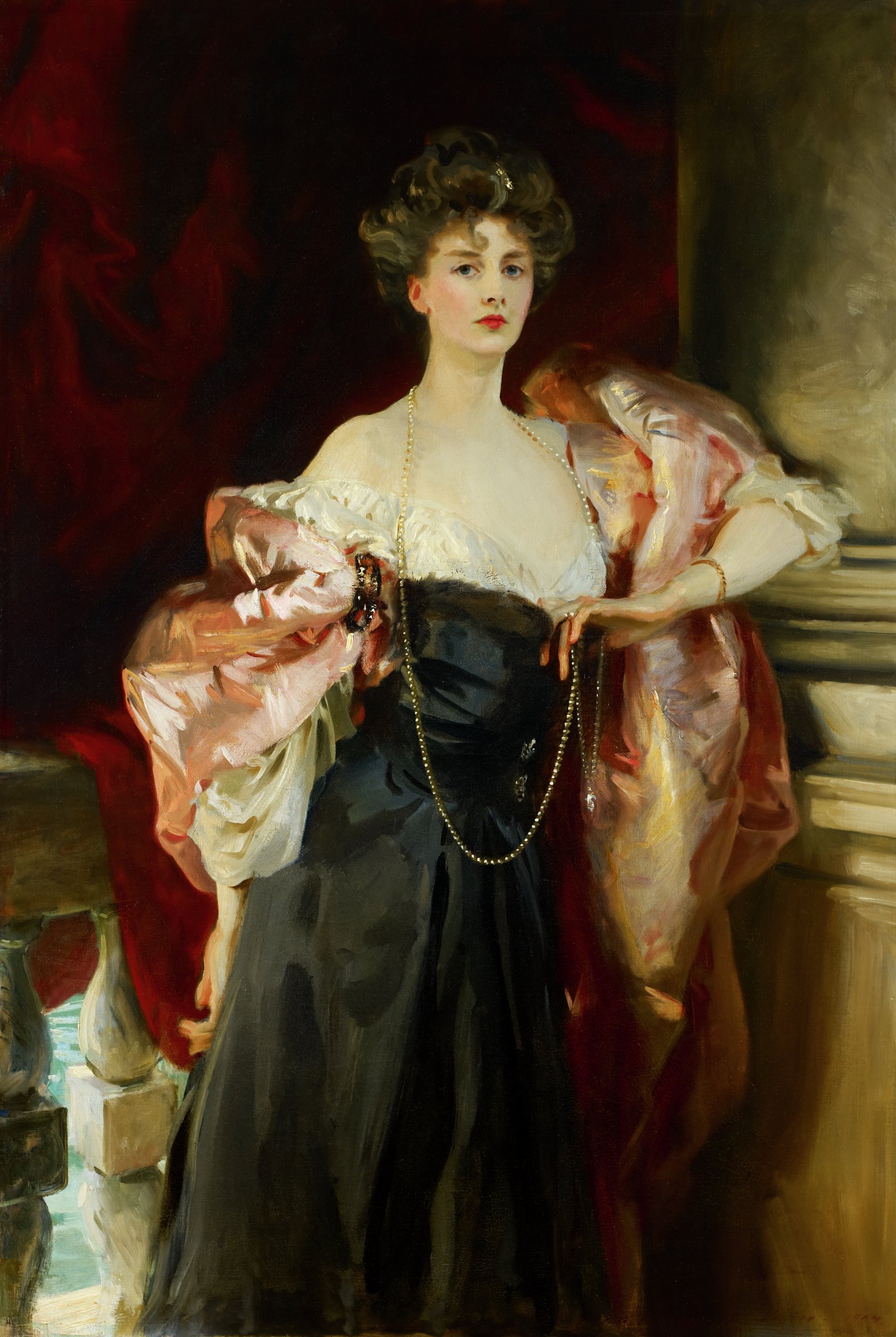
Portrait of Lady Helen Vincent, Viscountess of d'Abernon by John Singer Sargent, 1904, The Birmingham Museum of Art, AL
Another beautiful portrait by Sargent.
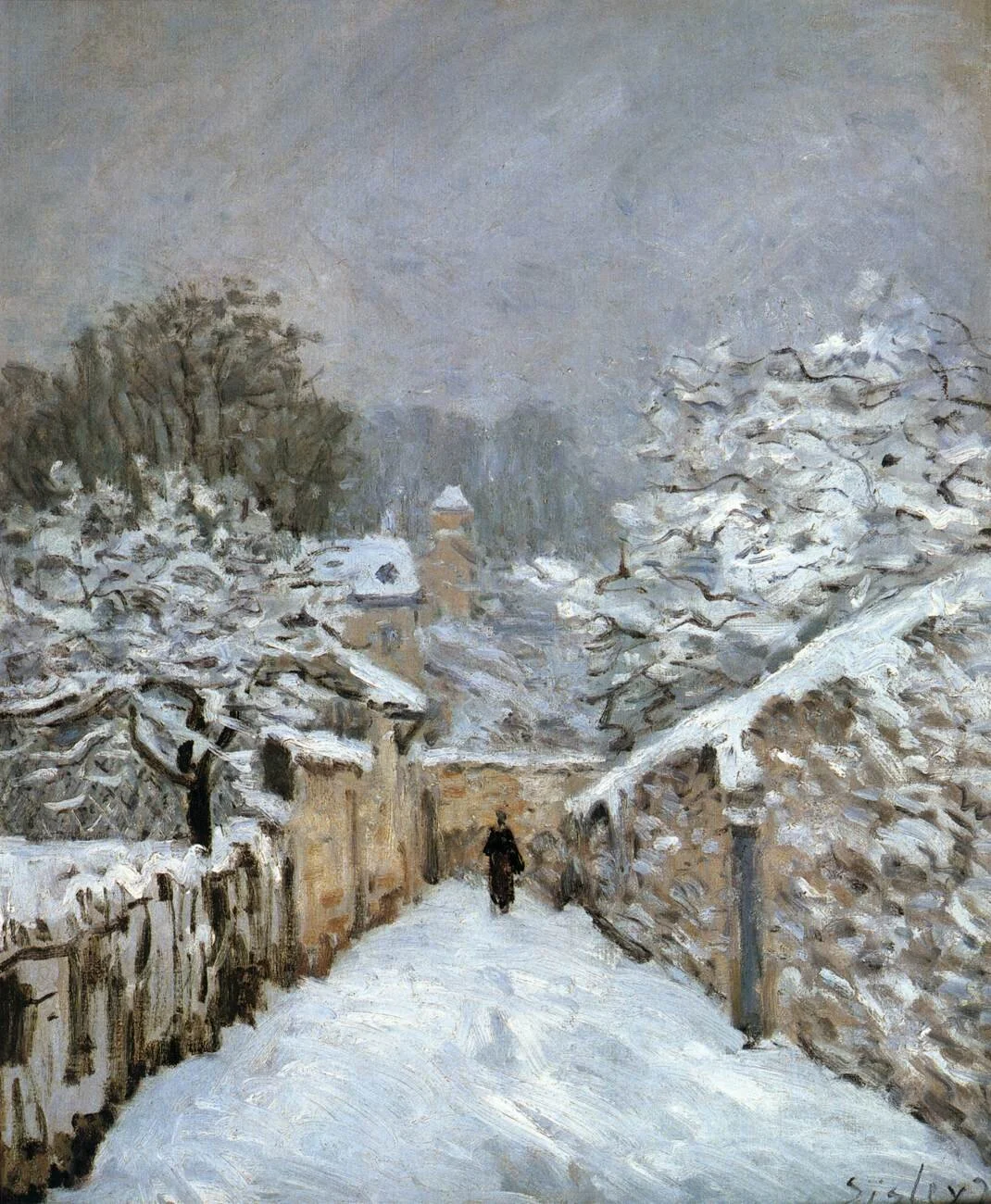
Snow at Louveciennes, 1878 by Alfred Sisley, Musee d'Orsay, Paris.
Sisley was strongly influenced by Monet and also tried to capture light against the landscape.

Little Yellow Horses, 1912 by Franz Marc.
Der Blaue Reiter (the blue rider) was a group of Expressionist artists, most famously Marc and Kandinsky who chose the name because Marc liked horses, Kandinsky liked riders and they both liked blue.
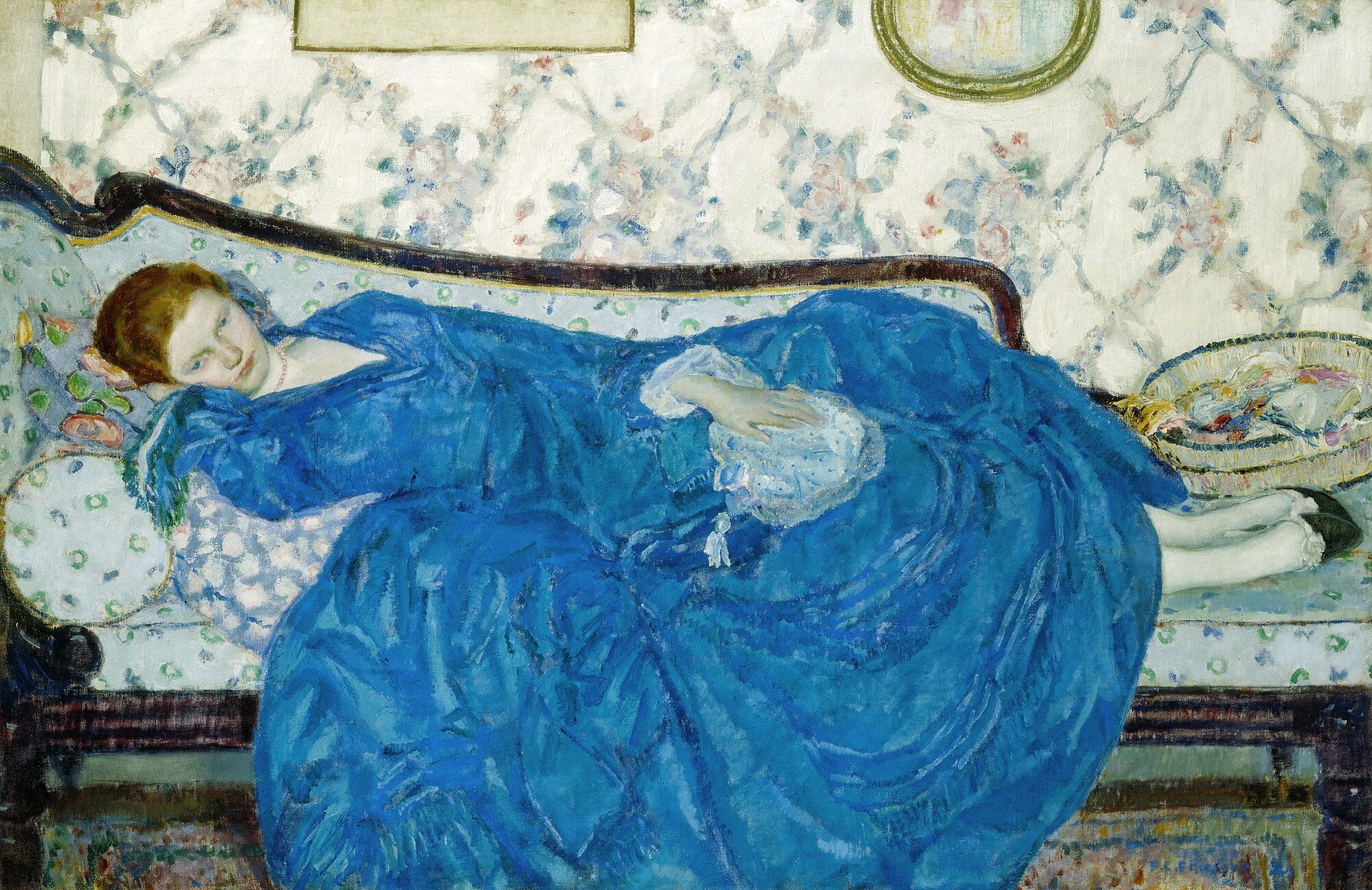
The Blue Gown, 1917 by Frederick Carl Frieseke, The Detroit Institute of Arts.
An American Impressionist painter who studied with the Europeans. Frieseke's work is full of color and light. What are your thoughts? I think she is all ready for a date that did not show.
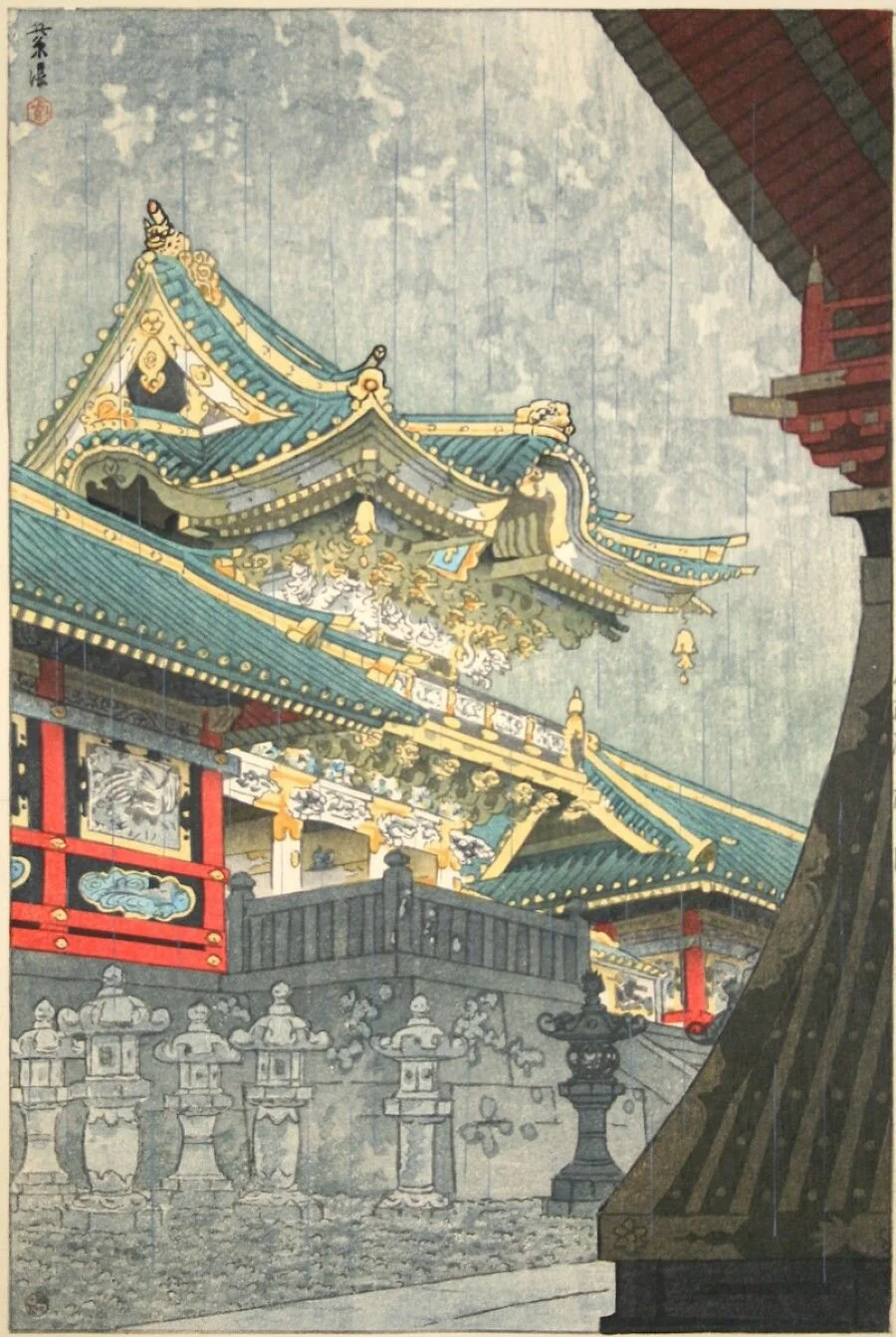
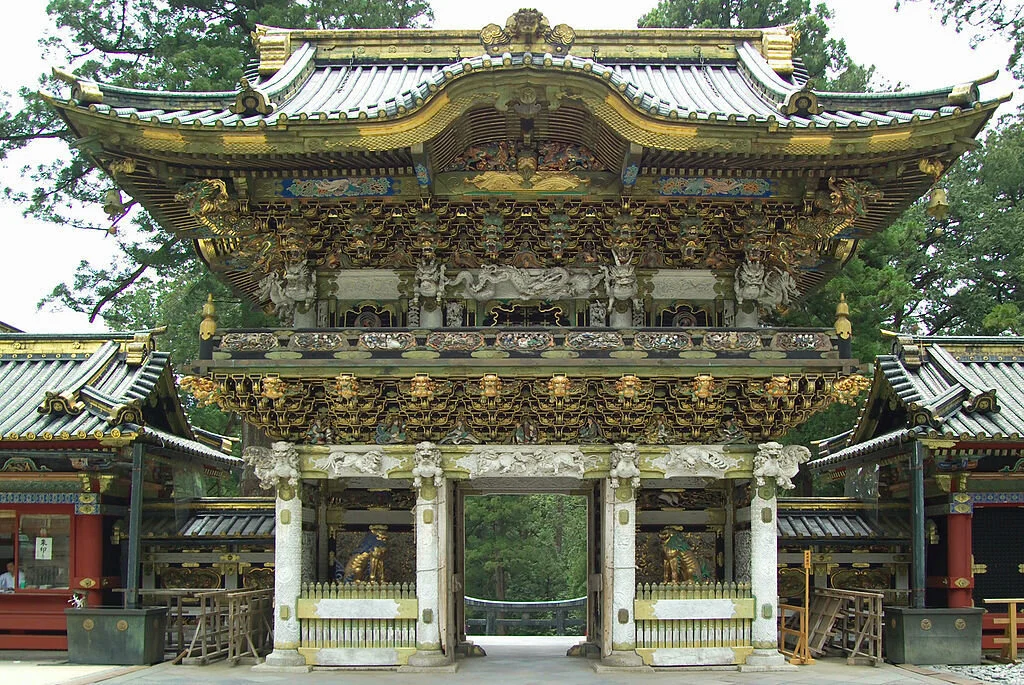
Yomeimon Gate by Hasui Kawase. The gate is from the early 17th century.
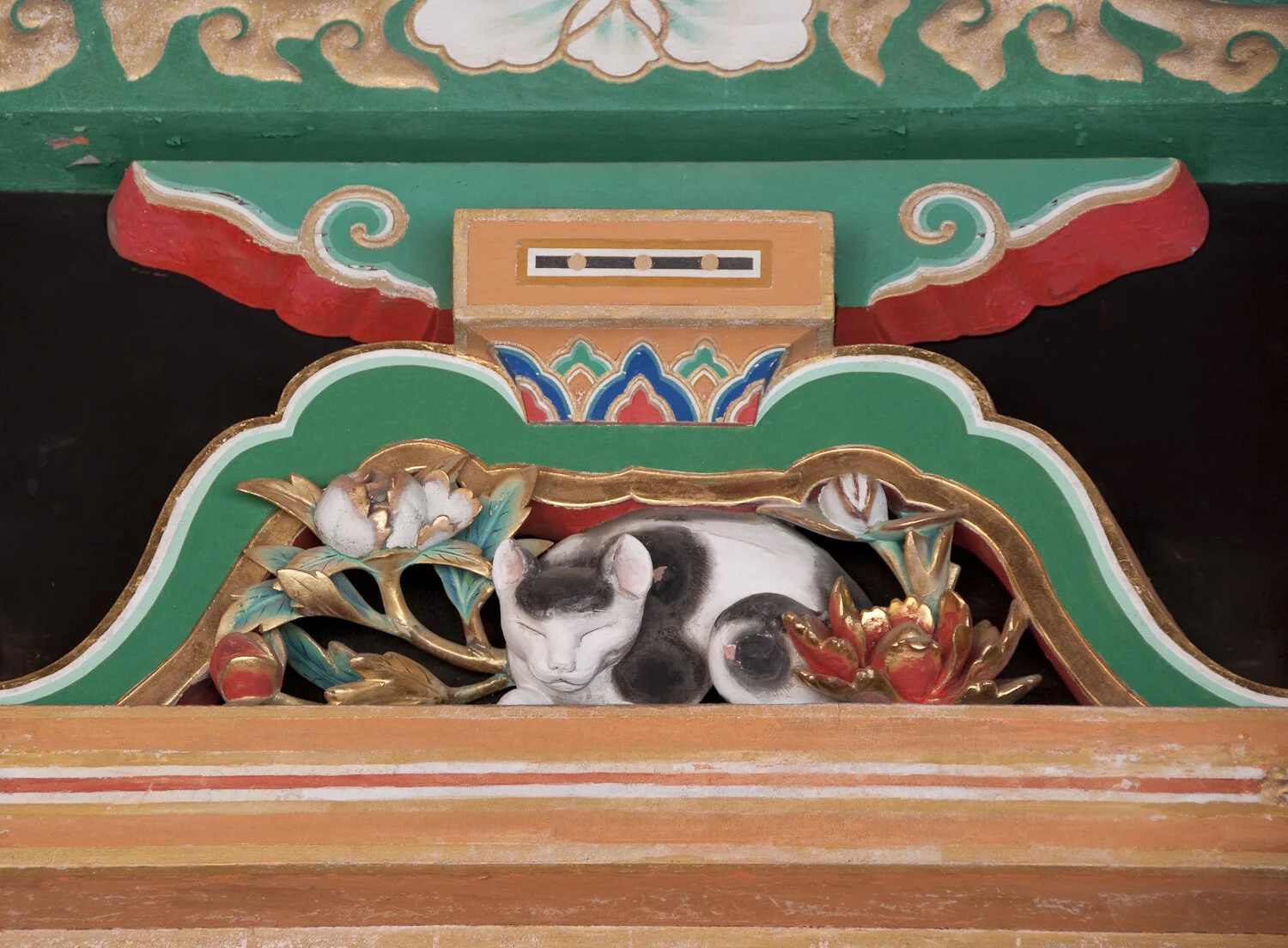
Yomeimon Gate is a a very famous site in Japan at Nikko. It is considered one of Japan's most beautiful buildings. The gate has over 500 carvings and to look at them all can fill the better part of a day. The gate is part of the Toshogu Shrine, which also houses a famous sculpture of a sleeping cat.
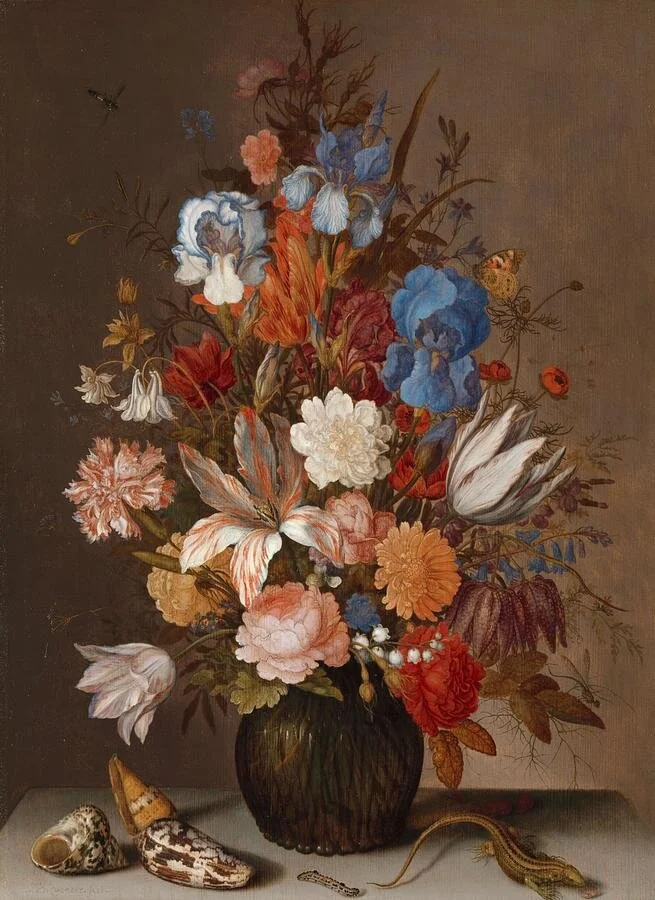
Still Life (date unknown) by Balthasar van der Ast (c.1593-1656).
The Dutch still life painters concentrated on getting their work to look as close to the real thing as they possibly could. Their backgrounds are often dark and plain in order to feature the objects they are painting.
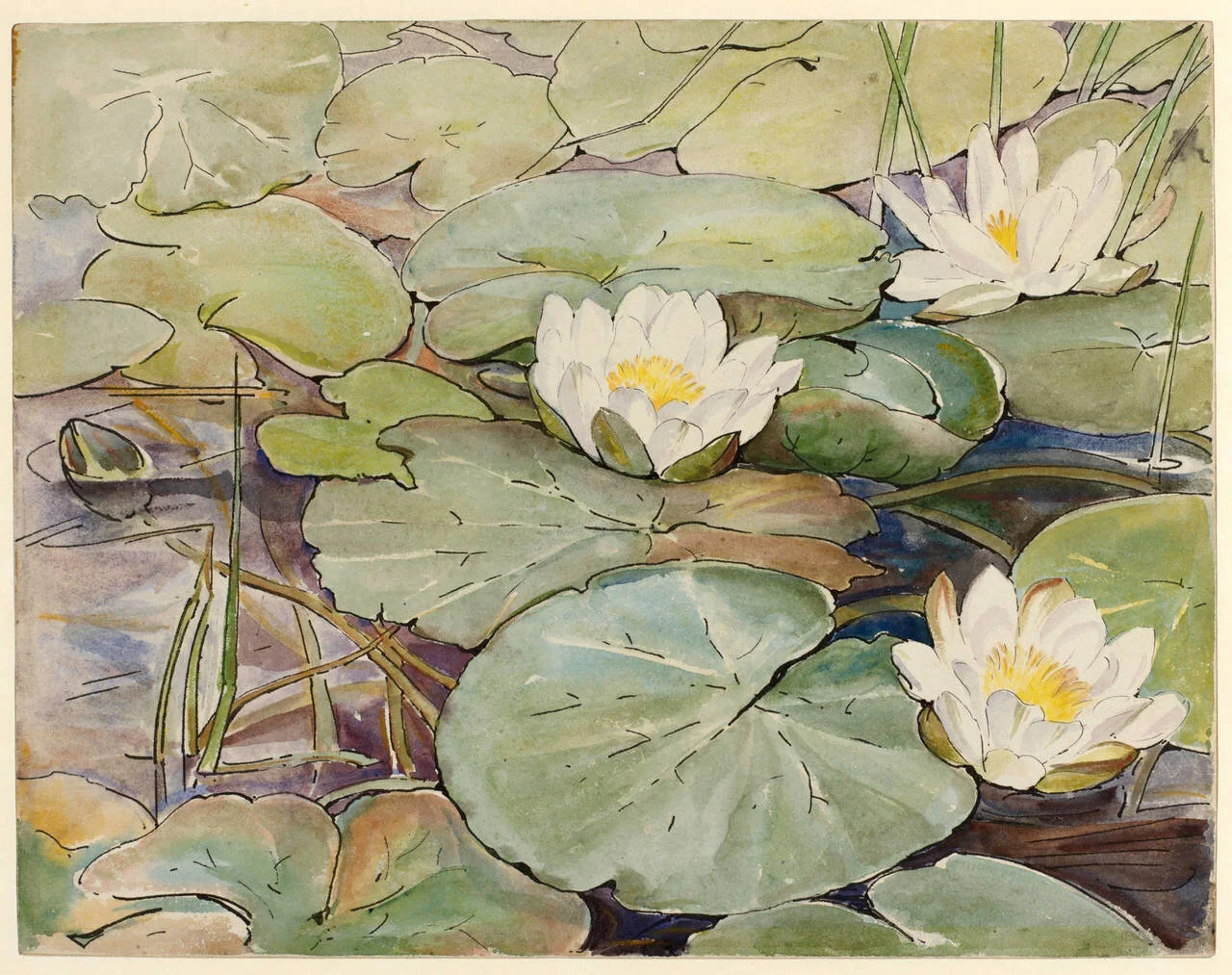
Waterlilies, 1903 by Beatrix Potter, ©Beatrix Potter Trust, U.K.
Most people have heard of Peter Rabbit and Tom Kitten and their creator Beatrix Potter, but they are not as aware of her botanical studies of nature and her accomplished watercolor paintings.
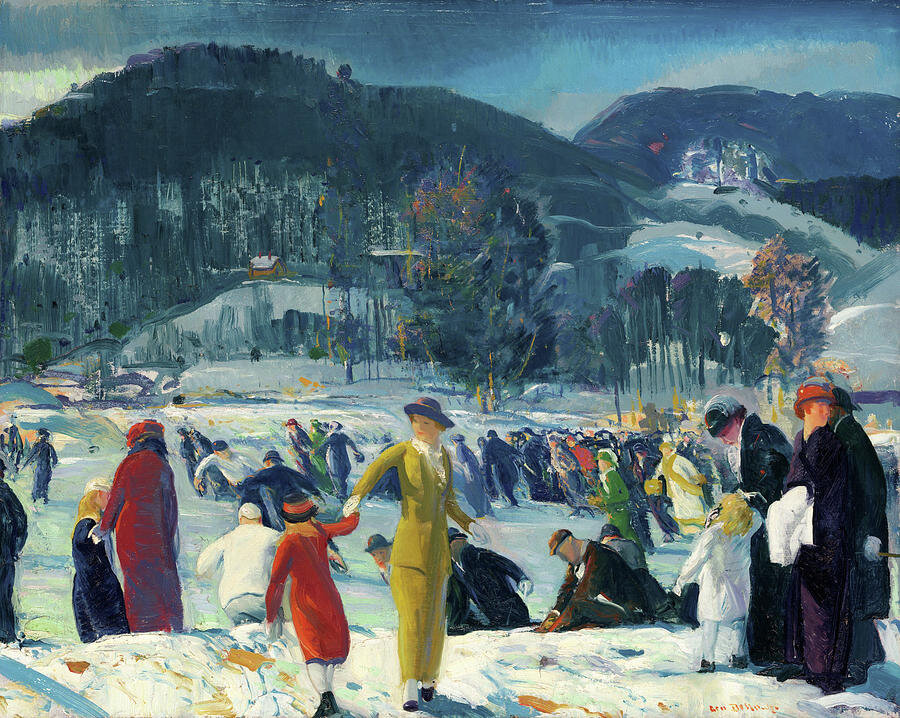
Love of Winter, 1914 by George Wesley Bellows, The Art Institute of Chicago.
A member of the Ashcan School and student of Robert Henri, Bellows began studying art at Ohio State.
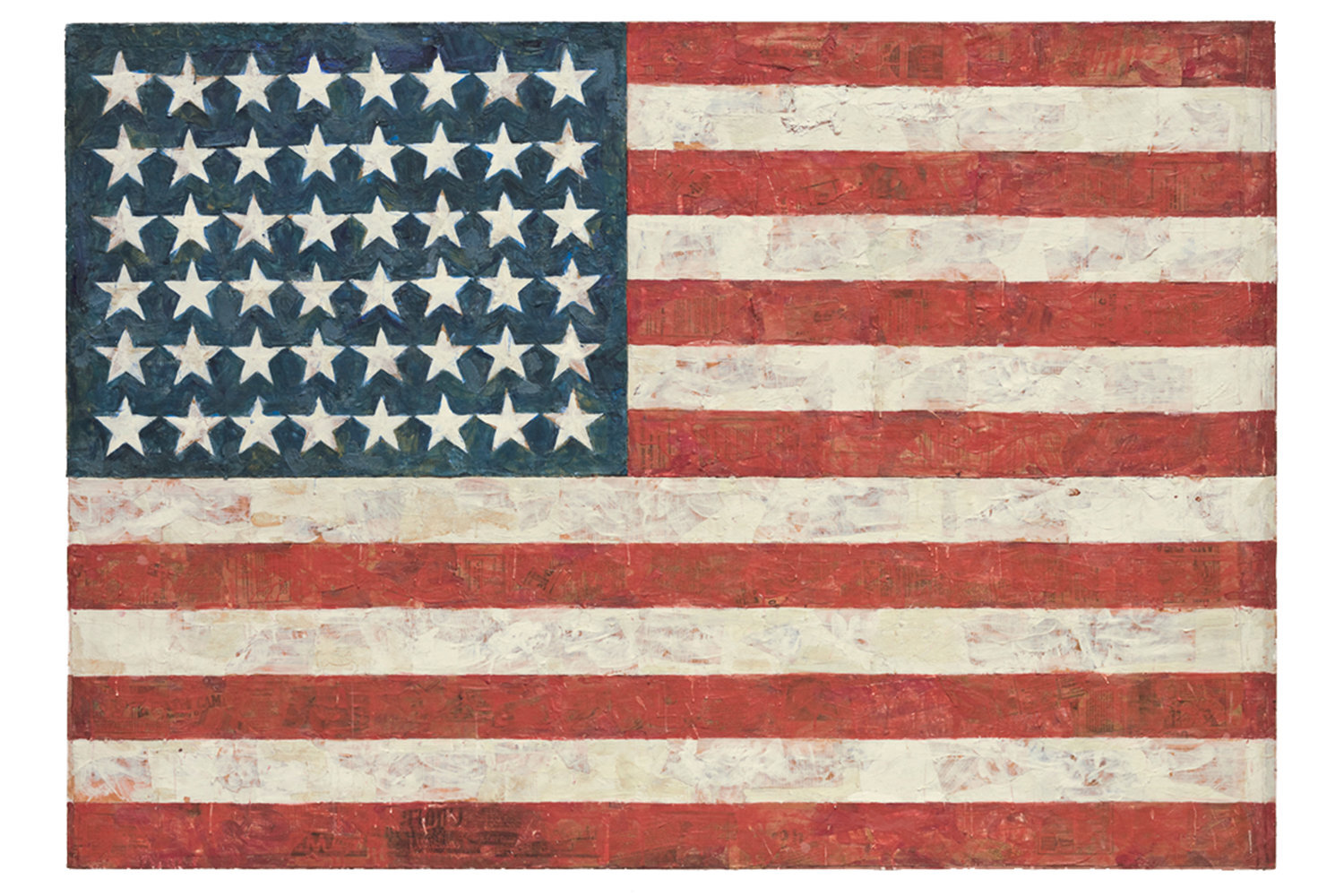
Flag, 1954-55 by Jasper Johns, The Museum of Modern Art, New York /VAGA.
Johns representative artwork was a contrast to the work of the Abstract Expressionists before him. His re-worked images of everyday objects led the way for Pop Art.
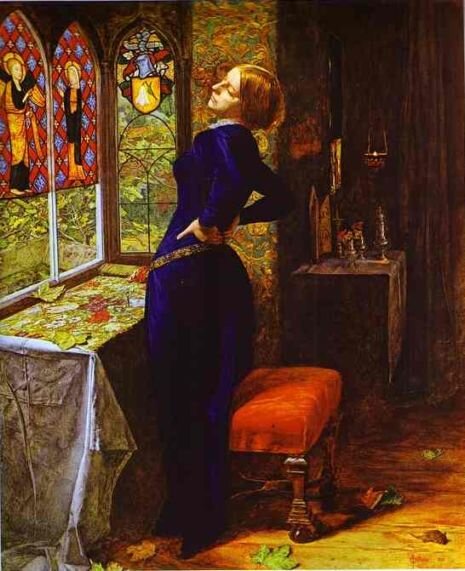
Mariana by John Everett Millais, Private Collection.
Mariana is the main character in a poem by Tennyson that deals with a woman "trapped" in her life. She is surrounded in a perfect Victorian setting by the dictates of the Arts & Crafts movement. The movement was a reaction to the increased industrialization of the world and sought to emulate a time when everything was created by hand.
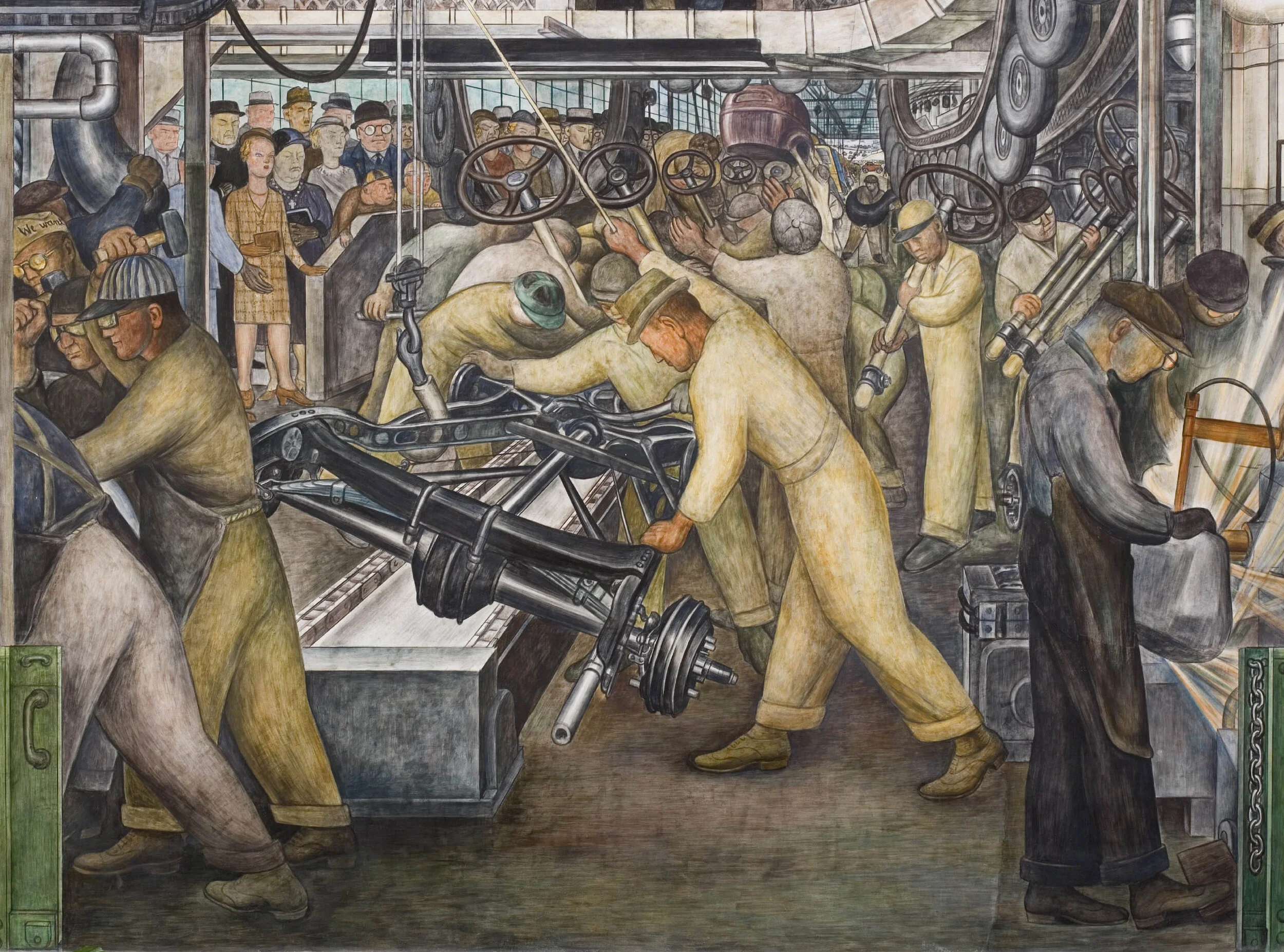
Detroit Industry, South Wall detail, 1932-33 by Diego Rivera, The Detroit Institute of Arts.
Rivera was at the height of his popularity when he was commissioned to create two large murals representing the auto industry. As a follower of Trotsky, Rivera took the opportunity to celebrate all workers and their important contribution to American Industry.
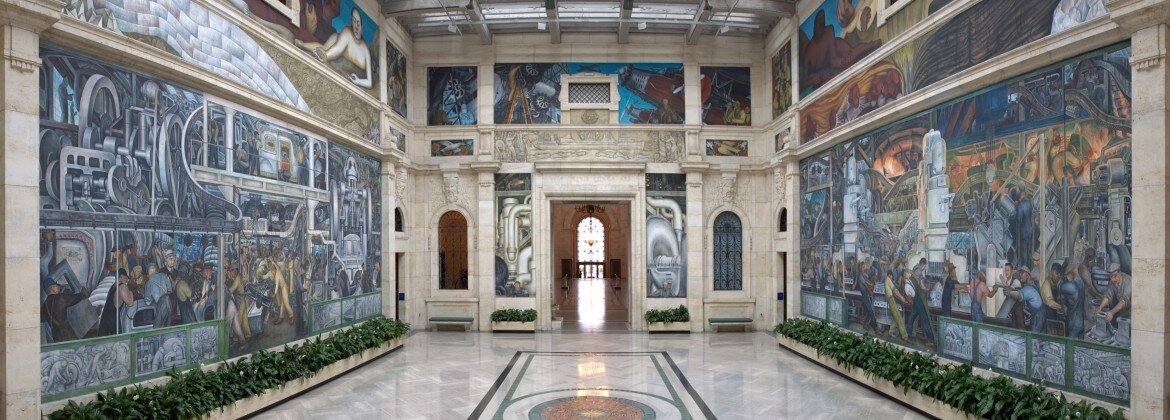
Detroit Institute of Arts Rivera Court

The Strawberry Thief by Morris & Co., 1883 drawn by Philip Webb.
As William Morris and his family tried to grow strawberries at their home, Kelmscott, thrushes would climb under the barriers they erected and steal the strawberries.
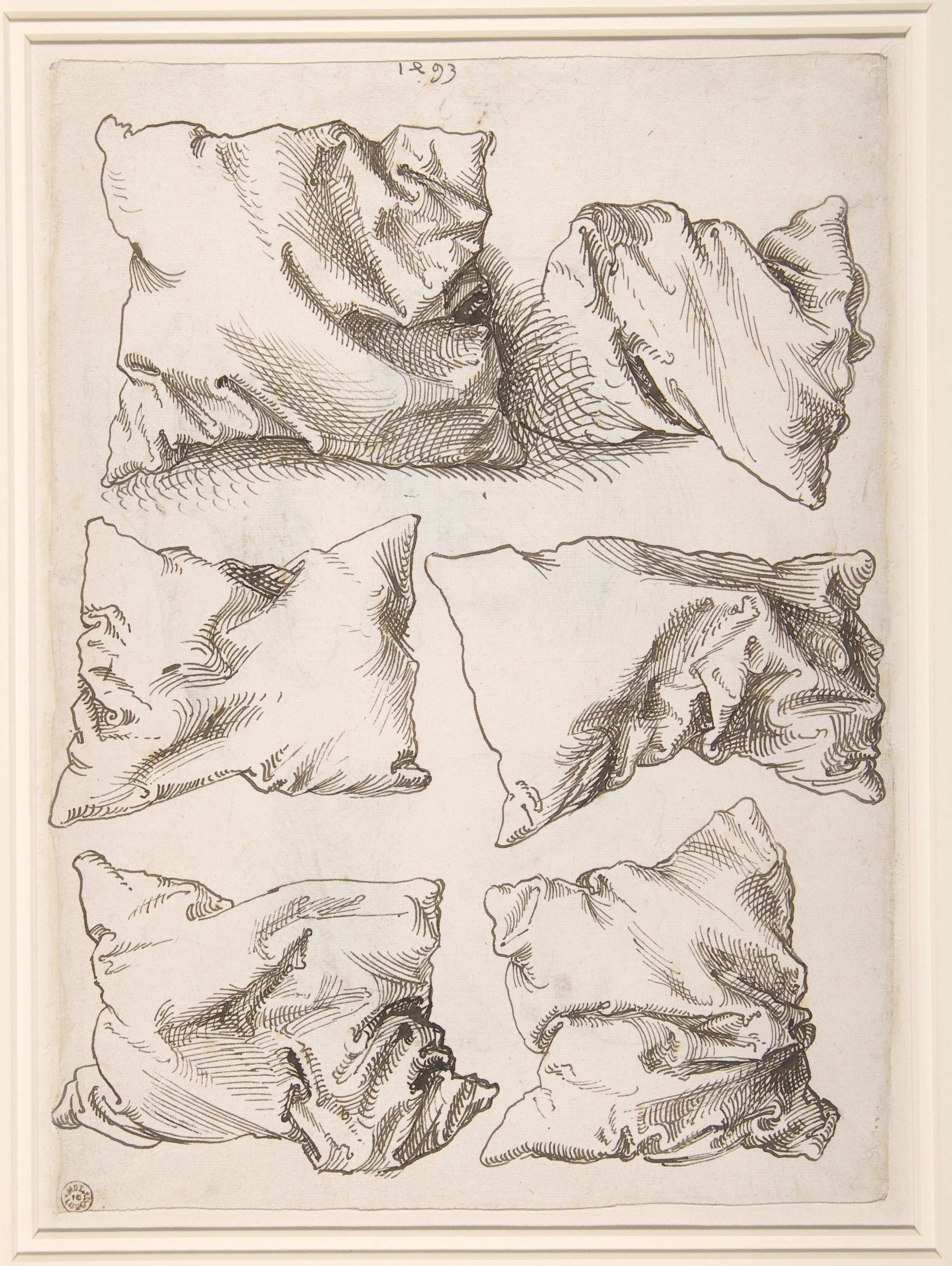
Sechs Kissen (Six Pillows), 1493 by Albrecht Dürer, The Metropolitan Museum of Art.
Dürer created this drawing as a study of shading by using cross-hatching, but it is also a study in drawing drapery.
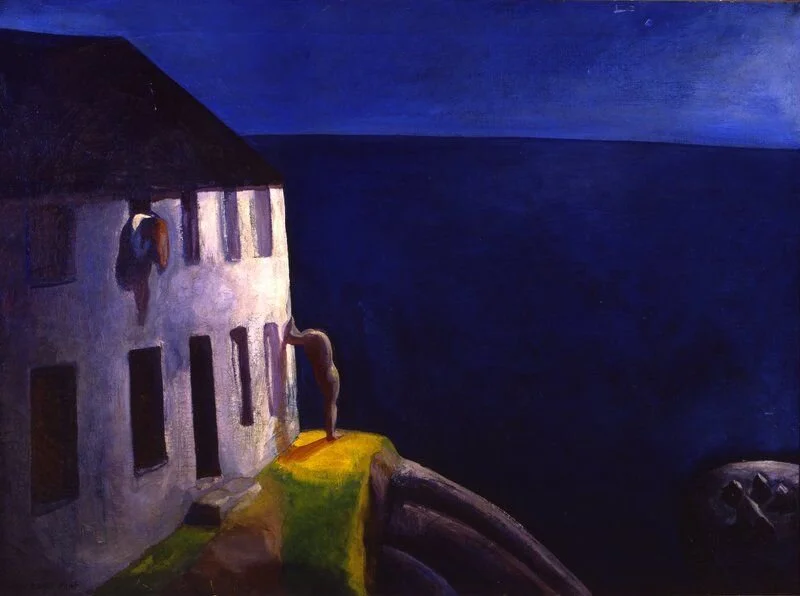
House of Dread, Newfoundland, 1915 by Rockwell Kent, Plattsburgh State University of New York.
"Upon a bleak and lofty cliff's edge, land's end, stands a house; against its corner and facing seawards leans a man, naked even as the land, and sea, and house; his head is bowed as though in utter dejection; and from an upper window leans a weeping woman. It is our cliff, our sea, our house stripped bare and stark, its loneliness intensified. It is ourselves in Newfoundland, our hidden but prevailing misery revealed." p. 290,
Its Me O Lord by Rockwell Kent
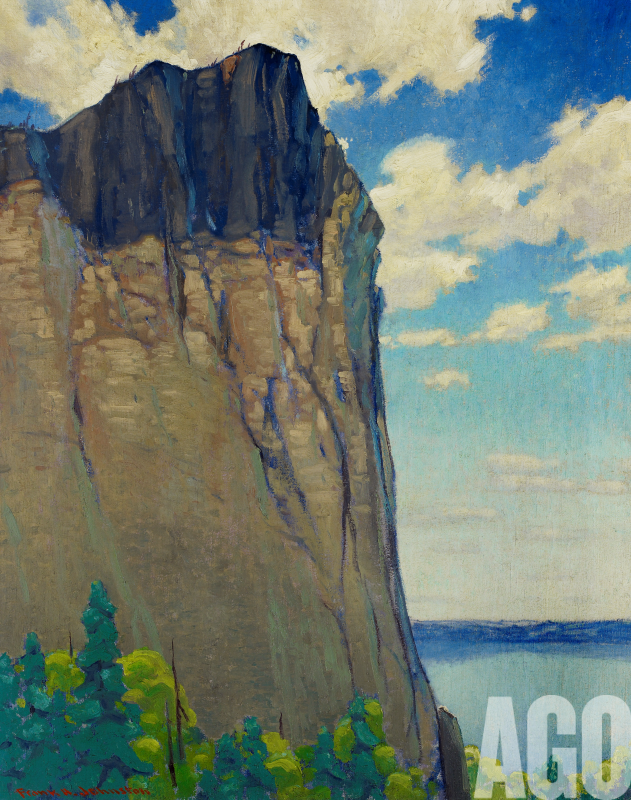
Where the Eagles Soar (date unknown) by Franz Johnston, Art Gallery of Ontario.
Also known as "Frank" Johnston, he was a member of The Group of Seven but loosely associated after he moved to the United States in 1910. His work concentrates on the wilderness around Northwest Ontario. Plein Air
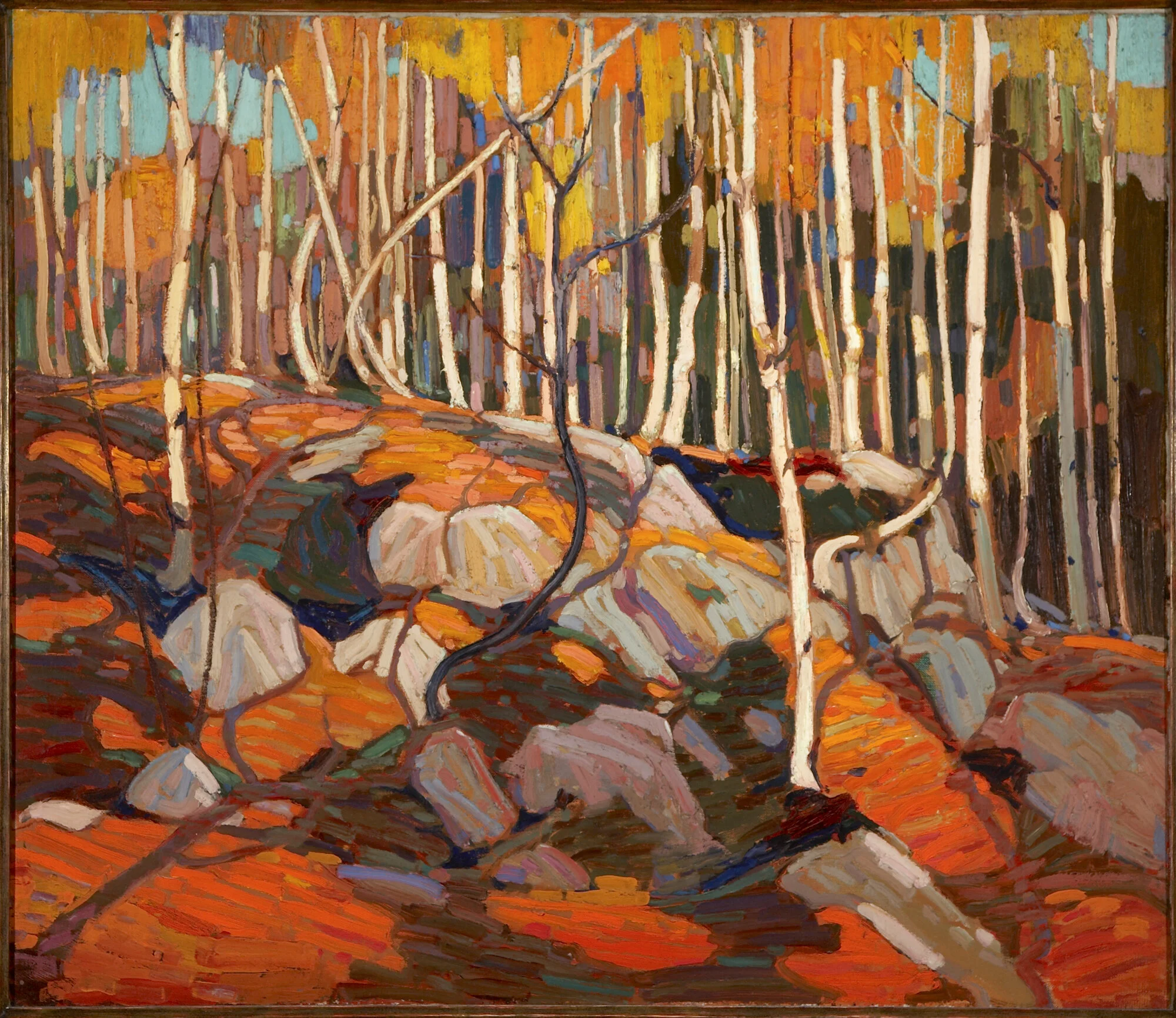
The Birch Grove, 1915-16 by Tom Thomson.
A unofficial member of the Group of Seven artists but only because he passed away before the group was established. He was an avid outdoors man whose work reflects his love of nature.
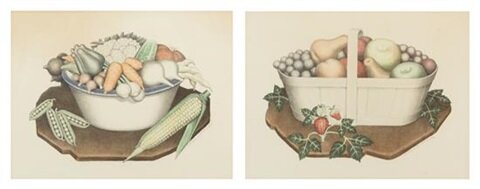
Fruits and Vegetables, 1938 by Grant Wood.
Another publication from Associated American Artists. Wood hired his sister Nan and her husband to hand-tint the flower and fruits watercolors.
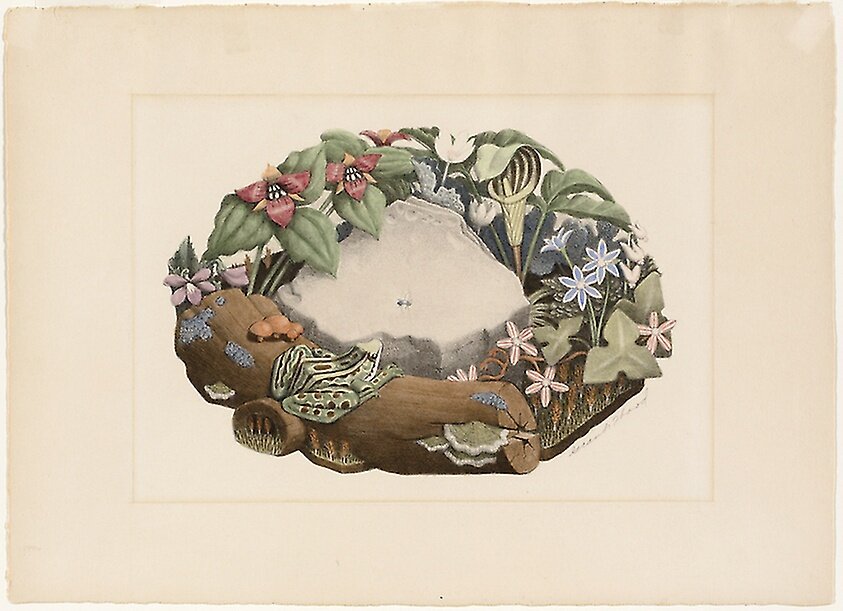
Wild Flowers, 1938 by Grant Wood, Assorted collections.
During the Depression many artists were not able to make a living so two New York Art Dealers commissioned working artists such as Wood to do a series of lithographs that they sold in the back of magazines for $5-$10 each. Today some of them go for around $10,000.
The colored images were done in watercolor by Wood’s sister Nan who was also the model for the daughter in American Gothic.
If only I could travel back in time....
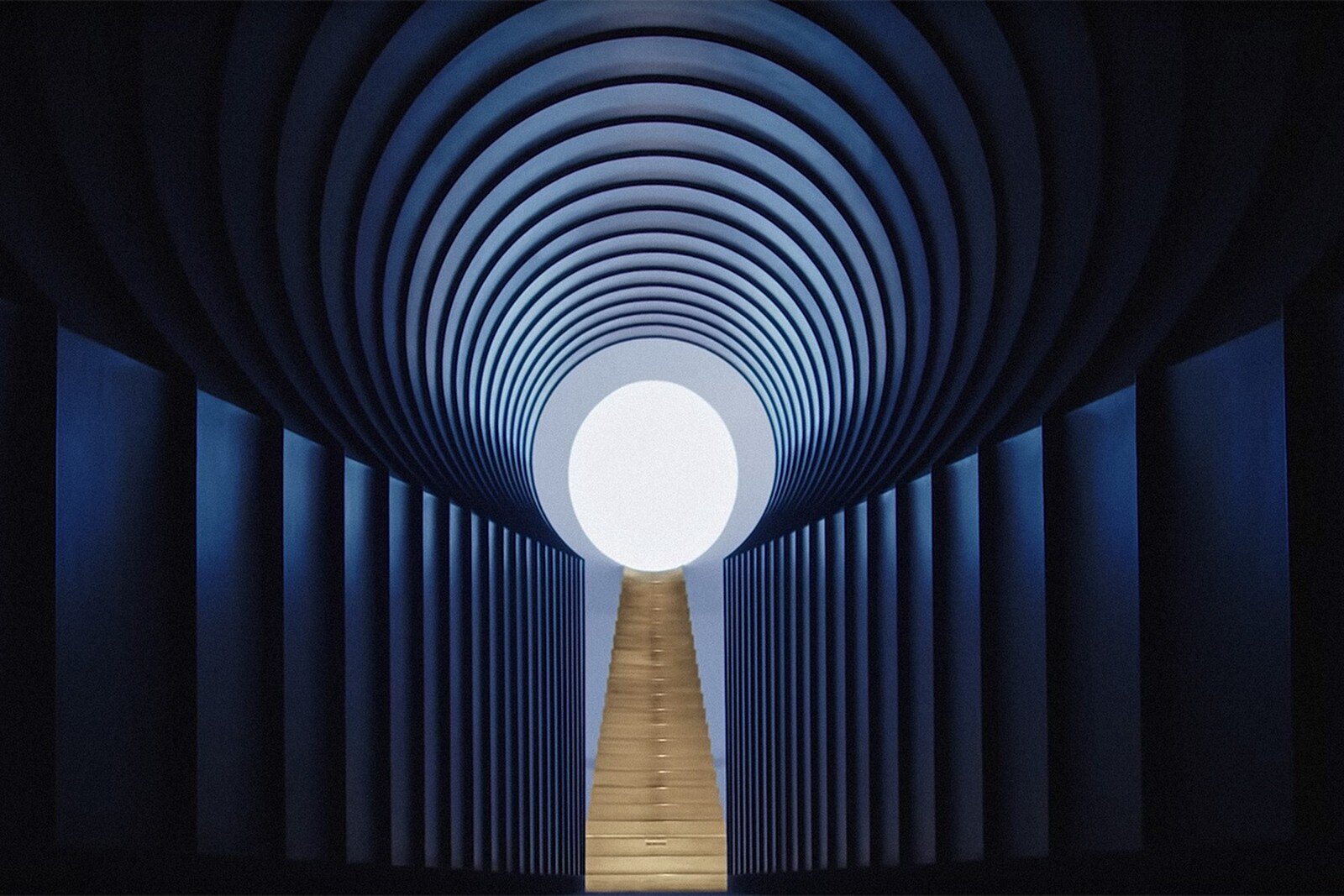
Roden Crater by James Turrell, under construction.
Kanye West has brought a lot of attention to light and space artist James Turrell whom he worked with and filmed Jesus is King at Turrell’s Roden Crater in Arizona. Roden Crater is expected to open to the public in 2024.
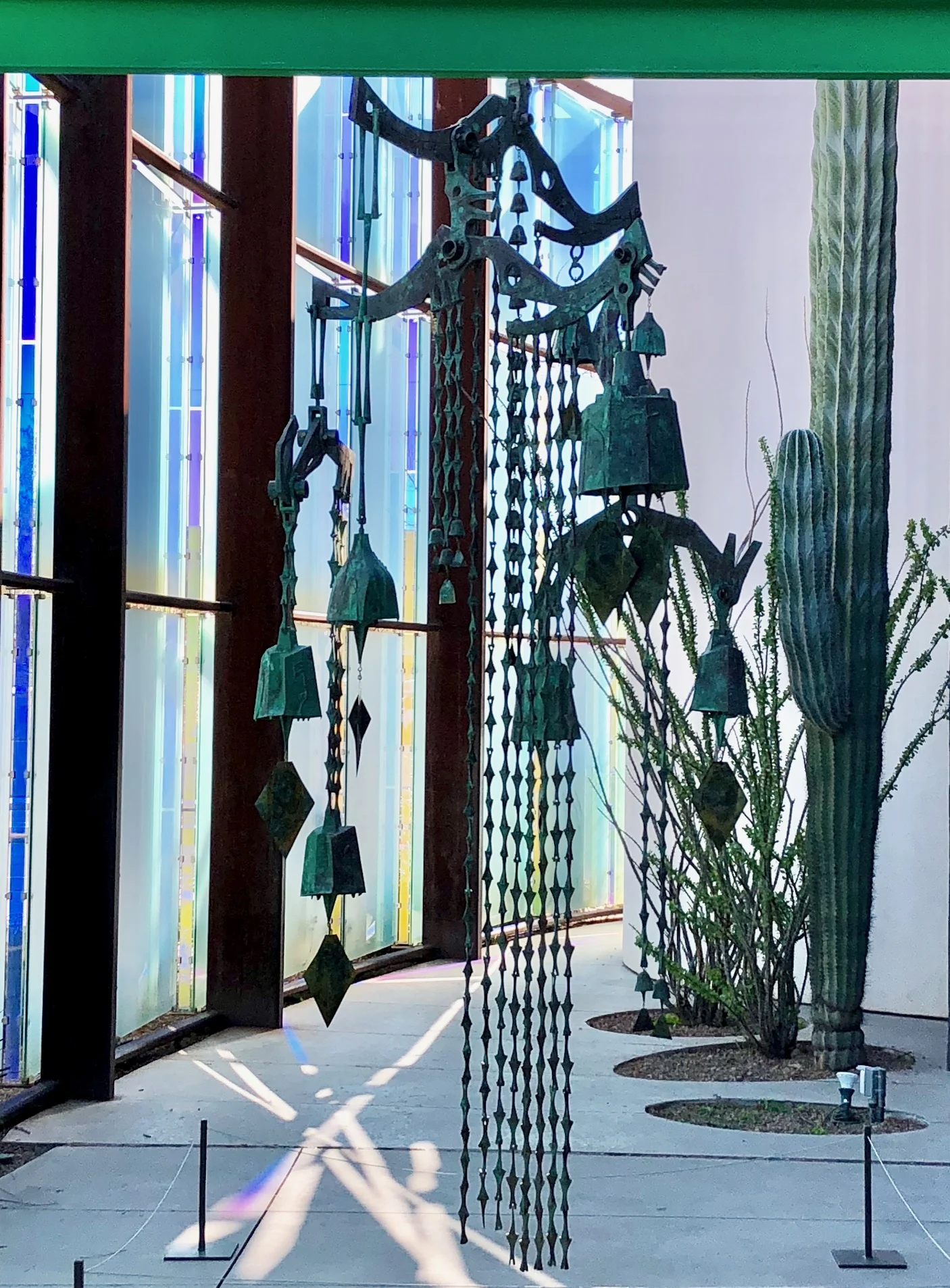
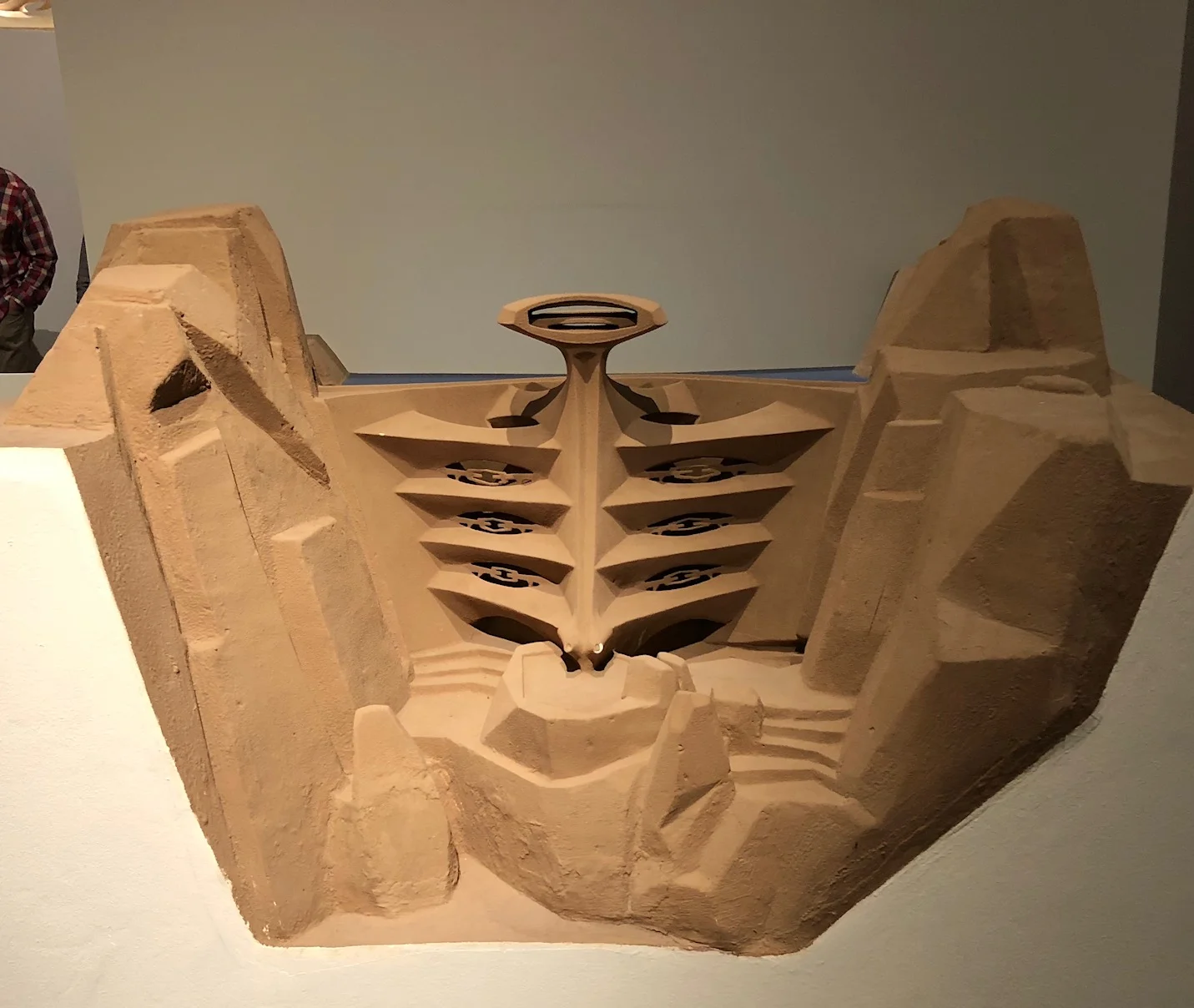
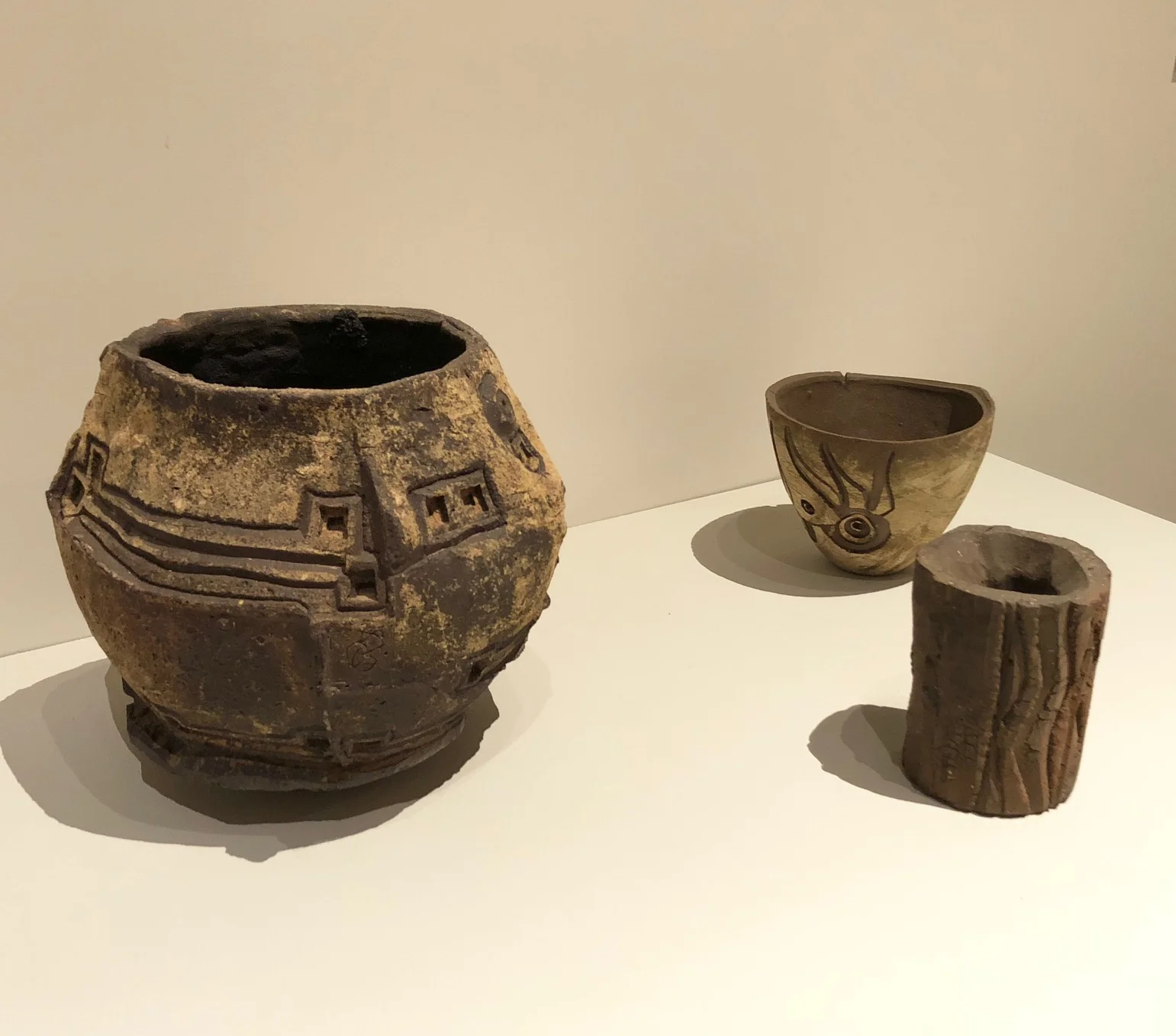
Artist/architect Paolo Soleri studied at Frank Lloyd Wright's Taliesin West and with the famous architect himself, although Soleri's designs took on a more amorphic and almost insect-like look about them. The photos were taken by me at a retrospective of the artist at The Scottsdale Museum of Contemporary Art in 2018.
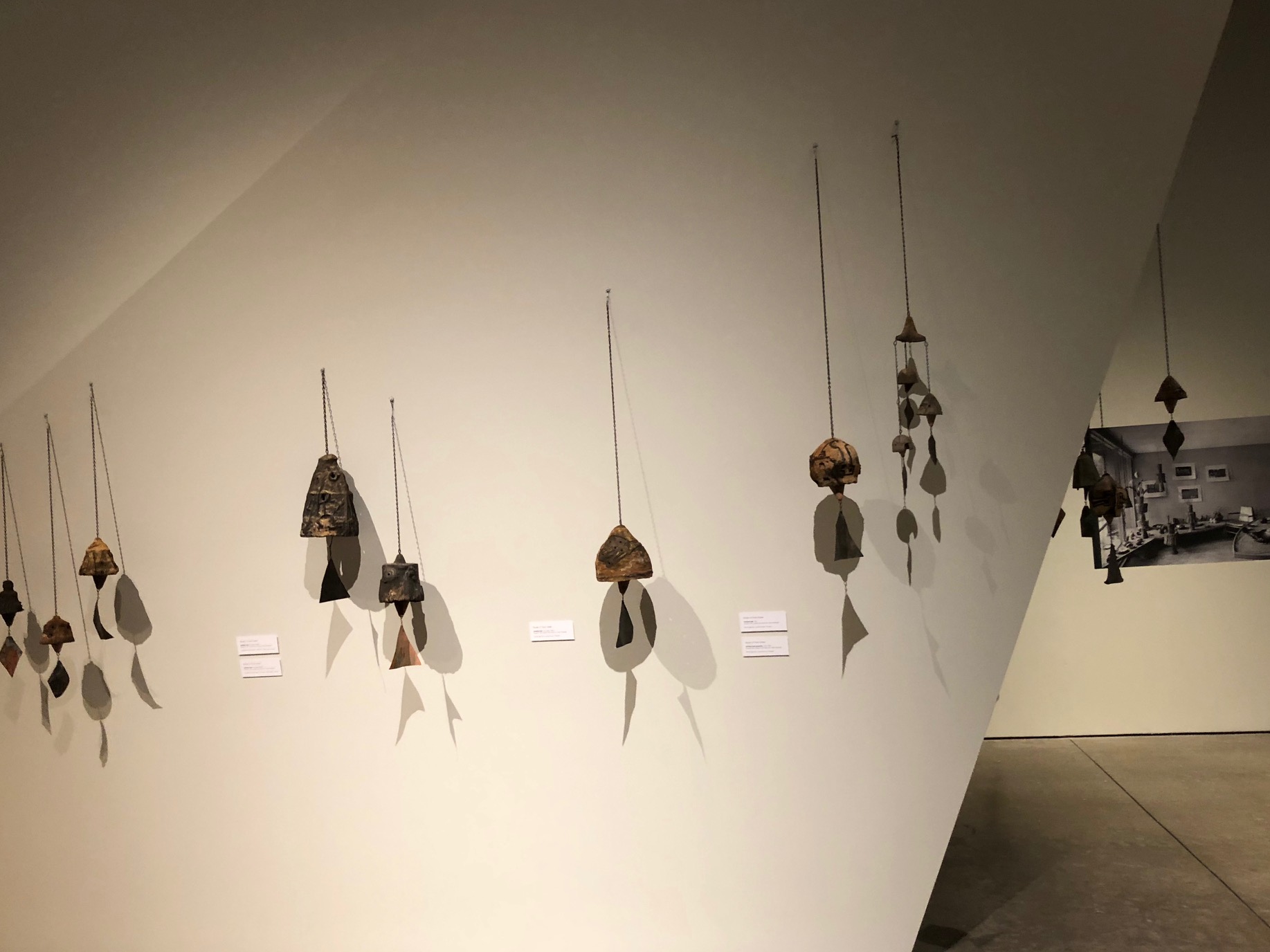
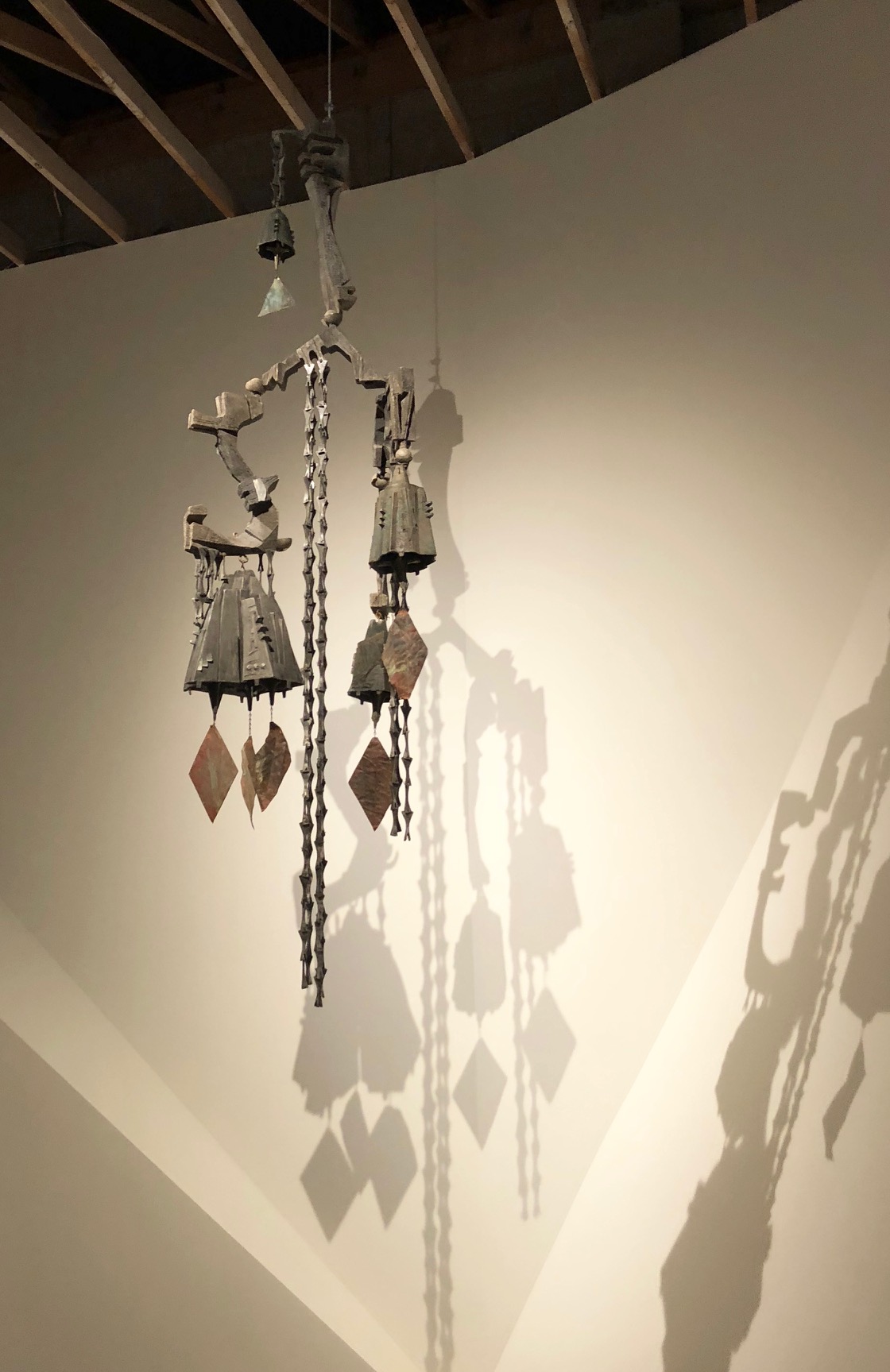
Soleri and his students started making bronze bells as a source of income and an artistic outlet. The bells can still be purchased at Cosanti.
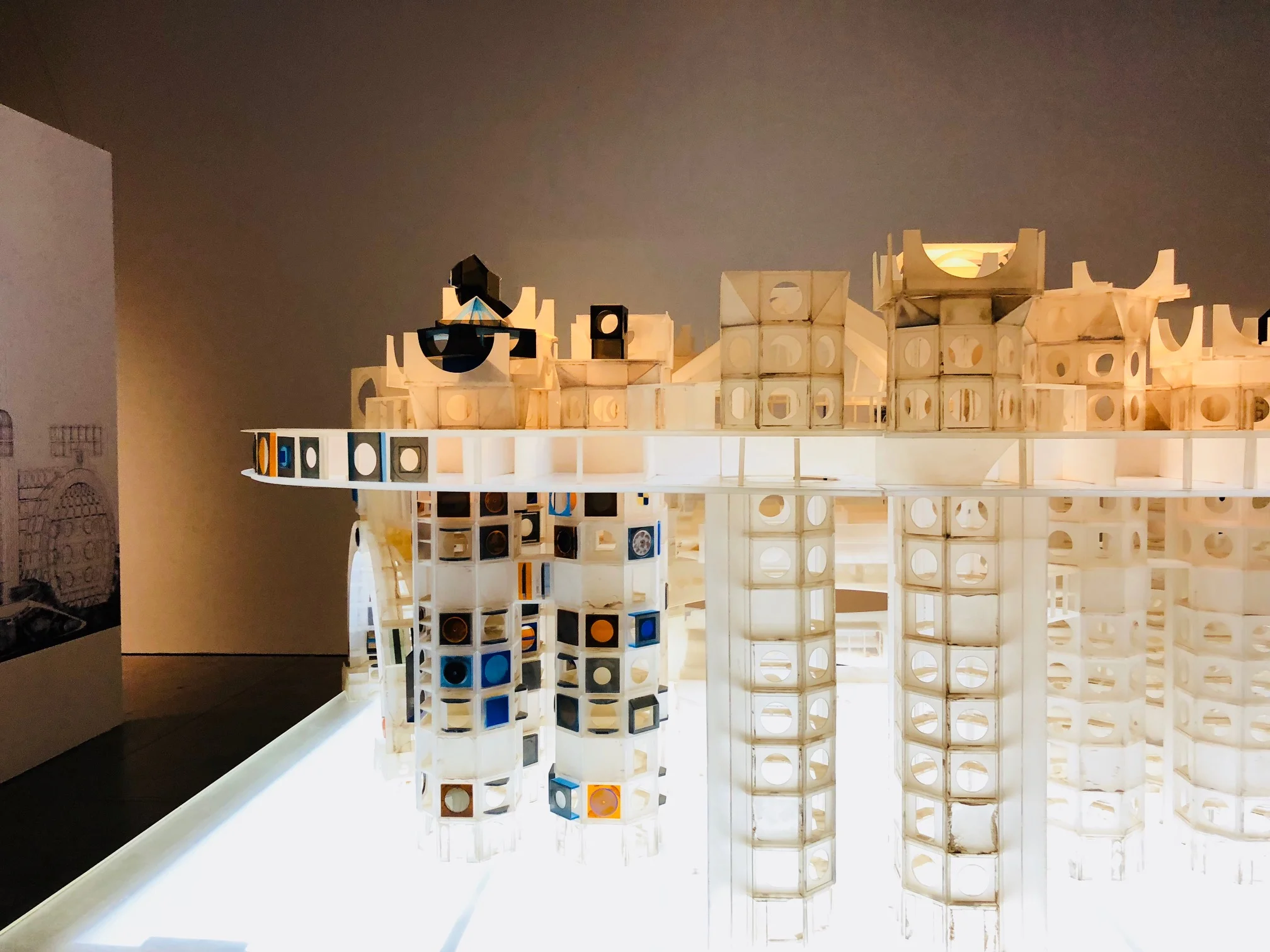
Architectural model for Arcosanti, Mayer, AZ